









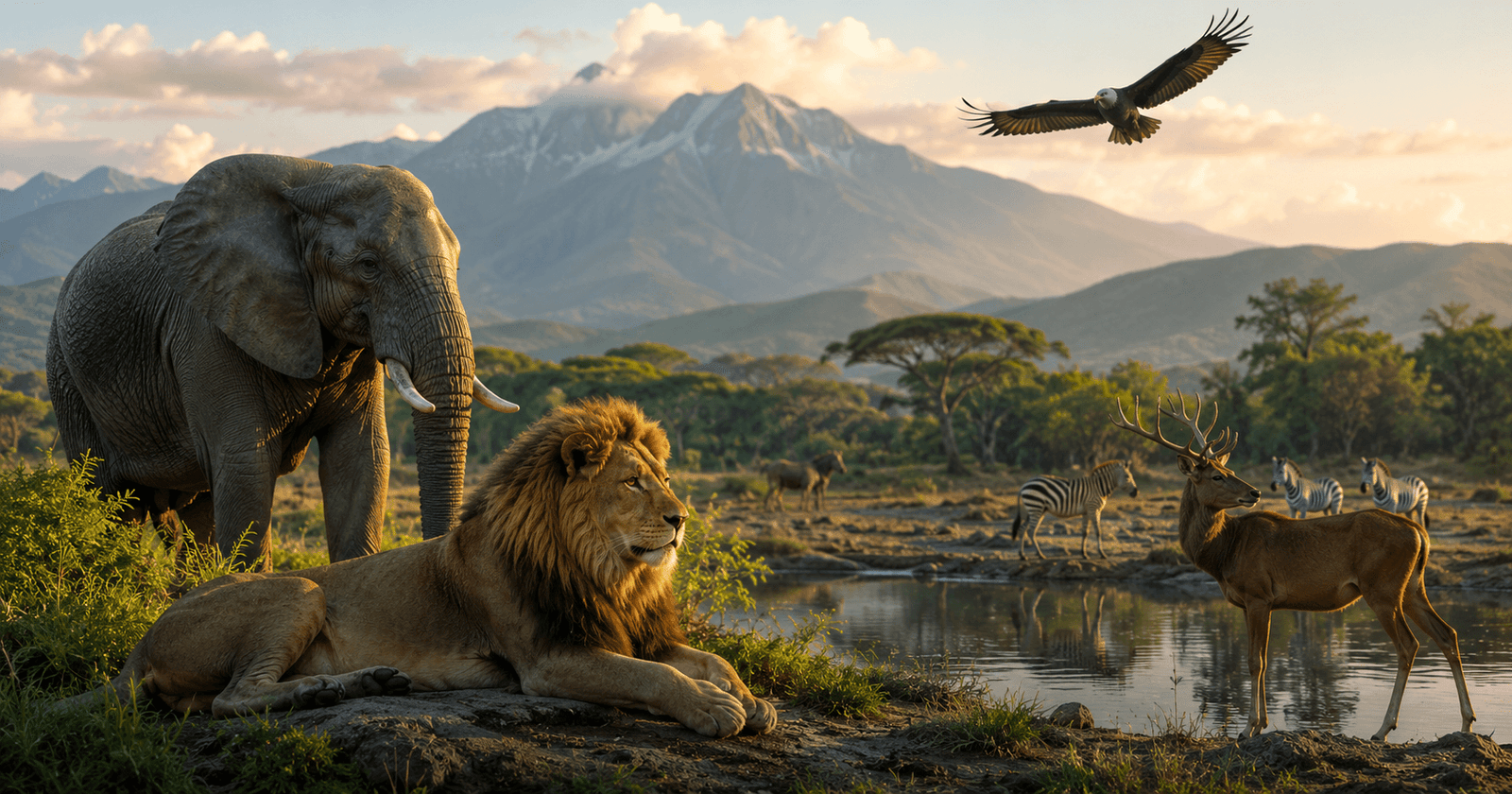
Coverage of animal science spans everything from newly discovered species to research on animal behavior and large-scale conservation efforts. Understanding how this research connects to broader ecosystem health helps readers appreciate why wildlife coverage matters beyond simple curiosity about the natural world.
Discovering New Species
Scientists continue to identify new species across the globe, from remote rainforests to deep ocean environments that remain relatively unexplored. Coverage of these discoveries often highlights not just the novelty of a new species, but what its existence reveals about the broader biodiversity and ecological complexity of the environment where it was found.
Animal Behavior Research
Research into animal behavior, including communication, social structures, and problem-solving abilities, continues to reveal surprising insights into non-human cognition and social organization. This research often challenges previous assumptions about the boundaries between human and animal intelligence, generating significant public interest alongside its scientific value.
Conservation Efforts and Endangered Species
Conservation coverage tracks efforts to protect threatened and endangered species, including habitat preservation, breeding programs, and policy measures aimed at preventing extinction. This coverage often illustrates the connection between individual species survival and broader ecosystem health, since the loss of a single species can have ripple effects throughout an entire habitat.
Migration Patterns and Environmental Change
Researchers track how migration patterns and species ranges shift in response to changing environmental conditions, offering important data points for understanding broader ecological trends. This research often intersects with climate science coverage, since shifting animal behavior can serve as an indicator of broader environmental changes affecting a given region.
Why Animal Science Coverage Matters
Beyond its intrinsic scientific interest, wildlife research provides important context for understanding the broader health of ecosystems that humans ultimately depend on, from pollination systems to fisheries. Coverage of animal science, therefore, often connects seemingly narrow research findings to larger questions about environmental stewardship and long-term ecological sustainability.
Frequently Asked Questions
Why are new species still being discovered?
Many remote or difficult-to-access environments, such as deep oceans and dense rainforests, remain relatively unexplored, meaning new species continue to be identified through ongoing scientific expeditions.
Why does animal behavior research matter beyond general curiosity?
Understanding animal cognition and social behavior offers broader insight into biology and can inform conservation strategies by revealing how species interact with their environments.
How does losing one species affect an entire ecosystem?
Species often play interconnected roles within an ecosystem, so the loss of one can disrupt food chains, pollination, or other ecological processes that other species depend on.
Why do scientists study animal migration patterns?
Shifts in migration behavior can serve as an early indicator of broader environmental changes, providing valuable data for researchers studying ecological and climate trends.