








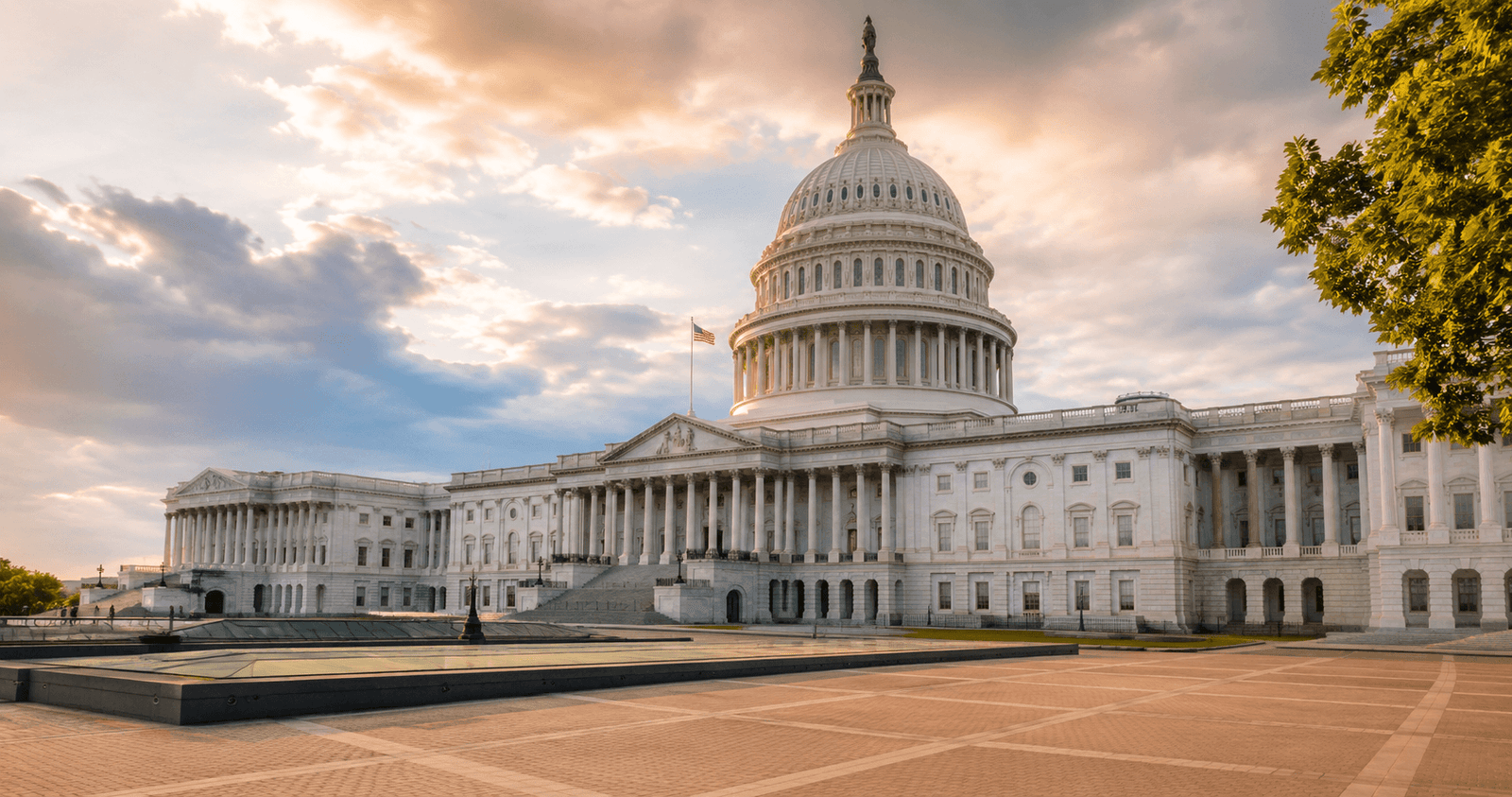
Congress is often the most difficult branch of government to follow, given its size, its complex procedures, and the sheer number of issues it handles at once. Breaking down how the House and Senate actually function makes congressional coverage far easier to understand.
Two Chambers, Two Sets of Rules
The House of Representatives and the Senate operate under different rules and represent constituents differently. House members represent districts based on population and serve two-year terms, meaning the entire chamber faces election every two years. Senators represent entire states, serve six-year terms, and have their elections staggered so only about a third of the Senate is up for election at any given time. These structural differences shape how each chamber approaches legislation and how quickly, or slowly, bills can move through each body.
How a Bill Actually Becomes Law
Legislation typically begins in committee, where lawmakers with subject-matter focus review, amend, and vote on whether to advance a bill to the full chamber. Both the House and Senate must pass identical versions of a bill before it can go to the president for a signature or veto. This process explains why major legislation often takes months or years to pass, since it requires alignment not just within each chamber, but between two bodies with different rules and political dynamics.
The Senate Filibuster and Supermajority Requirements
The Senate’s filibuster rule allows a minority of senators to block most legislation from reaching a final vote unless a supermajority agrees to end debate. This rule significantly shapes how legislation is written and negotiated, since many bills need broader bipartisan support in the Senate than would otherwise be required by a simple majority vote, making the chamber a frequent bottleneck for major legislative initiatives.
Committees: Where the Real Work Happens
Much of Congress’s substantive work happens in committees, which hold hearings, gather expert testimony, and draft detailed legislative language before a bill ever reaches the floor for a full vote. Committee assignments and leadership positions carry significant influence, since committee chairs often control which bills advance and how they are shaped before broader consideration.
Budget Fights and Government Funding
Congress must regularly pass legislation to fund the federal government, a process that frequently generates significant news coverage due to disagreements over spending priorities. These funding fights can lead to high-stakes negotiations, since a failure to pass funding legislation can result in a government shutdown, affecting federal operations and employees until an agreement is reached.
Why does the Senate have more power to block legislation than the House?
The Senate’s filibuster rule generally requires a supermajority to end debate on most legislation, giving a determined minority of senators significant leverage to block or delay bills.
Why do House members face election more often than senators?
House terms are set at two years to keep representatives closely accountable to their constituents, while the Senate’s six-year, staggered terms were designed to provide greater institutional stability.
What happens if Congress does not pass a funding bill on time?
Without approved funding legislation, many federal agencies must partially or fully shut down operations until Congress reaches an agreement, a situation known as a government shutdown.
Why are committee chair positions so influential?
Committee chairs typically control the legislative agenda within their committee, including which bills receive hearings and votes, giving them significant influence over what legislation advances.