



Following American elections is much easier once the underlying calendar makes sense. Between primaries, caucuses, and the general election, the U.S. voting cycle unfolds through a series of distinct stages spread across the calendar year and, in presidential years, well over a year in advance.
Primaries and Caucuses: Choosing Party Nominees
Before the general election, political parties select their nominees through primaries or caucuses, which are run according to different rules depending on the state and party. Primary elections function similarly to a general election, with voters casting ballots directly, while caucuses involve local gatherings where participants discuss and vote in person. States hold these contests at different points throughout the primary season, which is why early states often receive outsized media attention as the first indicators of candidate momentum.
Party Conventions and Nominee Confirmation
In presidential election years, each major party holds a national convention, typically in the summer, where delegates formally confirm the party’s nominee based on primary and caucus results. While conventions today are largely ceremonial given how clear nominees often become well before the event, they still serve as a significant moment for parties to unify around a platform and generate campaign momentum heading into the fall.
The General Election and Election Day
The general election, held in November, is when voters make their final choice between candidates from different parties. Coverage in the lead-up to Election Day typically intensifies around debates, final campaign pushes, and get-out-the-vote efforts, while post-election coverage focuses on vote counting, certification processes, and, in close races, potential recounts or legal challenges.
Early Voting and Mail-In Ballots
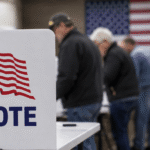
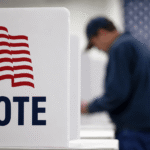
Many states now offer early in-person voting and mail-in ballot options, which have shifted the traditional single-day framing of Election Day into a broader voting period spanning days or weeks. Coverage of these expanded voting methods often examines how they affect turnout, processing timelines, and how quickly final results can be reported once polls officially close.
Why the Calendar Matters for Following the News
Understanding where a given point in the election calendar falls helps readers interpret coverage more accurately. Early polling numbers during the primary season, for example, carry different weight than polling conducted just before the general election, and news about candidate strategy shifts meaning depending on whether it occurs during the nomination fight or the general election campaign.
What is the difference between a primary and a caucus?
A primary is a direct vote similar to a general election, while a caucus involves local, in-person gatherings where participants discuss and select their preferred candidate.
Why do early primary states get so much attention?
Early contests are often viewed as the first real test of candidate support, which can significantly shape media coverage and fundraising momentum heading into later primaries.
Why are political conventions still held if the nominee is already known?
Conventions provide an opportunity for parties to unify around a platform, energize supporters, and generate media coverage heading into the general election campaign.
Why can final election results take time to report?
Processing mail-in and early ballots, along with verification and certification procedures, can extend the timeline for final results, particularly in closely contested races.