








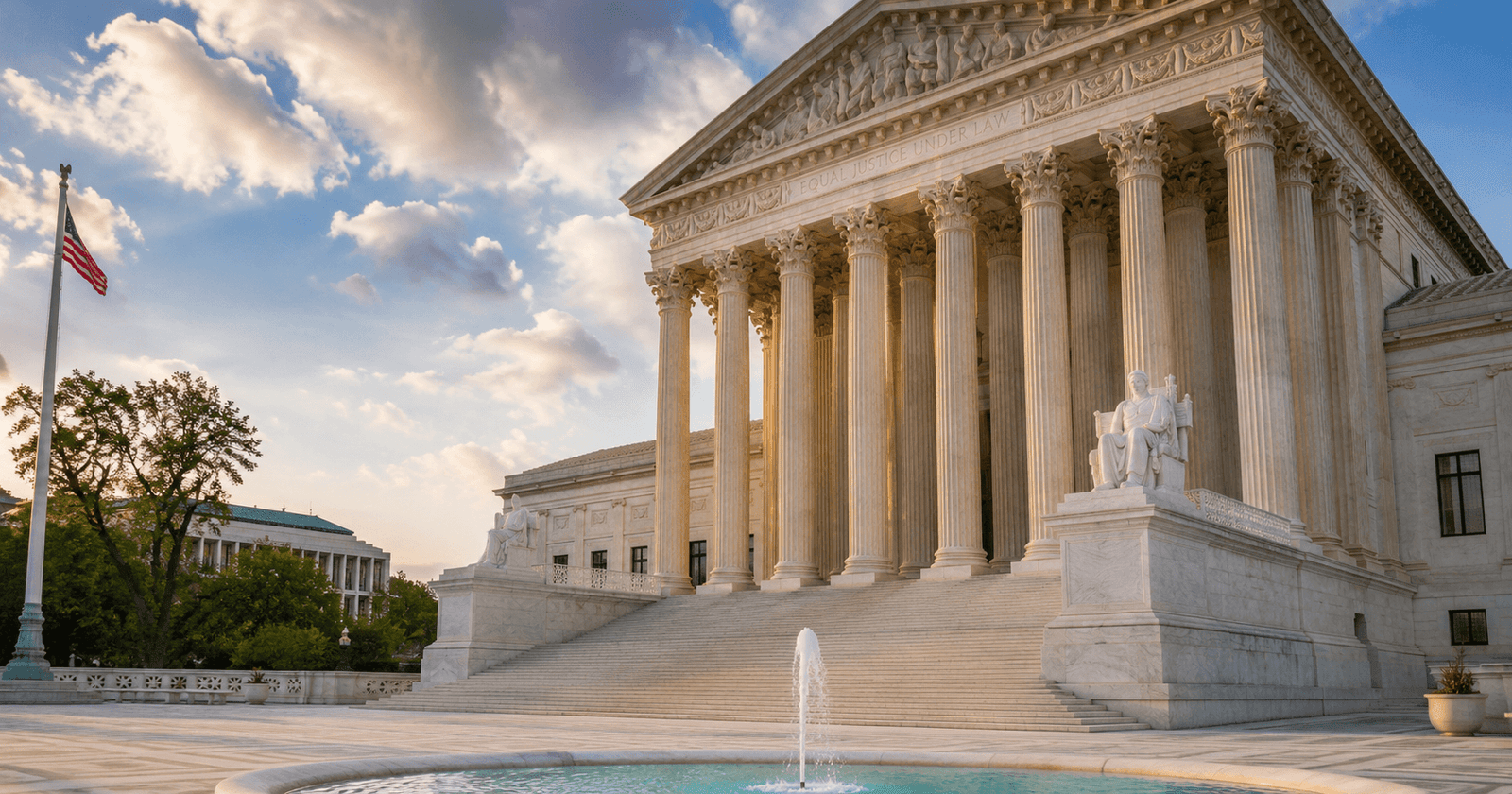
The Supreme Court occupies a unique place in American government, with the power to interpret the Constitution and strike down laws or executive actions it finds unconstitutional. Understanding how the court operates, and why its decisions carry such lasting weight, helps readers follow coverage of its rulings and the broader debates surrounding the institution.
Nine Justices, Lifetime Appointments
The Supreme Court consists of nine justices who serve lifetime appointments, meaning a single appointment can influence the court’s direction for decades. Justices are nominated by the president and must be confirmed by the Senate, a process that has become increasingly politically significant given how much a court’s composition can shape the outcome of major legal disputes over the long term.
How the Court Chooses Its Cases
The Supreme Court receives thousands of appeals each year but hears only a small fraction of them, generally selecting cases that involve significant constitutional questions or unresolved disagreements between lower courts. This selective process means that the cases the court does agree to hear often signal which legal issues the justices consider most pressing or unsettled at a given moment.
Oral Arguments and the Decision-Making Process
After hearing oral arguments, justices deliberate privately before issuing a written opinion explaining their reasoning. Coverage of oral arguments often focuses on the questions justices ask, since these can offer clues, though not certainties, about how they might be leaning on a given case. Final rulings typically include both a majority opinion and, often, dissenting opinions from justices who disagree, both of which can shape how future courts approach related issues.
Why Supreme Court Rulings Have Such Lasting Impact
Because the Supreme Court’s interpretation of the Constitution sets a binding precedent for lower courts, its rulings can reshape entire areas of law, from civil rights to regulatory authority, often for generations. Coverage of major decisions typically explains not just the immediate outcome, but how the ruling might affect related legal questions and future cases likely to reach the court.
Confirmation Battles and Their Political Stakes
Supreme Court confirmation hearings have become some of the most closely watched events in American politics, given the long-term influence of a single appointment. Coverage typically examines a nominee’s judicial background and past rulings, alongside the broader political dynamics surrounding the Senate confirmation process, since the outcome can significantly shift the court’s overall ideological balance for years to come.
Why do Supreme Court justices serve for life?
Lifetime appointments were designed to insulate justices from short-term political pressure, allowing them to make rulings based on legal reasoning rather than concern over reelection or reappointment.
How does the Supreme Court decide which cases to hear?
The court generally selects cases involving significant constitutional questions or conflicting rulings among lower courts, choosing to hear only a small fraction of the appeals it receives each year.
What is a dissenting opinion?
A dissenting opinion is written by a justice who disagrees with the majority ruling, explaining their reasoning and sometimes influencing how future courts revisit related legal questions.
Why are confirmation hearings so politically significant?
Because a single justice can serve for decades and influence major legal questions, confirmation battles are often viewed as having long-lasting consequences for the court’s overall direction.