









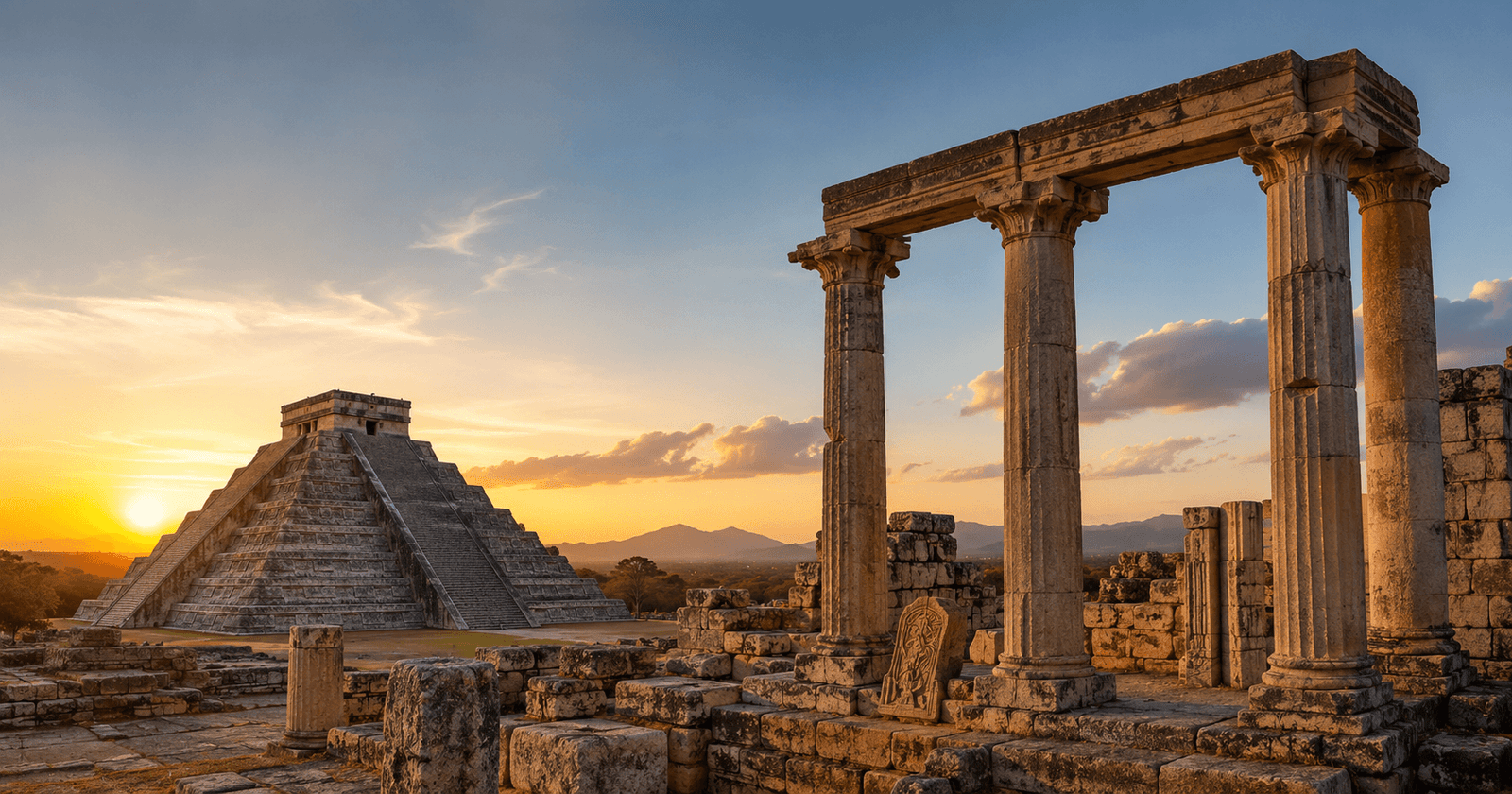
Archaeology and ancient history coverage brings discoveries about early civilizations to modern audiences, combining careful excavation work with increasingly sophisticated scientific analysis. Understanding how researchers piece together stories from the distant past helps readers appreciate the significance behind new archaeological findings.
How Archaeological Discoveries Are Made
Archaeological research combines systematic excavation with careful documentation, often building on years of preliminary survey work before a significant discovery is made. Coverage of new findings typically explains the broader excavation context, since a single artifact or structure usually gains its full significance only when understood alongside the surrounding site and historical period.
Scientific Techniques Transforming the Field
Modern archaeology increasingly relies on advanced scientific techniques, including radiocarbon dating, genetic analysis of ancient remains, and non-invasive imaging technology that can reveal buried structures without excavation. These tools have significantly expanded what researchers can learn from existing sites and artifacts, sometimes overturning long-held assumptions about specific civilizations or time periods.
Understanding Ancient Trade and Migration
Research into ancient trade networks and migration patterns reveals how interconnected early civilizations often were, despite lacking modern transportation and communication technology. Coverage in this area often highlights surprising evidence of long-distance contact between ancient societies, challenging assumptions that early civilizations developed in relative isolation from one another.
Daily Life in Ancient Societies
Beyond monumental structures and royal artifacts, archaeological research increasingly focuses on everyday life in ancient societies, examining diet, housing, and social organization among ordinary people. This research provides a more complete picture of ancient civilizations, moving beyond narratives centered solely on rulers and elite classes to include the broader population’s lived experience.
Why Ancient History Still Matters Today
Studying ancient civilizations offers valuable perspective on long-term patterns in human behavior, governance, and societal resilience, informing how modern societies think about their own challenges and institutions. This connection between past and present is part of why archaeological discoveries continue to capture significant public interest, even when they involve civilizations that existed thousands of years ago.
Frequently Asked Questions
How does radiocarbon dating work?
It measures the decay of a specific carbon isotope in organic materials, allowing researchers to estimate the age of artifacts and remains with reasonable scientific precision.
Why do archaeologists study ancient trade networks?
Evidence of trade reveals how connected ancient societies actually were, offering insight into cultural exchange and economic relationships across long distances.
Why has research shifted toward studying everyday ancient life?
Focusing on ordinary people, not just rulers and elites, provides a more complete and representative picture of how ancient societies actually functioned on a daily basis.
Why does ancient history remain relevant to modern readers?
Studying long-term patterns in past societies offers useful perspective on governance, resilience, and social organization that can inform how modern societies approach similar challenges.