









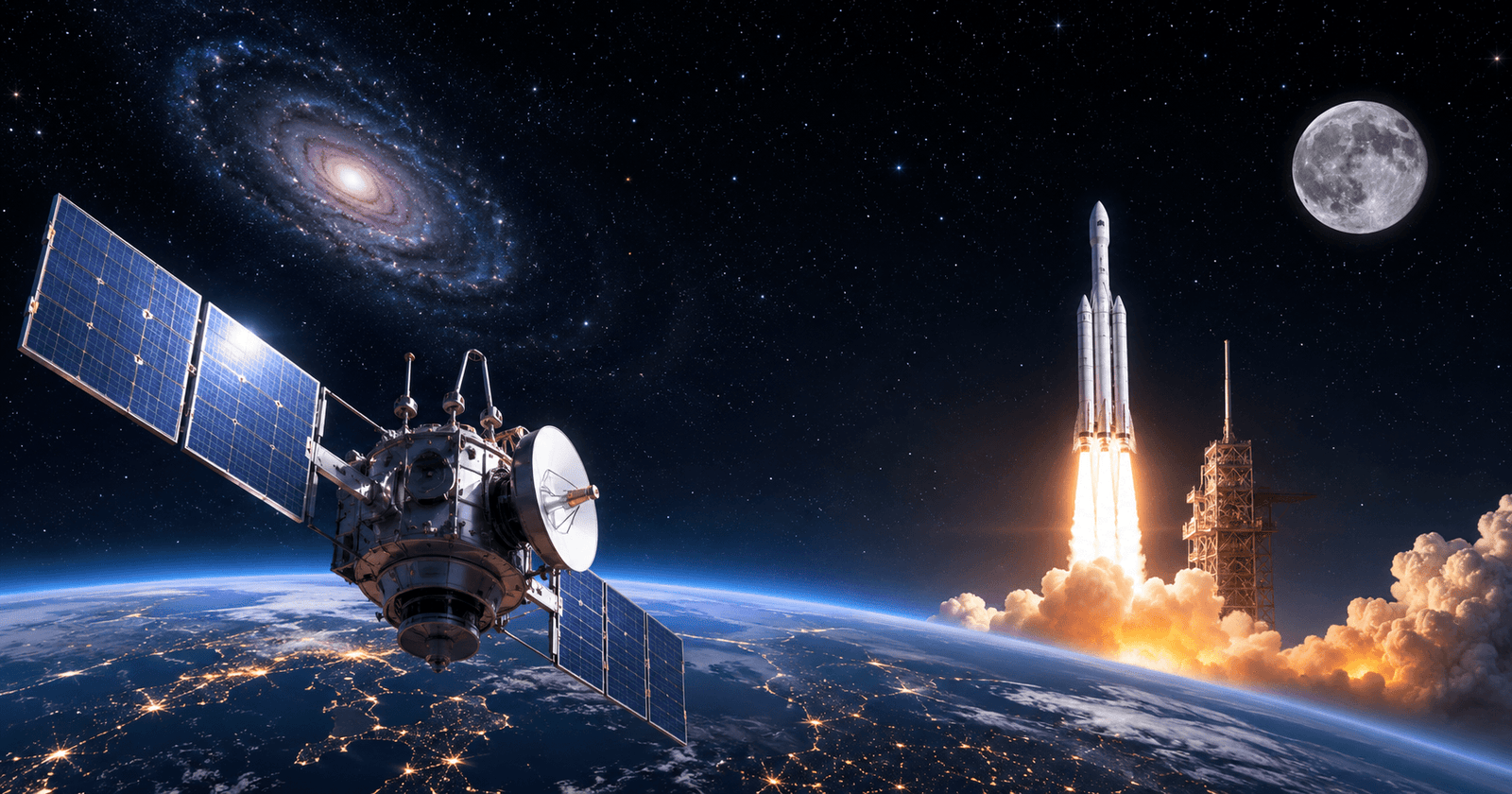
Space exploration has entered a period of rapid expansion, driven by both government space agencies and a growing number of private companies. Understanding the major categories of space coverage helps readers follow developments ranging from distant scientific discoveries to the engineering challenges of getting humans back into deep space.
Government Space Agencies and National Programs
National space agencies continue to lead many of the most ambitious scientific and exploratory missions, from robotic probes studying distant planets to programs aimed at returning humans to the Moon and eventually reaching Mars. Coverage of these programs typically tracks mission milestones, budget decisions, and international collaboration, since many major space initiatives involve partnerships between multiple countries’ space agencies.
The Rise of Private Spaceflight
Private companies have become major players in space exploration, developing launch vehicles, satellite systems, and increasingly, plans for crewed missions. This shift has significantly lowered launch costs and increased the frequency of space missions, reshaping how both government agencies and commercial customers access space, and creating new competitive dynamics within the broader space industry.
Astronomical Discoveries and Deep Space Research
Advanced telescopes and research missions continue to expand scientific understanding of the universe, from studying distant galaxies to searching for signs of conditions that could support life on other planets. Coverage of these discoveries often explains not just what was found, but the broader scientific significance and how new findings fit into humanity’s evolving understanding of the cosmos.
Satellite Technology and Its Everyday Impact
Beyond exploration, satellite technology plays a critical role in everyday infrastructure, supporting communications, navigation, and weather forecasting. Coverage of satellite launches and technology often connects space news to more immediate, practical applications, illustrating how space-based systems quietly support many aspects of daily life on Earth.
The Challenges of Human Spaceflight
Sending humans into space involves significant engineering and safety challenges, from life support systems to the physical effects of extended time in microgravity. Coverage of crewed missions typically addresses these technical and safety considerations alongside mission objectives, reflecting the substantial complexity involved in safely supporting human life beyond Earth’s atmosphere.
Frequently Asked Questions
Why have private companies become so significant in space exploration?
Advances in reusable rocket technology and reduced launch costs have allowed private companies to compete effectively alongside government agencies, expanding overall access to space.
Why do space agencies collaborate internationally on major missions?
Large-scale missions often require significant resources and expertise, making international partnerships an efficient way to share costs and combine technical capabilities.
How do satellites affect everyday life on Earth?
Satellites support essential infrastructure including GPS navigation, communications networks, and weather forecasting, making them integral to many aspects of daily life.
What makes human spaceflight so technically challenging?
Supporting human life in space requires solving complex problems related to life support, radiation exposure, and the physical effects of extended time in microgravity.