
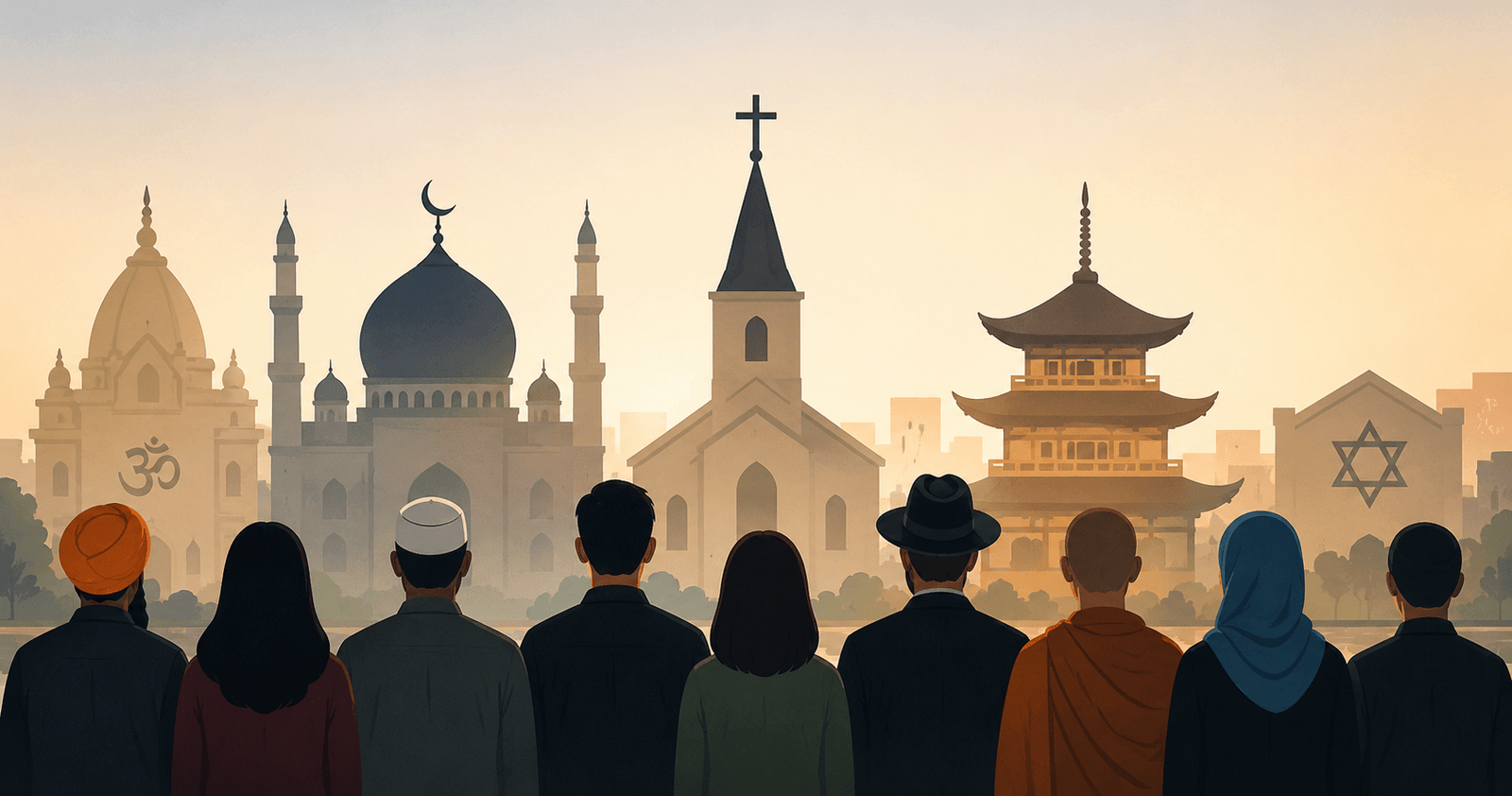
Religion coverage examines the role faith communities and institutions play in public life, spanning everything from theological developments to religion’s intersection with politics and culture. Understanding how this coverage is organized helps readers follow a beat that touches billions of people worldwide while requiring careful, respectful reporting.
Religious Institutions and Leadership
Coverage of major religious institutions tracks leadership changes, official statements, and institutional decisions that affect adherents worldwide. This reporting requires careful attention to the specific structures and traditions of different faiths, since religious governance and decision-making processes vary significantly across different religious traditions and denominations.
Religion’s Intersection With Politics and Policy
Religious beliefs and institutions often intersect with political debates, from questions of religious liberty to the role faith communities play in shaping public policy positions. Coverage in this area typically examines how religious perspectives inform political engagement, while distinguishing between the views of religious institutions and the diverse opinions held by individual adherents.
Demographic Trends in Religious Practice
Research on religious demographics tracks how affiliation, practice, and belief are changing over time across different regions and generations. This data-driven coverage provides important context for understanding broader trends in religious life, including shifts in religious identity that can significantly affect community institutions and social dynamics over time.
Interfaith Dialogue and Community Relations
Coverage of interfaith initiatives and community relations examines efforts to build understanding and cooperation across different religious traditions, particularly in diverse communities where multiple faiths coexist. This reporting often highlights specific local or national efforts aimed at fostering religious tolerance and cooperative community engagement.
Reporting on Religion With Accuracy and Respect
Responsible religion coverage requires accurately representing the beliefs and practices of diverse faith traditions, avoiding oversimplification of complex theological concepts, and distinguishing between official institutional positions and the varied perspectives held by individual practitioners. This careful approach helps ensure coverage serves readers across different faith backgrounds fairly and accurately.
Frequently Asked Questions
Why does religion coverage require particular care and accuracy?
Religious beliefs and practices are deeply significant to many readers, making accurate, respectful representation essential to fair and trustworthy journalism on the topic.
Why is it important to distinguish institutional positions from individual beliefs?
Individual adherents often hold varied views that may differ from official institutional positions, so conflating the two can misrepresent the diversity within a given faith community.
Why do researchers track religious demographic trends?
Changes in religious affiliation and practice over time provide important context for understanding broader social and cultural shifts affecting communities and institutions.
Why does religion coverage often connect to political news?
Religious beliefs frequently inform public policy debates and political engagement, making the intersection of faith and politics a recurring and significant coverage area.