







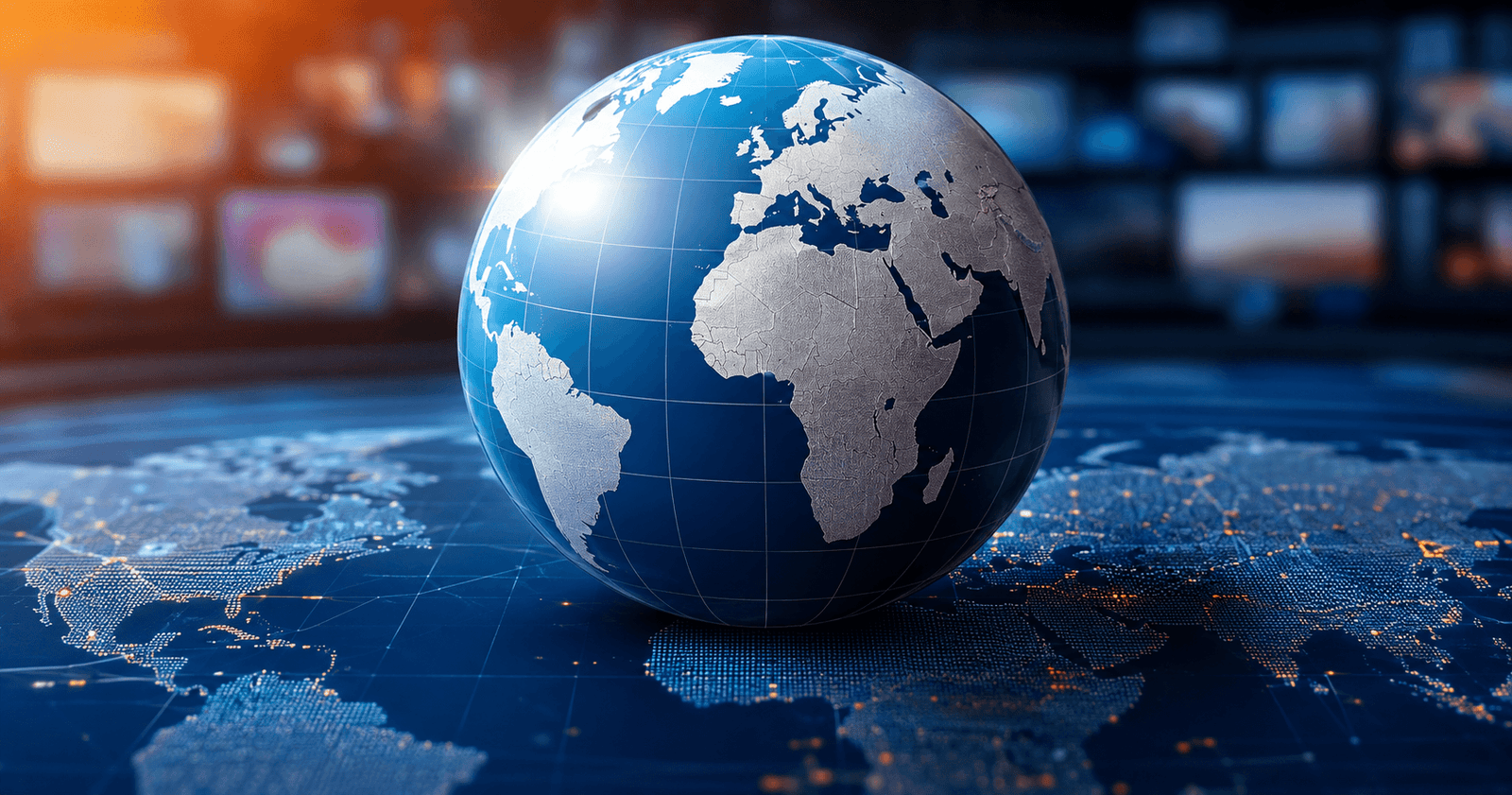
Global events rarely stay contained within a single country’s borders. A trade decision made in one capital can move markets thousands of miles away, a diplomatic dispute can reshape alliances that took decades to build, and a natural disaster in one region can trigger humanitarian responses from nations around the world. This is the essence of world news: the reporting that connects local readers to the forces shaping the planet they live on.
What Counts as World News
World news, sometimes called international or foreign news, covers events, policies, and trends that unfold outside a reader’s home country, as well as cross-border stories that involve multiple nations at once. This includes diplomacy and international relations, armed conflicts and peace negotiations, elections in major democracies, global trade agreements, public health emergencies, climate-related events, and cultural shifts that ripple across regions. Unlike purely domestic reporting, world news requires context: readers need to understand not just what happened, but how it fits into a longer-running story involving history, geography, and competing national interests.
The Major Regions Shaping the Global Conversation
International coverage is typically organized by region, since each part of the world tends to have its own recurring themes. Europe is frequently in the headlines for questions of security cooperation, energy policy, and the ongoing recovery from the war in Ukraine, which began with Russia’s full-scale invasion in 2022. Asia-Pacific coverage often centers on economic growth, technology competition, and the balance of power between major regional players. The Middle East continues to draw global attention because of its strategic importance for energy markets and its long history of political tension, including the effects of conflicts such as the Iran-linked disputes that have periodically drawn in outside powers. Africa’s story is increasingly about young, fast-growing populations, expanding digital economies, and the search for stable governance after decades marked by both progress and setbacks. Latin America regularly makes headlines around immigration, commodity-driven economies, and shifting political coalitions. Understanding these regional patterns helps readers make sense of individual news events instead of encountering them as isolated, disconnected headlines.
Why International Reporting Matters to Everyday Readers
It is tempting to think of world news as something distant, relevant only to diplomats and policy experts. In practice, international developments touch daily life in concrete ways. Global supply chains mean that a shipping disruption on the other side of the planet can affect the price of groceries or electronics at a local store. International conflicts can influence fuel prices at the pump within days. Public health decisions made by international organizations shape vaccine availability and travel rules. Even cultural trends, from music to technology platforms, increasingly originate outside any single country and spread through interconnected global audiences. Staying informed about world events is less about following distant politics for its own sake and more about understanding the invisible threads that connect a reader’s own life to the rest of the planet.
How to Follow International News Effectively
Because global stories can be complex and fast-moving, a few habits make it easier to stay genuinely informed rather than overwhelmed. First, prioritize breadth before depth: get a general sense of what is happening across multiple regions before diving deeply into any single story. Second, pay attention to background and history sections in reporting, since context often explains why a current event is significant. Third, compare coverage from more than one outlet when a story is contested or unfolding quickly, since early reports can change as more information becomes available. Fourth, distinguish between verified reporting and opinion or analysis pieces, which are valuable but represent a particular point of view rather than a neutral account of events. Finally, revisit major ongoing stories periodically rather than only reading about them once, since international developments such as trade negotiations, conflicts, or elections often play out over months or years.
Media Literacy in a Global News Environment
The volume of information available about international events has grown enormously, which makes media literacy more important than ever. Readers benefit from checking the origin of a report, noting whether it comes from a news organization with reporters on the ground or from a secondhand aggregator, and being cautious about viral claims that lack clear sourcing. Translated content and social media posts from conflict zones or disaster areas can be especially difficult to verify quickly, so it is worth waiting for confirmation from established news organizations before treating unverified footage or claims as fact. Understanding a country’s political and historical background also helps readers judge whether a piece of reporting is presenting a balanced account or leaning heavily toward one perspective.
Why does world news matter if it does not directly affect my country?
Modern economies, supply chains, and information networks are deeply interconnected, so events abroad often have indirect effects on prices, security, and opportunities at home, even when the connection is not immediately obvious.
What is the difference between world news and foreign policy news?
World news is a broad category covering any international event, while foreign policy news focuses specifically on how governments interact with one another through diplomacy, treaties, sanctions, and official statements.
How can I tell if international coverage is reliable?
Look for named sources, clear attribution, and reporters or news organizations with an established presence in the region being covered. Cross-checking a major claim across multiple reputable outlets is one of the simplest ways to judge reliability.
How often should I check international news?
There is no fixed rule, but checking in on major regions a few times a week is usually enough to stay informed without feeling overwhelmed, with more frequent updates during fast-moving events such as elections, conflicts, or natural disasters.
