






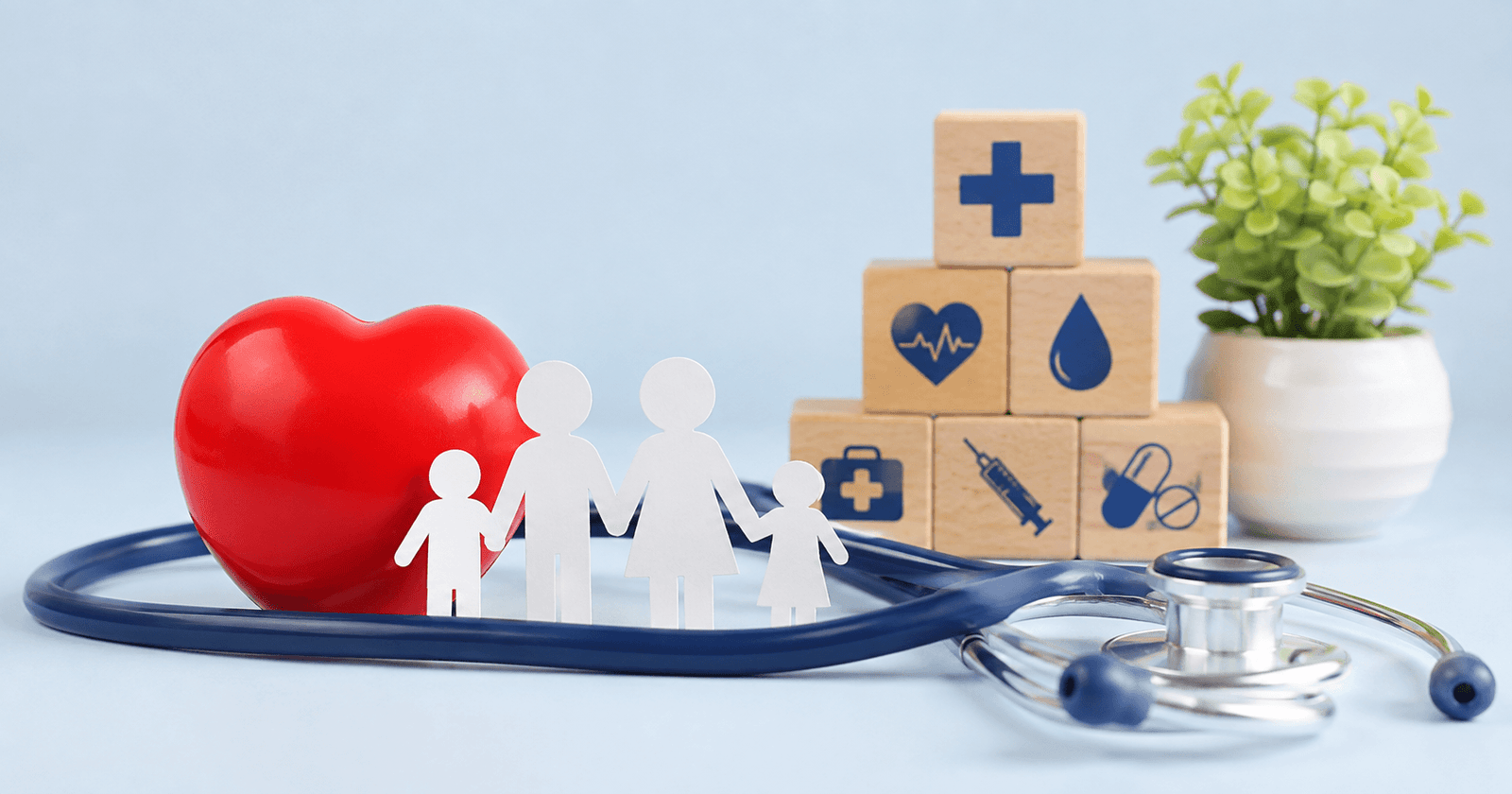
Health coverage bridges scientific research and practical everyday concerns, translating medical findings and public health developments into information that helps readers make informed decisions about their own well-being. Understanding the different types of health coverage helps readers navigate this often complex and fast-moving beat.
Public Health Trends and Population-Level Data
Public health coverage often examines trends at the population level, tracking disease prevalence, vaccination rates, and other health indicators across communities. This type of reporting relies heavily on data from health agencies and research institutions, providing a broader picture of population health beyond any single individual’s experience.
Healthcare System and Access Issues
Coverage of the healthcare system itself, including insurance policy, hospital access, and healthcare costs, addresses how structural factors affect people’s ability to receive medical care. This reporting often intersects with business and policy coverage, since healthcare system decisions carry significant financial and political implications alongside their direct effects on patient care.
New Treatments and Medical Innovation
Health journalism regularly covers new treatments, medical devices, and therapeutic approaches as they move through research and eventual clinical use. Responsible coverage in this area typically explains where a given treatment stands in the research and approval process, helping readers understand the difference between an experimental therapy and one with established clinical use.
Preventive Health and Everyday Wellness
Beyond disease treatment, health coverage often addresses preventive care and general wellness topics, including nutrition, exercise, and sleep, translating research findings into practical guidance for everyday health decisions. This coverage aims to help readers make informed lifestyle choices based on current scientific understanding rather than unverified trends.
Evaluating Health News With a Critical Eye
Because health information can directly affect personal decisions, readers benefit from checking whether health claims are supported by established research or professional medical guidance, rather than relying on anecdotal reports or preliminary findings alone. Consulting a healthcare provider remains an important complement to general health news for decisions specific to an individual’s circumstances.
Frequently Asked Questions
Why does public health coverage focus on population-level data?
Population-level trends help identify broader patterns and risks that inform public policy and resource allocation, complementing coverage focused on individual health decisions.
Why is it important to know a treatment’s research stage?
Experimental treatments carry more uncertainty than those with established clinical use, so understanding a treatment’s stage helps set appropriate expectations.
How does healthcare policy coverage connect to everyday health news?
Policy decisions affect insurance coverage and healthcare access, directly shaping the practical healthcare options available to individuals and families.
Should health news replace advice from a doctor?
No, general health coverage provides useful background information, but individual medical decisions should always involve consultation with a qualified healthcare provider.