


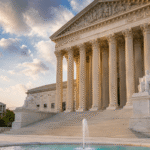
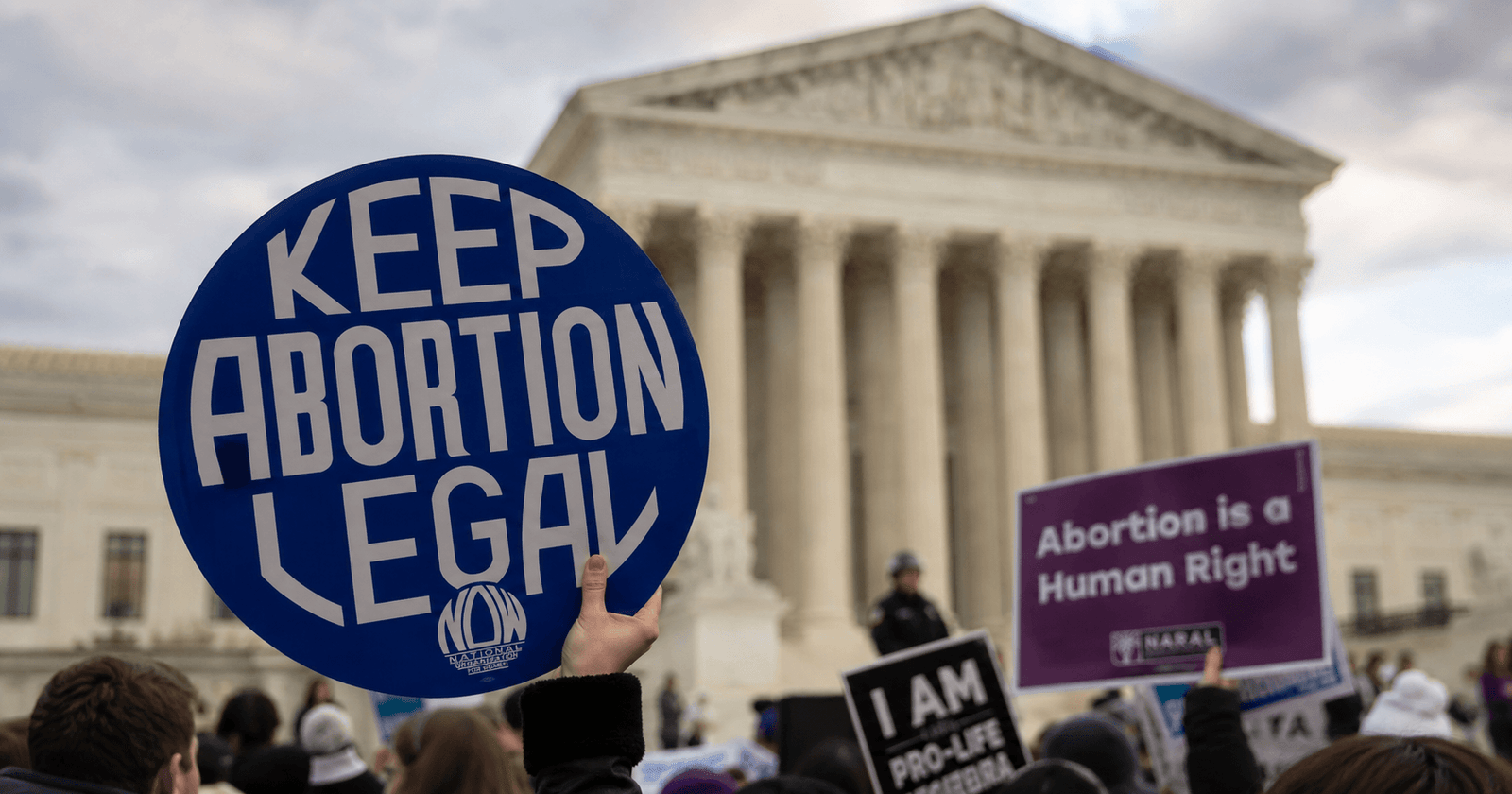
Abortion policy in the United States underwent a fundamental shift after the Supreme Court’s 2022 decision in Dobbs v. Jackson Women’s Health Organization, which overturned the constitutional right to abortion established in Roe v. Wade and returned regulatory authority to individual states. Understanding this shift is essential to following the patchwork of state laws that has emerged since.
From a National Standard to a State-by-State System
Before 2022, Roe v. Wade established a nationwide constitutional framework for abortion access, though states still retained some ability to regulate the procedure within certain limits. The Dobbs decision eliminated that federal constitutional standard, allowing each state to set its own abortion policy independently. This has resulted in a wide range of approaches across the country, from states with few restrictions to states that have banned the procedure in nearly all circumstances.
How State Laws Differ
Because abortion policy is now determined at the state level, coverage in this area requires careful attention to which specific state a story concerns, since laws can range from full legal access up to a certain point in pregnancy, to near-total bans with limited exceptions. Some states have also passed laws addressing related issues, such as travel for abortion services or access to abortion medication, adding further complexity to the legal landscape.
Ballot Measures and Direct Democracy
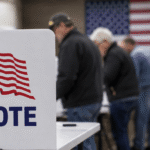
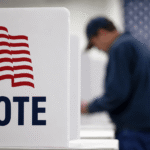
In several states, abortion policy has been decided directly by voters through ballot measures rather than solely through legislative action. Coverage of these campaigns tends to track fundraising, public messaging from both sides, and final results, since ballot measures have become an increasingly significant tool for shaping abortion policy at the state level following the Dobbs decision.
Legal Challenges and Ongoing Litigation
Abortion-related litigation has continued at both the state and federal level since Dobbs, addressing questions such as the interpretation of medical exceptions in state bans and the legality of restrictions on abortion medication. Coverage of these cases typically explains the specific legal question at stake and the potential practical effect of a ruling on abortion access within a given jurisdiction.
The Human Impact of a Changing Legal Landscape
Beyond legal and political analysis, coverage of abortion policy often includes reporting on how changing laws affect patients and healthcare providers, including stories about travel for care, effects on medical training, and the experiences of doctors navigating new legal restrictions. This human dimension provides important context for understanding the practical stakes behind the broader policy debate.
What did the Dobbs decision actually change?
The 2022 ruling eliminated the federal constitutional right to abortion established by Roe v. Wade, giving individual states full authority to regulate or restrict abortion within their own borders.
Why does abortion policy vary so much between states?
Since Dobbs removed the national constitutional standard, each state legislature or, in some cases, the state’s voters, now determines abortion policy independently, leading to significant variation across the country.
How have ballot measures affected abortion policy?
Several states have allowed voters to decide abortion policy directly through ballot measures, which has become an important avenue for shaping laws outside the traditional legislative process.
What kinds of legal disputes remain unresolved after Dobbs?
Ongoing litigation continues to address issues such as the scope of medical exceptions in state bans and the legality of restrictions on abortion medication, among other unresolved legal questions.