









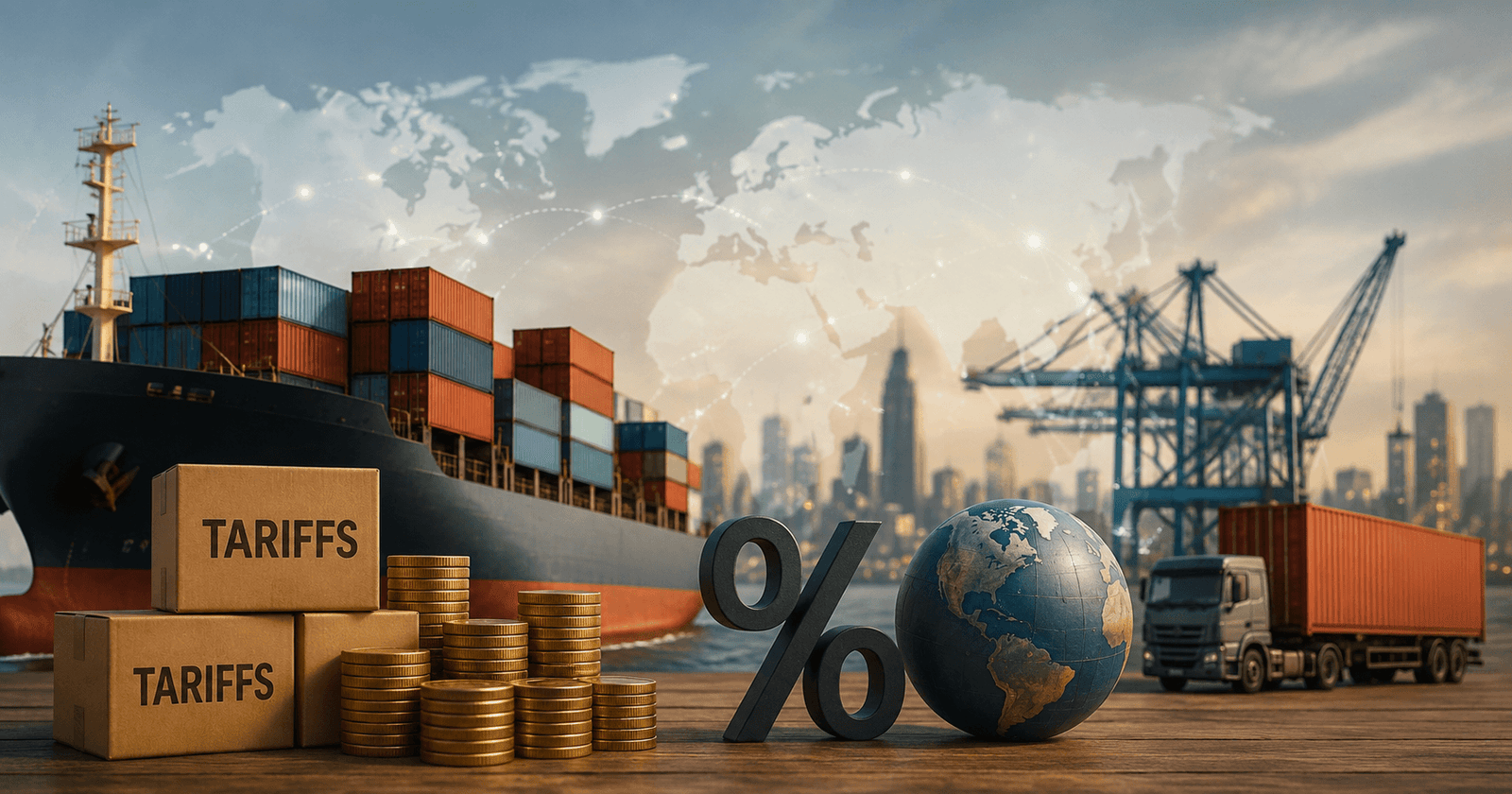
Tariffs have become a recurring feature of business and trade news, used by governments as both a protective economic tool and a form of diplomatic leverage. Understanding how tariffs work, and who ultimately bears their cost, helps readers follow tariff-related coverage with more clarity.
What a Tariff Actually Is
A tariff is a tax imposed on imported goods, typically paid by the domestic company importing the product rather than the foreign exporter directly. Governments use tariffs for various purposes, including protecting domestic industries from foreign competition, generating government revenue, and applying economic pressure in broader trade or diplomatic negotiations.
Who Actually Pays for Tariffs
While tariffs are technically paid by importing businesses, companies frequently pass at least part of that added cost on to consumers through higher prices, particularly for products with limited domestic alternatives. Coverage of tariff policy often examines this pass-through effect, since the practical consumer impact of a tariff can vary significantly depending on the specific product and the availability of substitute goods.
Tariffs as a Tool of Trade Policy
Beyond their direct economic effects, tariffs are often used as leverage in broader trade negotiations between countries, aimed at pressuring trading partners to change specific policies or practices. Coverage of tariff disputes typically tracks negotiation developments, retaliatory measures from affected countries, and the broader diplomatic relationship between the nations involved.
Effects on Domestic Industries
Tariffs are sometimes intended to protect domestic industries by making imported goods more expensive relative to domestically produced alternatives. Coverage of this effect often examines whether protected industries actually benefit as intended, since tariffs can also raise costs for domestic manufacturers that rely on imported materials or components as part of their own production process.
Global Supply Chain Ripple Effects
Because modern supply chains span multiple countries, tariffs on a single product category can create ripple effects across an entire industry, affecting businesses well beyond the specific companies directly targeted by a given tariff. Coverage of these broader supply chain effects helps illustrate why tariff policy decisions often have consequences extending far beyond their immediate, stated target.
Who technically pays a tariff?
The importing company generally pays the tariff directly, though the added cost is often passed on to consumers through higher retail prices.
Why do tariffs sometimes hurt domestic manufacturers?
Manufacturers that rely on imported materials or components can face higher production costs from tariffs, even if the tariff was intended to protect a different part of the domestic industry.
Why do countries impose retaliatory tariffs?
Countries often respond to tariffs with their own tariffs on the other nation’s exports, using them as leverage to pressure a change in trade policy or negotiate more favorable terms.
Do tariffs always raise consumer prices?
Not necessarily to the same degree in every case, since the extent of price increases depends on factors like available substitutes and how much of the added cost businesses choose to absorb versus pass on.