
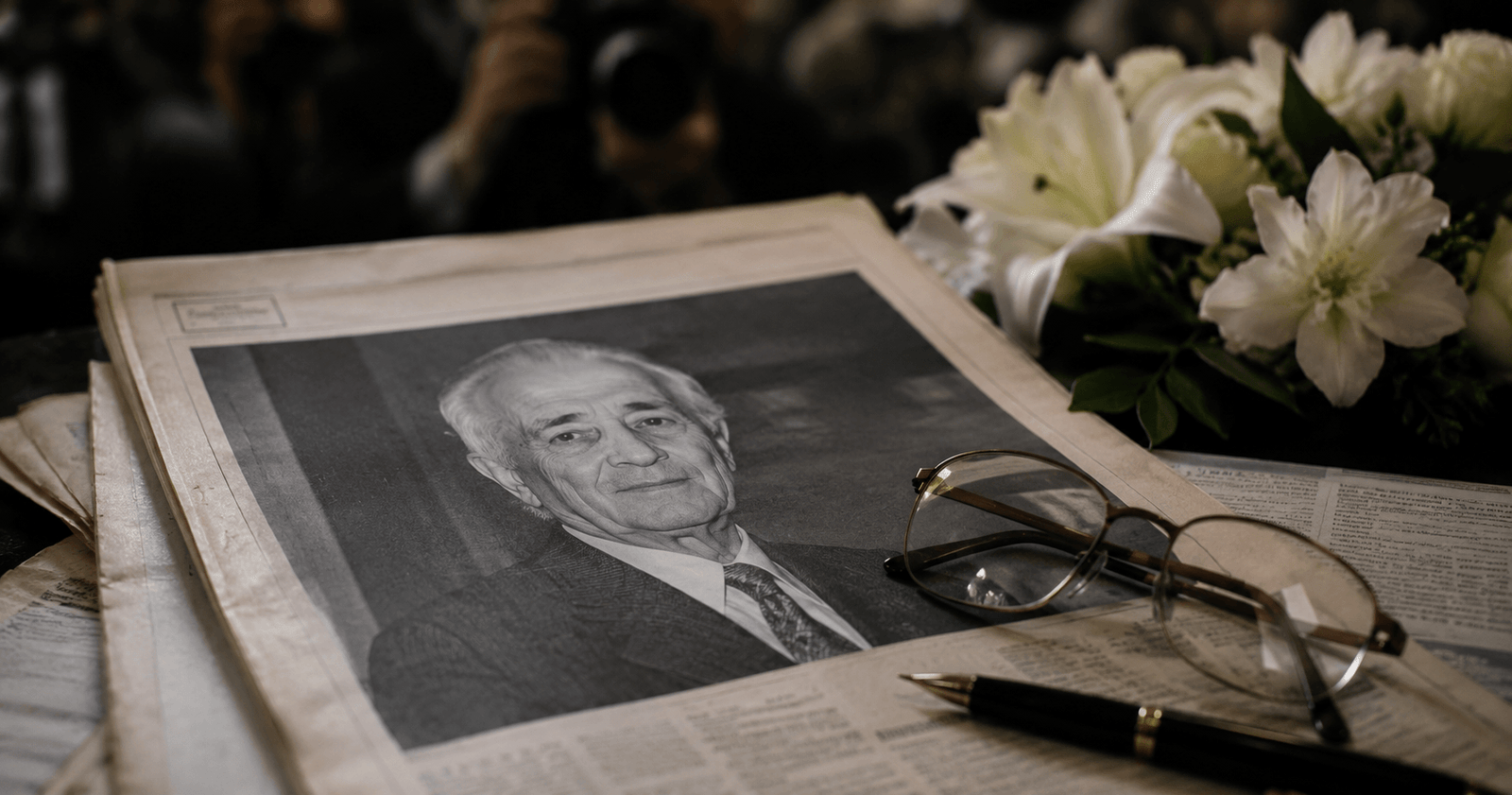
Obituary and notable-death coverage serves a distinct purpose in journalism, documenting the lives and legacies of people who shaped public life, whether in politics, business, entertainment, science, or their local communities. Far from being a minor news category, this kind of reporting provides an important historical record and a way for the public to reflect on a person’s impact.
What Makes a Death Newsworthy
Not every death receives national news coverage. Editors generally consider a person’s public role, influence, and the significance of their contributions when deciding how prominently to cover a death. This can include political figures, business leaders, entertainers, athletes, scientists, and others whose work had a meaningful public impact, as well as private individuals whose deaths become newsworthy because of the circumstances involved.
The Craft of Writing an Obituary
Good obituary writing goes beyond a simple recitation of dates and titles. It aims to capture the significance of a person’s work, place their contributions in context, and offer readers a genuine sense of who they were, often through details, anecdotes, and reflections from people who knew or were affected by their work. Many major news organizations prepare obituaries for prominent public figures well in advance, allowing for thoughtful, well-researched coverage even when a death occurs unexpectedly.
Political and Public Figures
The deaths of political leaders, judges, and other public officials often prompt coverage that examines both their personal history and their broader policy legacy, including how their decisions and actions shaped institutions or communities. This type of coverage frequently includes reactions from colleagues, successors, and the public, offering a fuller picture of a figure’s impact on public life.
Cultural and Scientific Figures
Coverage of deaths among entertainers, athletes, authors, and scientists often focuses on their body of work and its lasting cultural or intellectual influence. These stories can resonate widely with the public, particularly when the person’s work touched many lives, and often include reflections from fans, colleagues, and other figures within their field.
Why This Coverage Matters Beyond a Single Story
Notable-death coverage collectively forms a kind of ongoing historical record, documenting the individuals who shaped a given era in politics, culture, science, and public life. For readers, this coverage offers not just closure on a specific loss, but a chance to understand the broader arc of a person’s contributions and how they fit into the larger story of their field or community.
Why do some deaths receive far more coverage than others?
Coverage generally reflects the scope of a person’s public influence and the significance of their contributions, though the circumstances of a death can also affect how widely it is reported.
Do news organizations prepare obituaries before someone dies?
Many outlets prepare advance obituaries for prominent public figures, allowing for well-researched, thoughtful coverage to be published quickly and accurately when a death occurs.
What makes an obituary well written?
Strong obituaries go beyond basic facts to capture a person’s character and significance, often incorporating anecdotes and perspectives that help readers understand their genuine impact.
Why is notable-death coverage considered part of the historical record?
Collectively, this coverage documents the people who shaped their era, offering future readers context about influential figures across politics, culture, and science.