









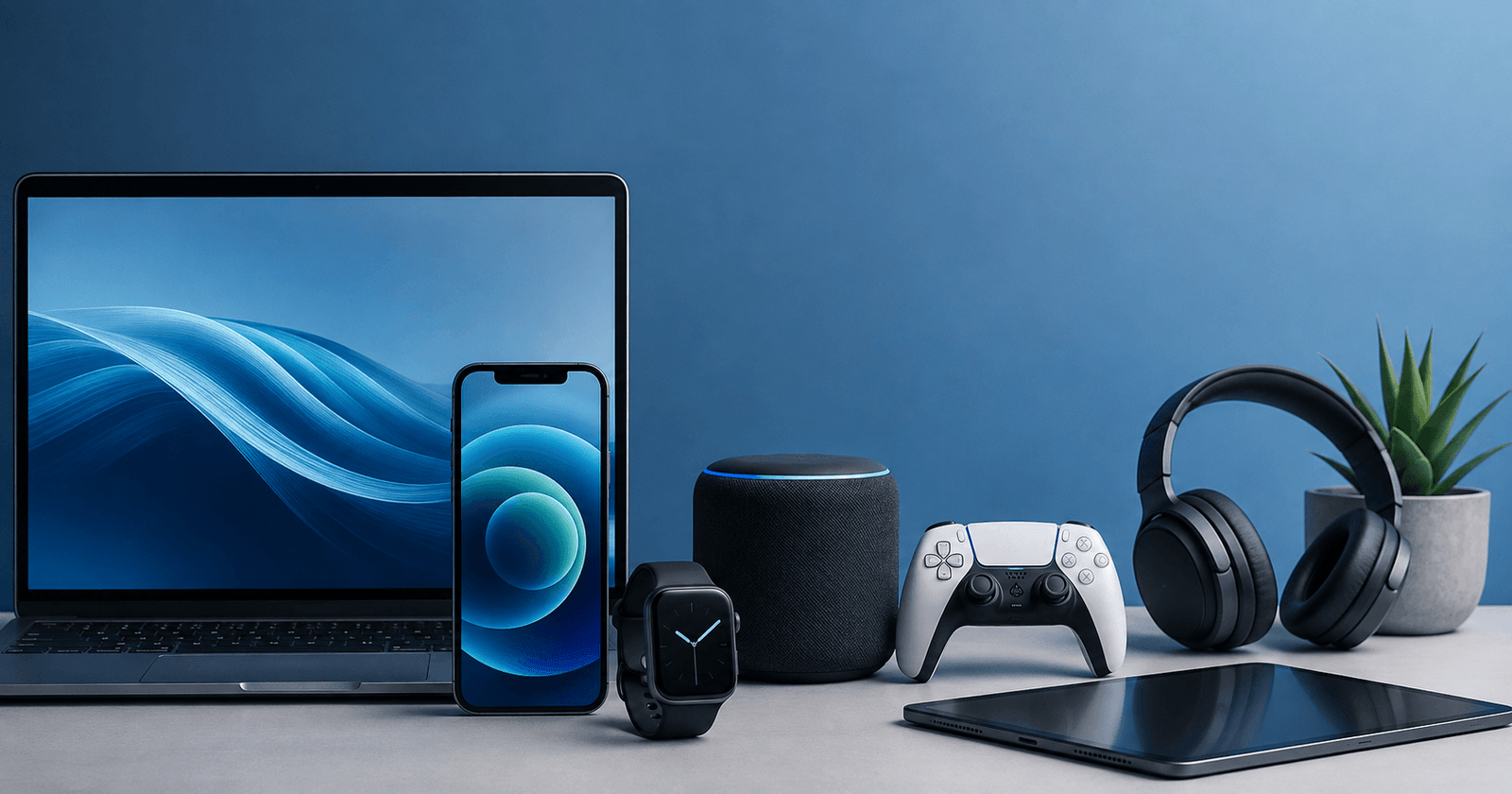
Consumer technology coverage helps readers navigate an ever-expanding landscape of devices, software, and digital services that shape daily life. Understanding how this coverage is organized makes it easier to separate genuinely useful information from marketing hype surrounding new product releases.
New Devices and Product Releases
Coverage of new consumer devices, from smartphones to smart home products, typically includes both initial announcement coverage and in-depth reviews once products become available to test. Reviews generally offer more reliable guidance than pre-release marketing material, since they reflect actual hands-on use rather than manufacturer claims about a product’s capabilities.
Software Updates and Digital Services
Beyond physical devices, tech coverage tracks software updates, app releases, and changes to widely used digital services, which can significantly affect how people use technology in daily life. This coverage often explains not just what has changed, but the practical implications for everyday users, including new features, changed privacy settings, or updated terms of service.
Cybersecurity and Digital Safety
Cybersecurity coverage addresses data breaches, scam trends, and practical digital safety guidance, helping readers protect their personal information in an increasingly connected world. This coverage often translates technical security concepts into accessible guidance, since digital safety practices are relevant to nearly everyone who uses connected devices and online services.
Artificial Intelligence in Everyday Tools
As AI-powered features become increasingly integrated into everyday software and devices, coverage in this area helps readers understand both the practical capabilities and current limitations of these tools. This includes explaining how AI features actually work in accessible terms, along with honest assessment of where the technology still falls short of marketing claims.
How to Evaluate Tech Coverage Critically
Readers benefit from distinguishing between independent reviews and sponsored or promotional content, checking whether a reviewer had genuine hands-on experience with a product, and being cautious of hype-driven coverage around unreleased or early-stage technology that has not yet been independently tested.
Frequently Asked Questions
Why are hands-on reviews more reliable than announcement coverage?
Reviews reflect actual product testing and real-world use, while announcement coverage typically relies on manufacturer claims that have not yet been independently verified.
Why should I pay attention to software update coverage?
Updates can change privacy settings, add new features, or alter how existing tools function, making it useful to stay informed about changes to services you regularly use.
Why is cybersecurity coverage relevant to everyday readers?
Data breaches and scams can affect anyone who uses connected devices, making basic digital safety awareness practically useful for most technology users.
How can I tell if AI-related product claims are overstated?
Comparing marketing claims against independent reviews and real-world testing generally offers a more accurate picture of a feature’s actual capabilities and limitations.