







Election night coverage can feel dramatic and fast-moving, but the process behind official results is more methodical than the rapid pace of live reporting might suggest. Understanding how votes are actually counted, verified, and certified helps readers interpret election results coverage with more confidence.
Why Election Night Projections Are Not Final Results
The figures reported on election night are typically unofficial and based on a combination of counted ballots and statistical modeling used to project likely outcomes before every vote is fully tallied. News organizations rely on data from official election offices along with independent analysis to make these projections, but the underlying certified results, finalized by state and local election officials, always come later, sometimes days or weeks after election night.
The Vote-Counting Process
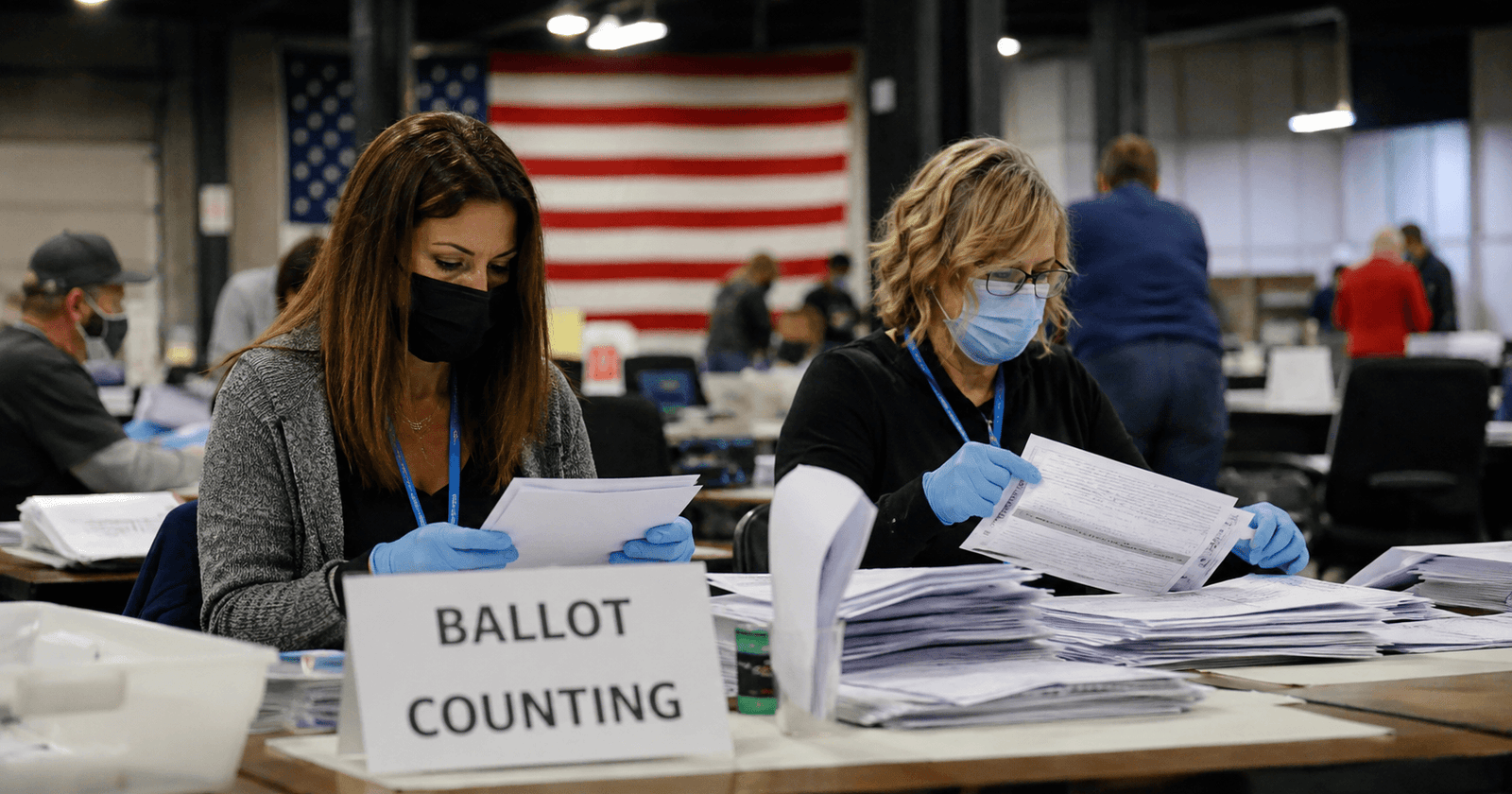
Election officials process ballots through a series of verification steps, including confirming voter eligibility and checking that ballots meet legal requirements, before votes are formally counted. Mail-in and provisional ballots often require additional processing time, which is one of the main reasons full results can take longer to finalize in some states than others, depending on local rules and the volume of these ballot types.
Recounts and Close Races
In races decided by a narrow margin, candidates or election officials may request or automatically trigger a recount, depending on state law. Coverage of recounts typically explains the specific margin required to trigger the process and the timeline involved, since recounts, while relatively rare in the context of most elections, can occasionally shift the outcome in extremely close contests.
Certification: Making Results Official
Certification is the formal process by which state and local officials confirm that election results are accurate and complete, making the outcome legally official. This step typically follows a set legal timeline and involves multiple layers of review, providing an important safeguard in the overall election process, even though it receives less day-to-day media attention than the initial vote count.
How to Evaluate Election Results Coverage
Readers benefit from distinguishing between media projections, preliminary vote counts, and officially certified results, since each represents a different level of certainty. Relying on official state election websites for final, certified figures, alongside established news organizations for context and analysis, offers the most reliable overall picture of an election’s outcome.
Why do news organizations call races before all votes are counted?
Projections are based on statistical analysis of counted ballots and historical voting patterns, allowing outlets to responsibly indicate a likely outcome when the remaining uncounted votes are unlikely to change the result.
Why do mail-in ballots take longer to count?
Mail-in ballots often require additional verification steps, such as signature matching, which can extend processing time compared to ballots cast in person.
What triggers an automatic recount?
State laws typically set a specific margin, often a small percentage of total votes, within which a recount is automatically triggered or can be requested by a candidate.
What does it mean for an election result to be certified?
Certification is the official confirmation by election authorities that the results are accurate and complete, making the outcome legally final.