









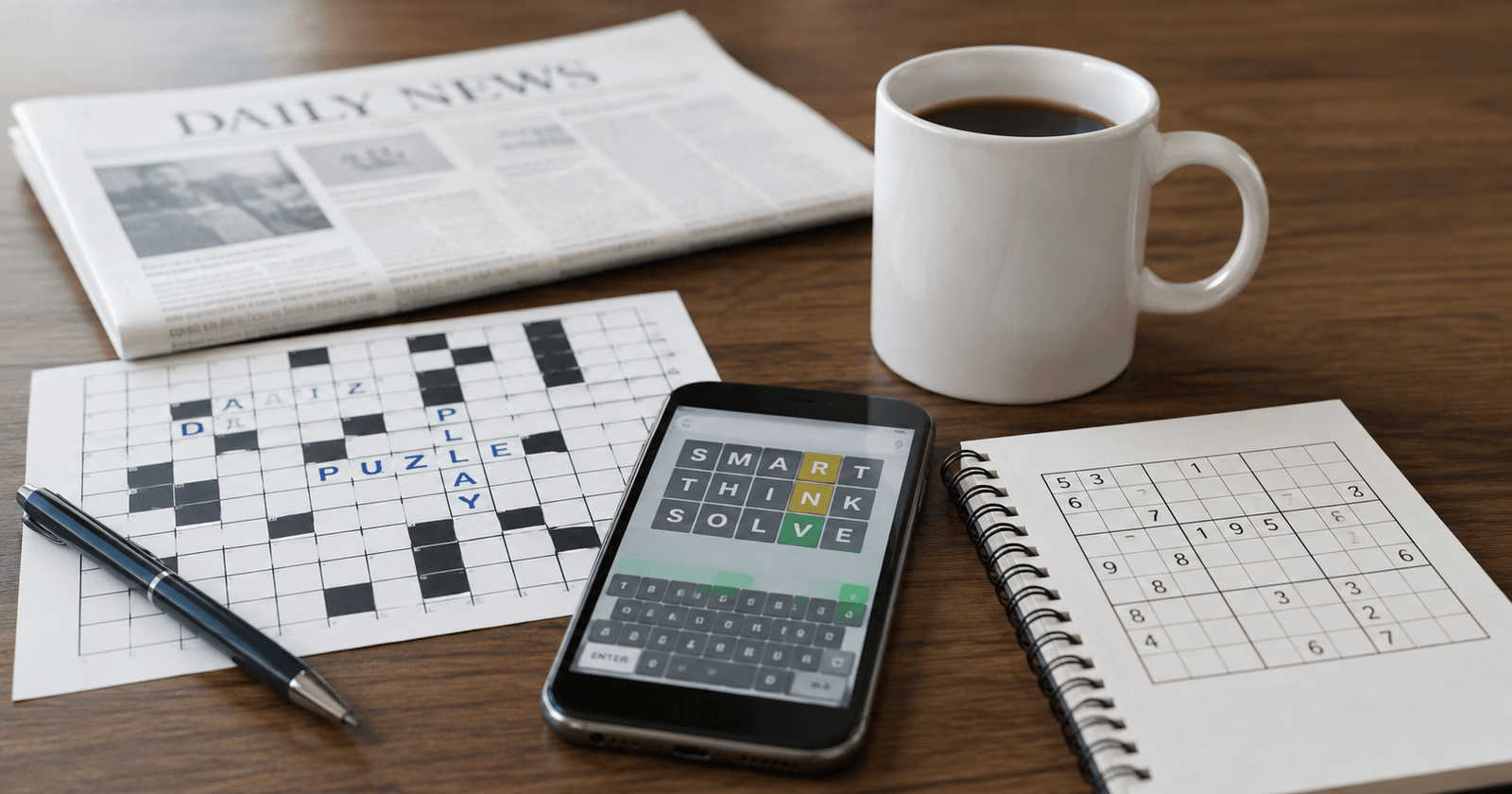
Daily word and number games have become a significant feature of many news sites, offering readers a quick, engaging break alongside their regular news consumption. Understanding why these games have grown so popular helps explain their prominent place in modern digital media.
The Rise of Daily Puzzle Culture
Daily puzzle games, from word games to number-based logic puzzles, have become a shared daily ritual for many readers, offering a bite-sized mental challenge that fits easily into a busy schedule. Part of their appeal lies in the shared experience, since many of these games use the same daily puzzle for all players, creating a common point of conversation and comparison.
The Cognitive Appeal of Word and Logic Games
Word and logic games engage pattern recognition, vocabulary, and problem-solving skills, offering a form of mental exercise that many players find genuinely enjoyable. This combination of cognitive engagement and low time commitment helps explain why these games have found such a broad and consistent audience across different age groups.
Games as a Complement to News Consumption
Many news organizations have added daily games as a complement to their core news coverage, recognizing that readers often value a lighter, more playful element alongside serious reporting. This pairing reflects a broader trend of news outlets diversifying their offerings to serve different reader needs throughout the day, from staying informed to taking a brief mental break.
Building Habit Through Daily Rituals
The daily format of many popular puzzle games encourages habitual engagement, similar to reading a daily news briefing. This routine-building aspect has proven effective at encouraging readers to return regularly, making games an important part of how digital publishers think about ongoing reader engagement.
Variety Across Different Game Formats
Puzzle offerings have expanded well beyond traditional crosswords to include word-guessing games, number puzzles, and trivia formats, each appealing to different preferences and skill sets. This variety allows readers to choose games that match their particular interests, whether they favor vocabulary-based challenges or more numerically oriented logic puzzles.
Frequently Asked Questions
Why do many daily puzzle games use the same puzzle for everyone?
A shared daily puzzle creates a common experience among players, encouraging conversation and comparison, which has contributed significantly to these games’ popularity.
What makes word games cognitively engaging?
They engage vocabulary, pattern recognition, and problem-solving skills, offering a satisfying mental challenge within a short, manageable time commitment.
Why have news organizations added games alongside their coverage?
Games offer a lighter complement to serious news coverage, helping publishers serve a broader range of reader interests and encourage regular site engagement.
Why is the daily format important to a puzzle’s popularity?
A daily release schedule encourages habitual engagement, similar to other daily routines, helping build a consistent, returning audience over time.