









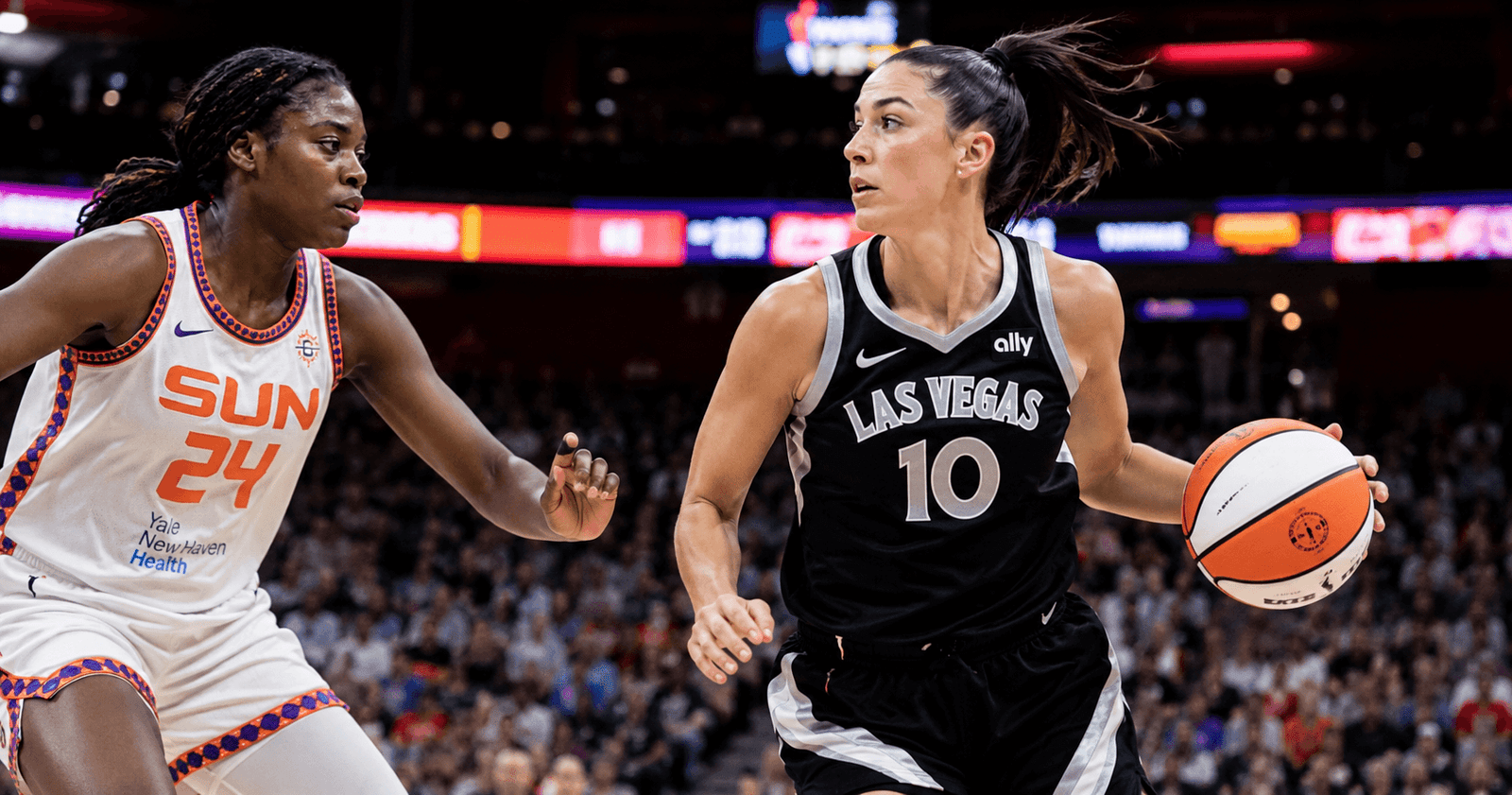
The WNBA has seen a significant surge in coverage and fan interest in recent years, reflecting both growing investment in women’s professional sports and increasing visibility for the league’s players. Understanding how the league operates helps readers follow a competitive landscape that continues to evolve quickly.
A Compact, Competitive Regular Season
The WNBA regular season is considerably shorter than its NBA counterpart, which means individual games carry relatively more weight in determining playoff positioning. Coverage during the season tends to closely track team standings, given how a single winning or losing streak can meaningfully shift a team’s playoff outlook within a more condensed schedule.
Rising Viewership and Media Investment
Television viewership and media coverage of the WNBA have grown substantially, driven in part by standout rookie classes and increased broadcast investment from major sports networks. This growth has translated into expanded coverage, including more nationally televised games and increased attention to individual player storylines throughout the season.
The Playoffs and Championship Race
Like other major leagues, the WNBA playoffs bring elevated stakes, with teams competing in a series format that rewards sustained performance. Coverage of the postseason often highlights matchup-specific storylines and coaching adjustments, similar in structure to NBA playoff coverage but reflecting the WNBA’s own set of contending teams and star players.
Player Empowerment and Off-Court Advocacy
WNBA players have played a prominent role in broader conversations about pay equity, working conditions, and social advocacy within professional sports. Coverage in this area often examines collective bargaining developments and player-led initiatives, reflecting the league’s distinctive role in conversations about the business and culture of women’s professional athletics.
The Business Side of a Growing League
Franchise valuations, expansion into new markets, and sponsorship growth have all become significant WNBA storylines as the league’s commercial profile expands. Business-focused coverage of the league increasingly parallels coverage of other major professional sports leagues, reflecting the WNBA’s growing significance within the broader sports industry.
Why has WNBA viewership grown so significantly in recent years?
A combination of standout new talent, increased broadcast investment, and growing overall interest in women’s sports has contributed to rising viewership and media coverage.
Why does the WNBA regular season have fewer games than the NBA?
The league’s season length reflects its current scheduling structure, which has historically been shorter, though it has expanded in recent seasons alongside the league’s overall growth.
What role have WNBA players played in labor advocacy?
Players have been vocal participants in collective bargaining discussions and broader advocacy around pay and working conditions, shaping ongoing conversations about the business of women’s sports.
Is the WNBA expanding into new markets?
The league has pursued expansion in recent years, reflecting rising franchise valuations and growing commercial interest in adding new teams.