








Inflation is one of the most consistently covered economic topics, directly affecting the cost of everyday goods and services. Understanding how inflation is measured and what drives it helps readers interpret economic coverage with more confidence, rather than reacting to isolated headlines about rising prices.
What Inflation Actually Measures
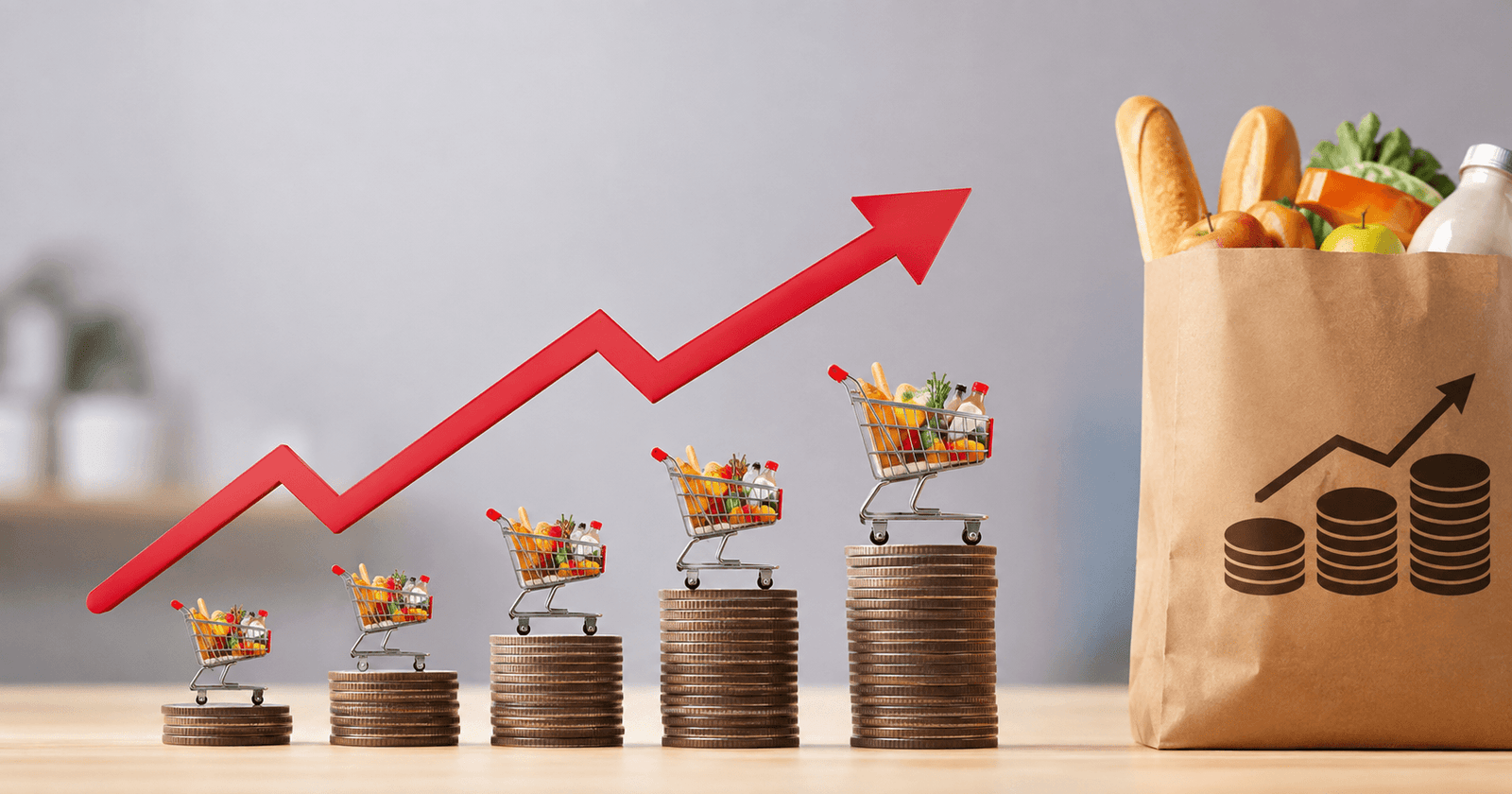
Inflation refers to the general increase in prices across an economy over time, which reduces the purchasing power of a given amount of money. It is typically tracked through price indexes that follow the cost of a broad basket of goods and services, from groceries and housing to transportation and healthcare, offering a composite measure of how the overall cost of living is changing.
Common Drivers of Rising Prices
Inflation can be driven by several overlapping factors, including strong consumer demand outpacing available supply, rising production costs that get passed on to consumers, and disruptions to supply chains that limit the availability of goods. Coverage of inflation trends often examines which of these factors appears to be playing the largest role at a given time, since different drivers can call for different policy responses.
The Role of Central Bank Policy
Central banks typically respond to elevated inflation by adjusting interest rates, since higher rates tend to slow borrowing and spending, which can help cool price growth over time. Coverage of interest rate decisions often connects directly to inflation data, explaining how policymakers are attempting to balance controlling inflation against the risk of slowing economic growth too sharply.
How Inflation Affects Different Households Differently
While inflation is reported as a single national figure, its practical effects can vary significantly depending on a household’s spending patterns and income level. Coverage that breaks down inflation by category, such as food, housing, or energy, often provides more useful context than the headline number alone, since households with different spending priorities may experience inflation quite differently.
Distinguishing Temporary Spikes From Sustained Trends
Not every price increase reflects a sustained inflationary trend. Coverage often distinguishes between temporary price spikes caused by specific short-term events, such as a supply disruption, and broader, sustained inflation driven by underlying economic conditions, since these two scenarios can call for very different policy and personal financial responses.
Frequently Asked Questions
How is inflation typically measured?
Inflation is generally tracked through price indexes that monitor the cost of a broad basket of goods and services over time, providing a composite measure of overall price changes.
Why do central banks raise interest rates to fight inflation?
Higher interest rates make borrowing more expensive, which tends to reduce spending and slow demand, helping to cool inflationary pressure over time.
Why does inflation affect households differently?
Households with different spending patterns experience inflation differently, since price increases in specific categories, like food or housing, may affect some budgets more than others.
How can you tell if a price increase is temporary or long-term?
Tracking whether price increases are tied to a specific short-term event or reflect broader, sustained economic conditions can help distinguish temporary spikes from longer-term inflation trends.