







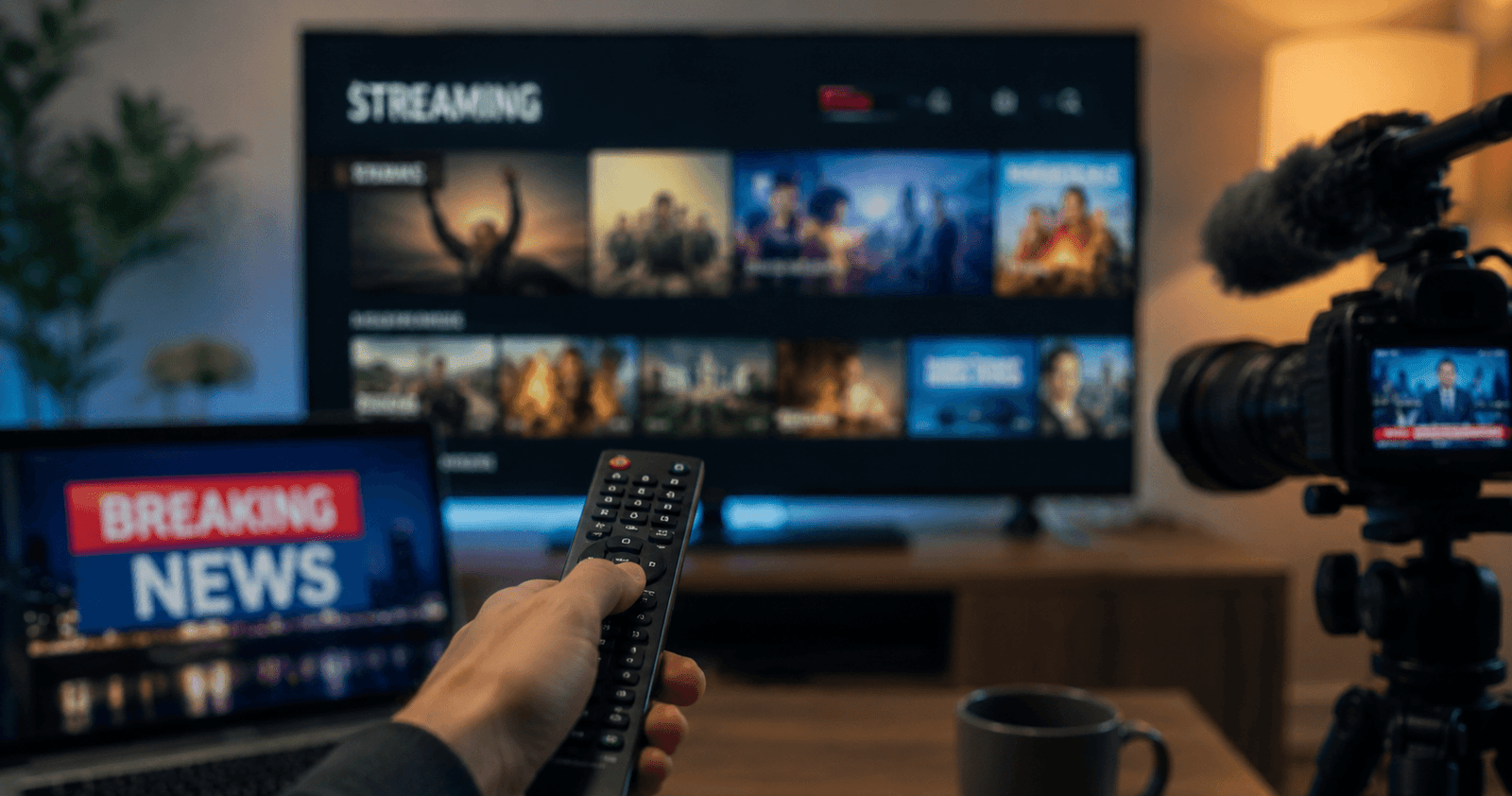
Television coverage has transformed significantly as streaming platforms have reshaped how audiences discover and watch shows. Understanding this shift, along with the traditional elements of TV coverage that remain, helps readers follow television news in its current form.
From Weekly Episodes to Binge Releases
Streaming platforms popularized releasing entire seasons at once, fundamentally changing the rhythm of television coverage. Instead of sustained weekly conversation building episode by episode, coverage now often concentrates around a show’s premiere weekend and, later, reactions to its finale, with some platforms experimenting with hybrid release models that combine elements of both traditional weekly rollout and full-season availability.
The Business of Streaming Platforms
Streaming services compete heavily on exclusive content and subscriber growth, making the business side of television an increasingly significant part of coverage. Reporting in this area tracks subscriber numbers, content spending, and platform strategy, since these business decisions directly shape what kind of programming gets made and how it reaches audiences.
Traditional Broadcast and Cable Television
Despite the rise of streaming, traditional broadcast and cable television continue to play a significant role, particularly for live events, news programming, and certain long-running scripted series. Coverage of this segment often focuses on ratings trends and the ongoing competitive pressure traditional networks face as viewing habits continue shifting toward streaming platforms.
Renewals, Cancellations, and Show Lifecycles
Decisions about renewing or canceling a show carry significant weight for both audiences and industry observers, since these decisions reflect a platform’s assessment of a show’s performance and value. Coverage of renewal and cancellation news often generates strong audience reaction, particularly for shows with passionate fan bases, making this a recurring and closely followed storyline.
Awards and Critical Recognition
Television awards ceremonies recognize outstanding work across acting, writing, and production, offering another significant wave of coverage separate from a show’s initial release. These recognitions can boost viewership for shows that may have initially flown under the radar, illustrating how awards coverage continues to shape television’s broader cultural conversation.
Frequently Asked Questions
Why did streaming change how television shows are covered?
Full-season releases shifted audience viewing habits away from weekly episode-by-episode engagement, concentrating coverage around premiere and finale moments instead.
Why does streaming subscriber data matter to television coverage?
Subscriber growth directly influences platform content investment decisions, making it a key indicator of a streaming service’s overall business health and programming strategy.
Does traditional television still matter in a streaming-dominated market?
Yes, broadcast and cable television remain significant for live events and certain programming, even as their overall viewership share continues to face competitive pressure from streaming.
Why do cancellations sometimes generate stronger reactions than renewals?
Passionate fan communities often invest deeply in ongoing storylines, making unexpected cancellations particularly notable and emotionally significant news within entertainment coverage.