

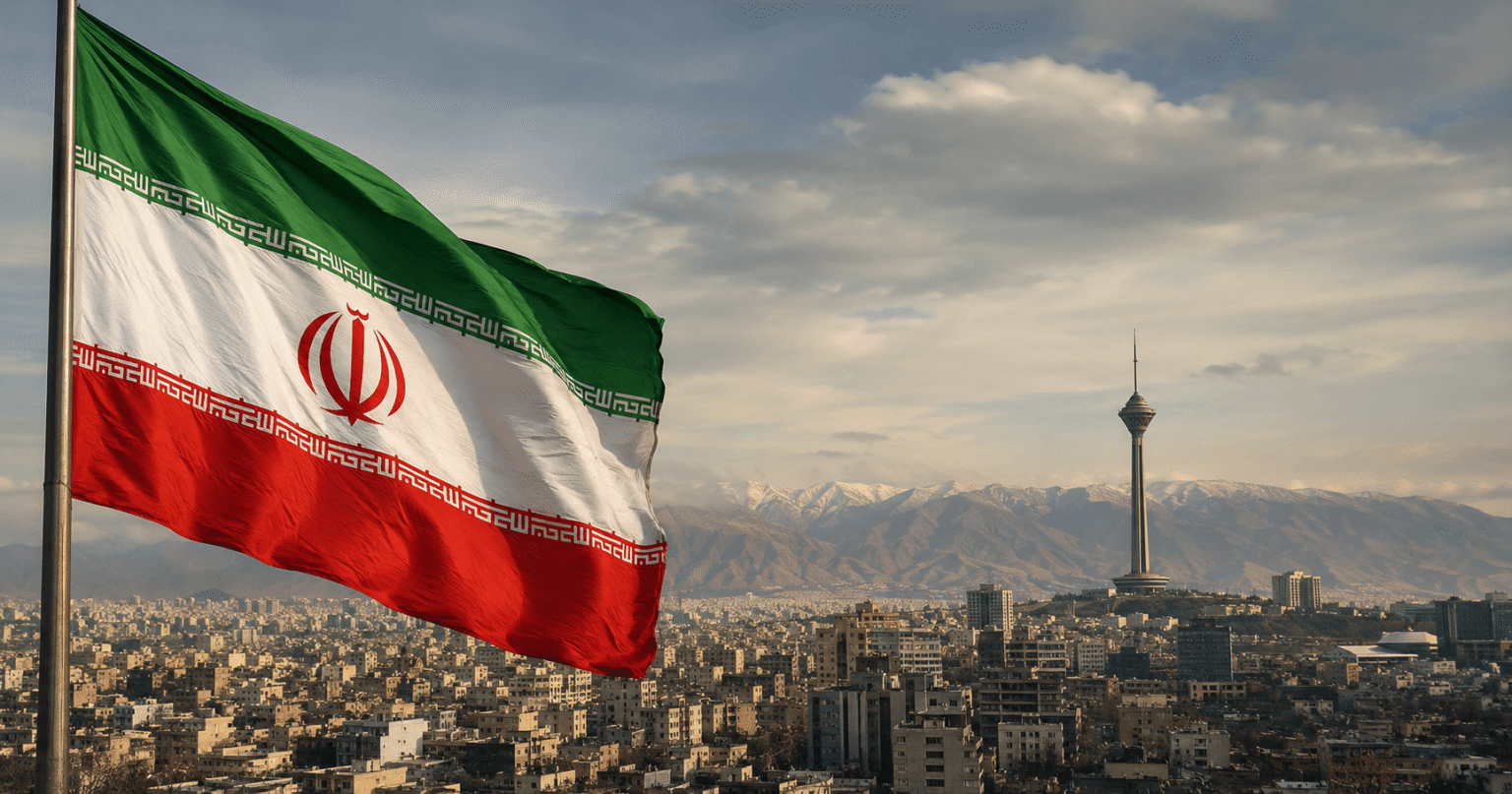

Few regions generate as much sustained international coverage as the Middle East, and Iran sits at the center of many of the stories that shape that coverage. From nuclear negotiations to regional proxy conflicts, understanding the basic dynamics at play helps readers make sense of headlines that can otherwise feel disconnected from one another.
Why Iran Plays Such an Outsized Role in Regional News
Iran’s size, population, and strategic location along the Persian Gulf give it significant influence over regional politics and global energy markets. Since the 1979 revolution that established the country’s current political system, Iran has positioned itself as a major regional power, often in direct tension with neighboring states and Western nations. This long-running friction is why Iran-related coverage rarely disappears from the news cycle for long, even during periods of relative calm.
The Nuclear Program and International Diplomacy
Iran’s nuclear program has been one of the most closely watched diplomatic issues of the past two decades. International negotiations have repeatedly aimed to limit the program in exchange for relief from economic sanctions, with the balance between diplomacy and sanctions shifting depending on the political climate in Iran, the United States, and other involved nations. Coverage of this topic typically tracks negotiation rounds, inspection reports from international monitoring bodies, and statements from involved governments, since even incremental developments can signal a shift in the broader diplomatic relationship.
Regional Alliances and Proxy Dynamics
Much of the Middle East’s recent history has involved competition between regional powers playing out through alliances with smaller states and non-state groups. Coverage of these dynamics requires understanding which countries and groups are aligned with which broader coalition, since a localized conflict can quickly draw in outside powers with their own strategic interests. This is why seemingly regional stories often carry significant implications for global energy markets and international security arrangements.
Sanctions and Their Economic Ripple Effects
Economic sanctions have been a central tool used by Western governments in response to Iran’s nuclear program and regional activities. Sanctions coverage tends to explain which sectors of Iran’s economy are affected, how the country adapts to reduced access to international markets, and the broader effect on global oil supply, since Iran remains a major oil producer even under sanctions. These economic pressures often factor directly into diplomatic negotiations, since sanctions relief is typically used as leverage in talks over the nuclear program.
How to Follow Middle East Coverage Responsibly
Middle East reporting can be especially prone to rapid, unverified claims during periods of active conflict, making careful sourcing particularly important. Readers benefit from relying on established news organizations with correspondents or verified sourcing in the region, being cautious of unverified social media footage, and understanding the historical background of a given dispute before drawing conclusions from a single event. Because so many regional stories are connected to decades-long rivalries, a longer-term perspective is usually more useful than reacting to any single headline in isolation.
Why does Iran’s nuclear program remain such a major international issue?
A nuclear-capable Iran would significantly shift the regional balance of power, which is why international negotiations and monitoring have remained a priority for governments around the world for decades.
How do sanctions affect ordinary people in Iran?
Sanctions can restrict access to international banking, trade, and certain goods, which often affects everyday economic conditions, employment, and prices within the country, beyond their intended political targets.
Why do regional conflicts in the Middle East often involve outside powers?
Many countries and coalitions have strategic, economic, or security interests in the region, particularly related to energy resources and regional stability, which frequently draws outside involvement into local disputes.
What’s the best way to stay informed without getting misinformation?
Rely on established news organizations with a track record of verified regional reporting, and treat viral, unverified claims with caution until confirmed by multiple credible sources.