

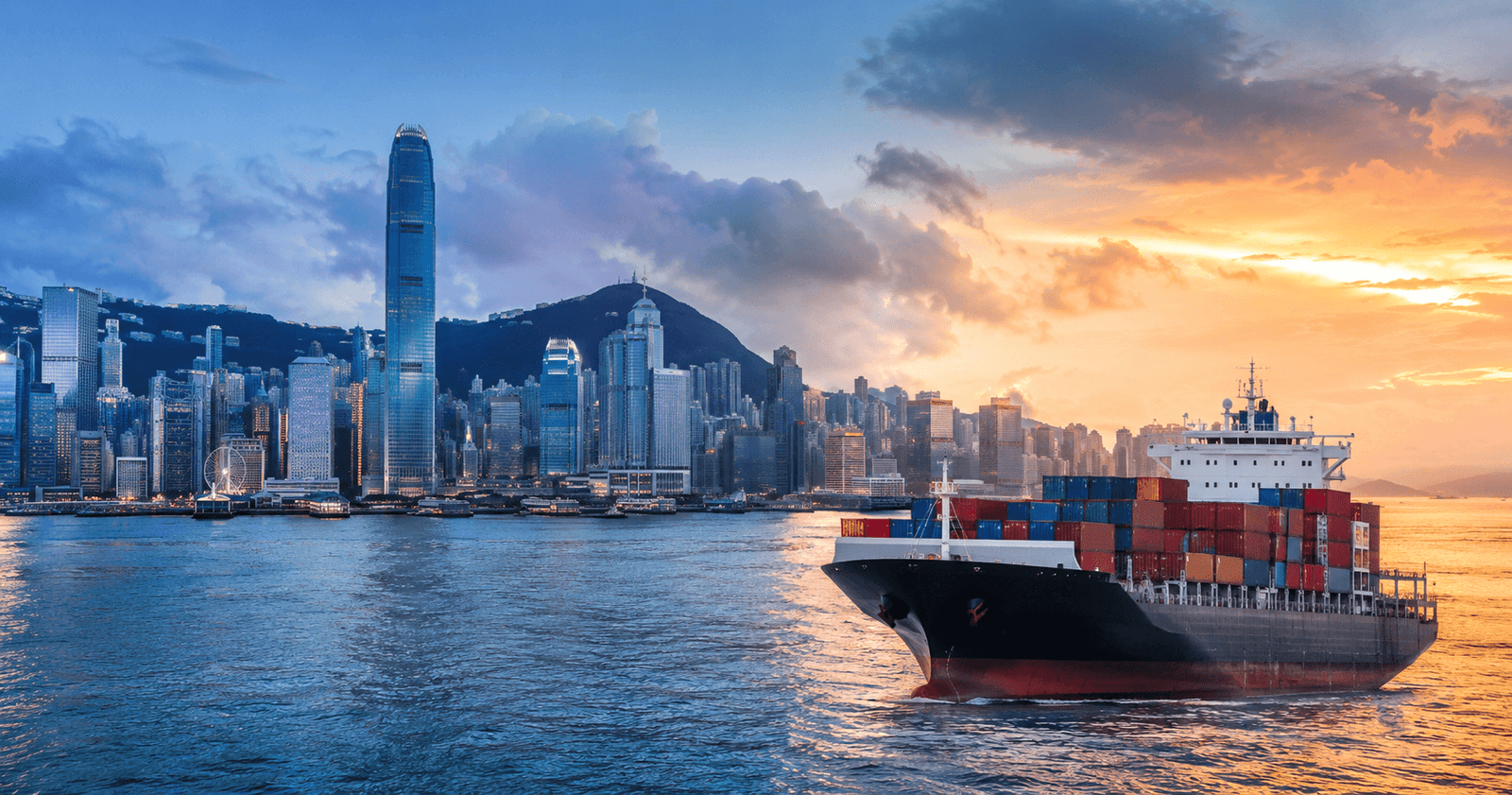

The Asia-Pacific region spans some of the world’s largest economies, most populous nations, and most strategically significant waterways, making it a consistent focus of international coverage. From economic growth to territorial disputes, understanding the region’s key dynamics helps readers make sense of a steady stream of complex, interconnected stories.
An Engine of Global Economic Growth
Asia-Pacific economies collectively represent a substantial share of global economic output, driven by a mix of established industrial powers and rapidly developing markets. Business coverage of the region tends to track manufacturing trends, technology sector growth, and trade relationships, since many global supply chains run directly through Asia-Pacific economies. This economic weight is a major reason the region features so prominently in international business and trade reporting.
Strategic Competition and Regional Security
The Asia-Pacific region has become a focal point for strategic competition among major global powers, with countries navigating complex relationships that balance economic interdependence against security concerns. Territorial disputes, particularly involving contested maritime areas, are recurring stories that carry significant implications for regional stability and international shipping routes that much of global trade depends on.
Diverse Political Systems and Development Levels
The region includes established democracies, developing nations, and countries with a wide range of governance systems, all at different stages of economic development. This diversity means that political coverage of the Asia-Pacific region requires careful attention to individual countries rather than broad generalizations, since political dynamics, growth trajectories, and policy priorities can differ dramatically even among neighboring nations.
Technology and Innovation Hubs
Several Asia-Pacific economies have become global leaders in technology manufacturing and innovation, particularly in areas such as semiconductors, electronics, and advanced manufacturing. This concentration of technological capability has made the region strategically important well beyond its immediate economic output, since disruptions to technology supply chains based in the region can have significant ripple effects on industries worldwide.
Natural Disasters and Climate Vulnerability
Many Asia-Pacific nations, particularly island and coastal countries, face significant exposure to natural disasters and the effects of climate change, including typhoons, flooding, and rising sea levels. Coverage of these vulnerabilities often intersects with broader climate and environmental reporting, highlighting both the immediate humanitarian response to disasters and longer-term efforts to build climate resilience across the region.
Why is the Asia-Pacific region so important to global trade?
The region hosts major manufacturing hubs and critical shipping routes, meaning disruptions or growth in Asia-Pacific economies have outsized effects on global supply chains and trade.
Why do territorial disputes in the region receive so much attention?
Many disputed areas involve important shipping lanes and resource-rich waters, making their stability significant for both regional security and global trade.
Why does the region matter so much for technology supply chains?
Several Asia-Pacific economies specialize in critical technology manufacturing, including semiconductors, making global industries highly dependent on stable production in the region.
Are all Asia-Pacific countries equally vulnerable to climate change?
No, vulnerability varies significantly, with low-lying island and coastal nations generally facing greater exposure to rising sea levels and severe weather than inland or higher-elevation countries.