

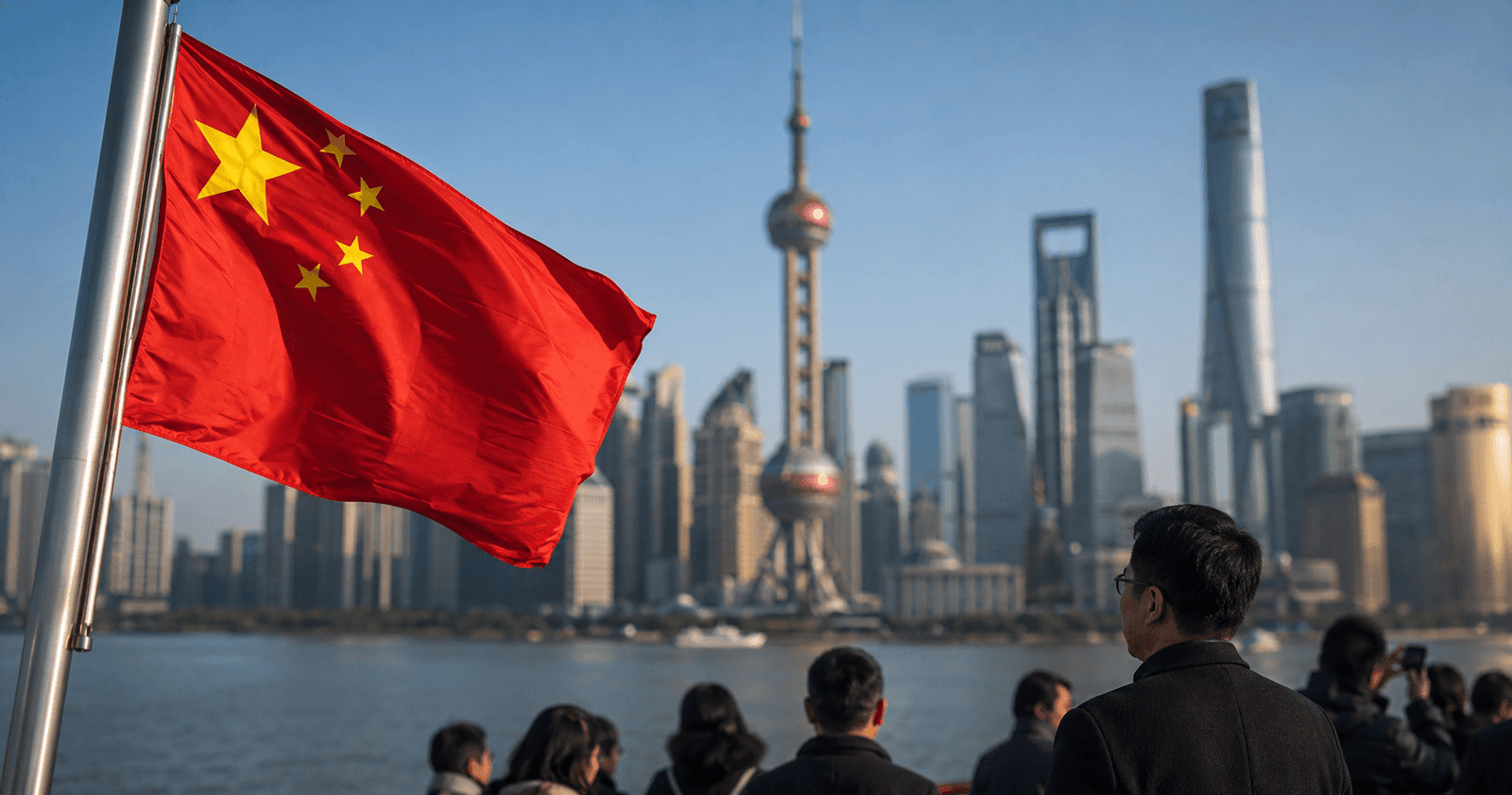

China’s size, economic weight, and global reach make it one of the most consistently covered countries in international news. From trade policy to technological competition, understanding a few key dynamics helps readers follow China-related headlines with more context and less confusion.
The World’s Second-Largest Economy
China’s economy is central to global trade, manufacturing, and supply chains, which is why Chinese economic data, from growth figures to manufacturing output, regularly makes international business news. Coverage tends to track how policymakers in Beijing manage growth, debt levels, and the country’s ongoing transition from an export-driven manufacturing economy toward one that also emphasizes domestic consumption and advanced technology industries.
Trade Relationships and Global Supply Chains
Because so much of the world’s manufacturing runs through Chinese supply chains, trade policy involving China has outsized effects on global business. Tariff disputes, export controls, and negotiations over trade terms with major economic partners are recurring stories, since shifts in these relationships can affect the price and availability of goods far beyond China’s own borders. Businesses around the world closely watch this coverage because supply chain disruptions originating in China can quickly affect industries on the other side of the planet.
Technology Competition and Innovation
China has become a major global player in technology development, including areas such as electric vehicles, telecommunications infrastructure, and artificial intelligence. This has led to growing competition, and at times friction, with other major economies over issues like technology export restrictions and data security. Coverage of this competition often blends business, political, and national security reporting, since technology leadership is increasingly viewed as a matter of strategic importance by governments around the world.
Regional Influence Across Asia-Pacific
China’s economic and military growth has reshaped the balance of power across the wider Asia-Pacific region, influencing everything from regional trade agreements to territorial disputes with neighboring countries. Coverage of these regional dynamics often connects to broader diplomatic stories, since many countries in the region are balancing economic ties with China against security relationships with other major powers.
Reading China Coverage With Context
Because China’s political and economic system differs significantly from many Western democracies, readers benefit from understanding some basic context about how decisions are made and information is controlled within the country. This helps in evaluating the reliability of different types of information, including official statements, state media reporting, and independent analysis from outside observers, each of which can offer a different, and sometimes conflicting, picture of the same underlying story.
Why does China’s economic data get so much attention globally?
China’s role in global manufacturing and trade means that shifts in its economy can ripple through supply chains and markets worldwide, making its economic data closely watched by businesses and investors everywhere.
Why are technology export restrictions such a major story?
Restrictions on the export of advanced technology reflect growing concerns among governments about national security and long-term strategic competition, making these policies significant beyond their immediate business impact.
How does China’s influence affect other Asia-Pacific countries?
Many countries in the region depend heavily on trade with China while also maintaining security relationships with other powers, creating a balancing act that frequently shapes regional diplomatic coverage.
How can I evaluate the reliability of news coming out of China?
Comparing state media reporting with independent international coverage, and understanding the broader political context, helps readers form a more balanced picture of complex or sensitive stories.