

European news coverage today is shaped heavily by questions of security and economic resilience following Russia’s full-scale invasion of Ukraine in 2022, alongside longer-running stories about the European Union’s role in coordinating policy across member states. Understanding these overlapping storylines makes it easier to follow the steady stream of headlines coming out of the continent.
Security Cooperation in a Changed Landscape
European security policy has shifted significantly in recent years, with many countries increasing defense spending and strengthening cooperation through organizations like NATO. Coverage in this area tends to track defense budget decisions, military aid to Ukraine, and broader debates about how much European nations should invest in independent defense capabilities versus relying on long-standing alliances. These stories often carry significant political weight domestically, since defense spending decisions compete with other budget priorities in many European countries.
Energy Policy and the Push for Independence
Energy security became a major European story after the war in Ukraine disrupted traditional energy trade relationships with Russia. Many countries accelerated efforts to diversify energy sources, expand renewable energy capacity, and reduce dependence on any single supplier. Coverage of this shift includes both the immediate economic effects, such as changes in household energy costs, and longer-term policy debates about how quickly the continent can transition to more diverse and sustainable energy sources.
The European Union’s Balancing Act
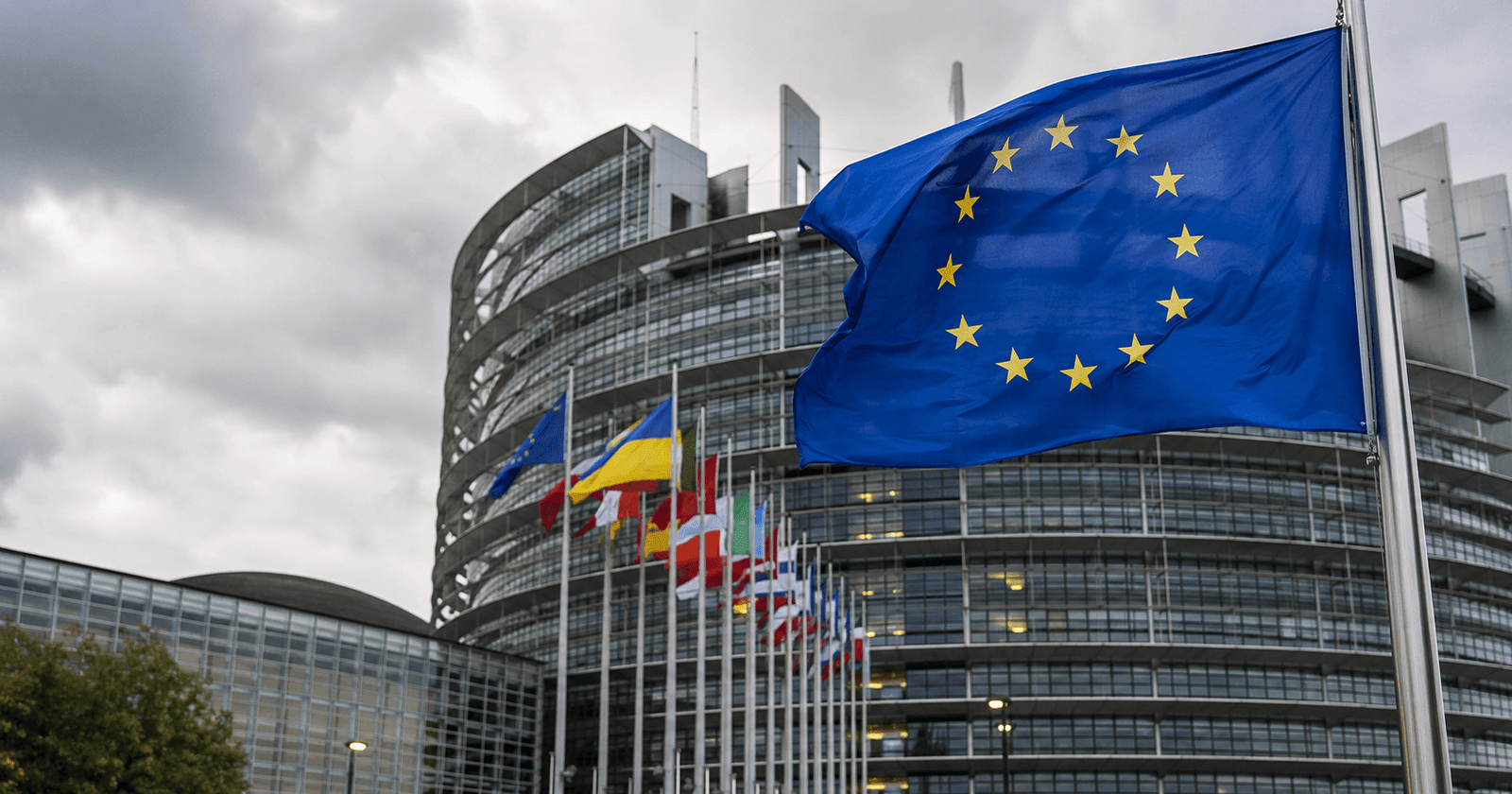
The European Union coordinates policy across dozens of member states with different economic conditions, political priorities, and public sentiment, which makes EU-level decision-making a recurring and often complex news story. Coverage frequently focuses on how the union balances the interests of larger, wealthier economies against those of smaller or less economically developed member states, particularly on issues like fiscal policy, immigration, and regulatory standards that apply across the entire bloc.
Economic Recovery and Inflation
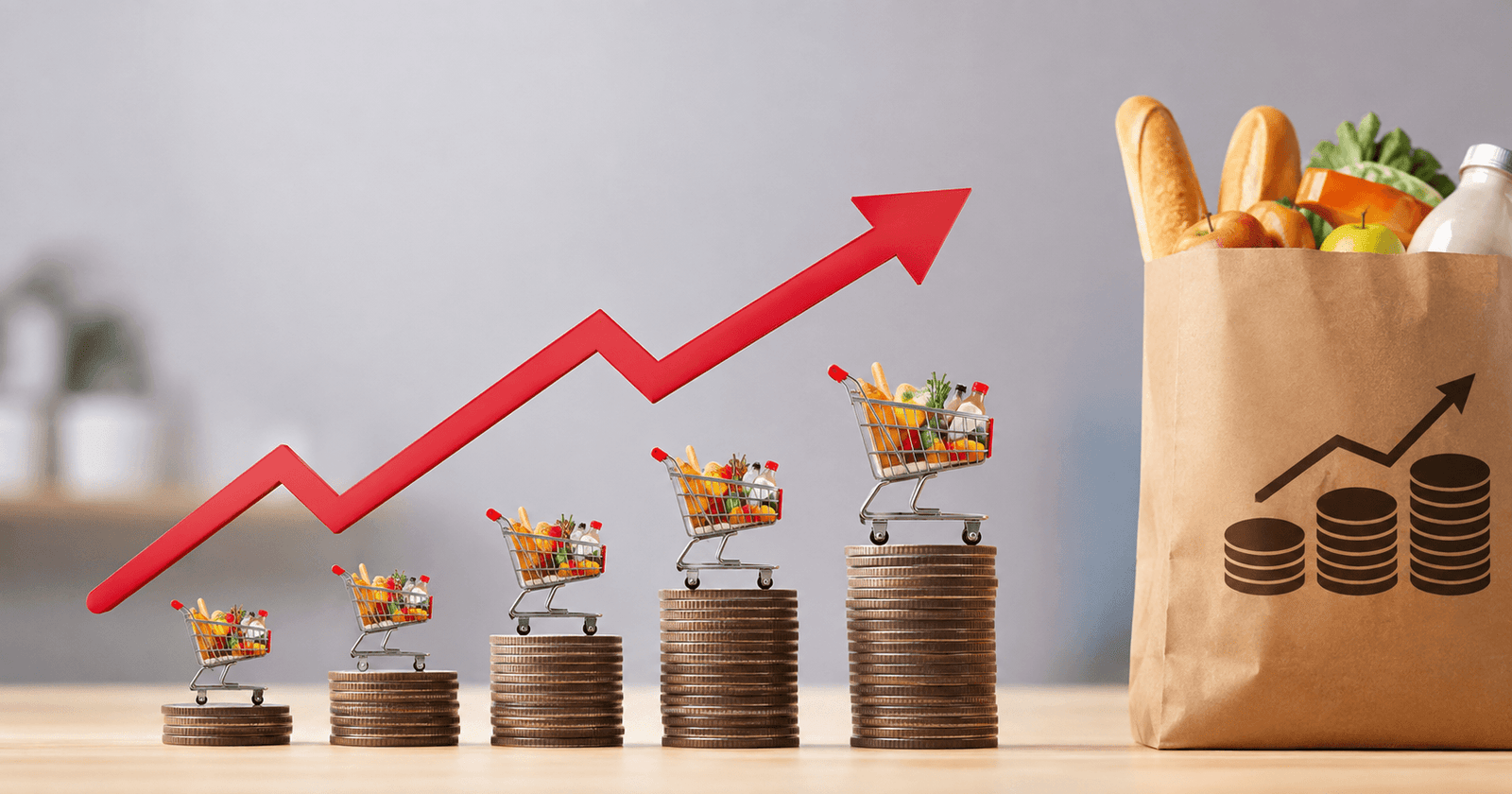
European economies have navigated a difficult stretch involving elevated inflation, energy cost pressures, and slower growth in some of the continent’s largest economies. Coverage of this topic typically follows central bank policy decisions, government responses aimed at supporting households and businesses, and how individual countries compare in their pace of economic recovery, since conditions can vary significantly even among neighboring European states.
Political Trends Across the Continent
European politics has seen shifting voter coalitions across many countries, with elections regularly producing new governing arrangements. Coverage of these political trends often examines how issues like immigration, economic policy, and security concerns are reshaping traditional political alignments, offering insight into broader shifts in public opinion across the region.
Why has European defense spending increased in recent years?
Heightened security concerns following Russia’s invasion of Ukraine have led many European governments to boost military budgets and strengthen alliance-based defense cooperation.
How did the war in Ukraine affect European energy policy?
The war disrupted established energy trade relationships, prompting many countries to diversify suppliers and accelerate investment in renewable and alternative energy sources.
Why is it hard for the EU to reach unified policy decisions?
Member states have different economic conditions and political priorities, and many major EU decisions require broad consensus, making coordinated policymaking a slower, more complex process.
Are economic conditions similar across all of Europe?
No, economic performance varies significantly between countries, so it is important to look at country-specific data rather than assuming uniform conditions across the entire continent.