

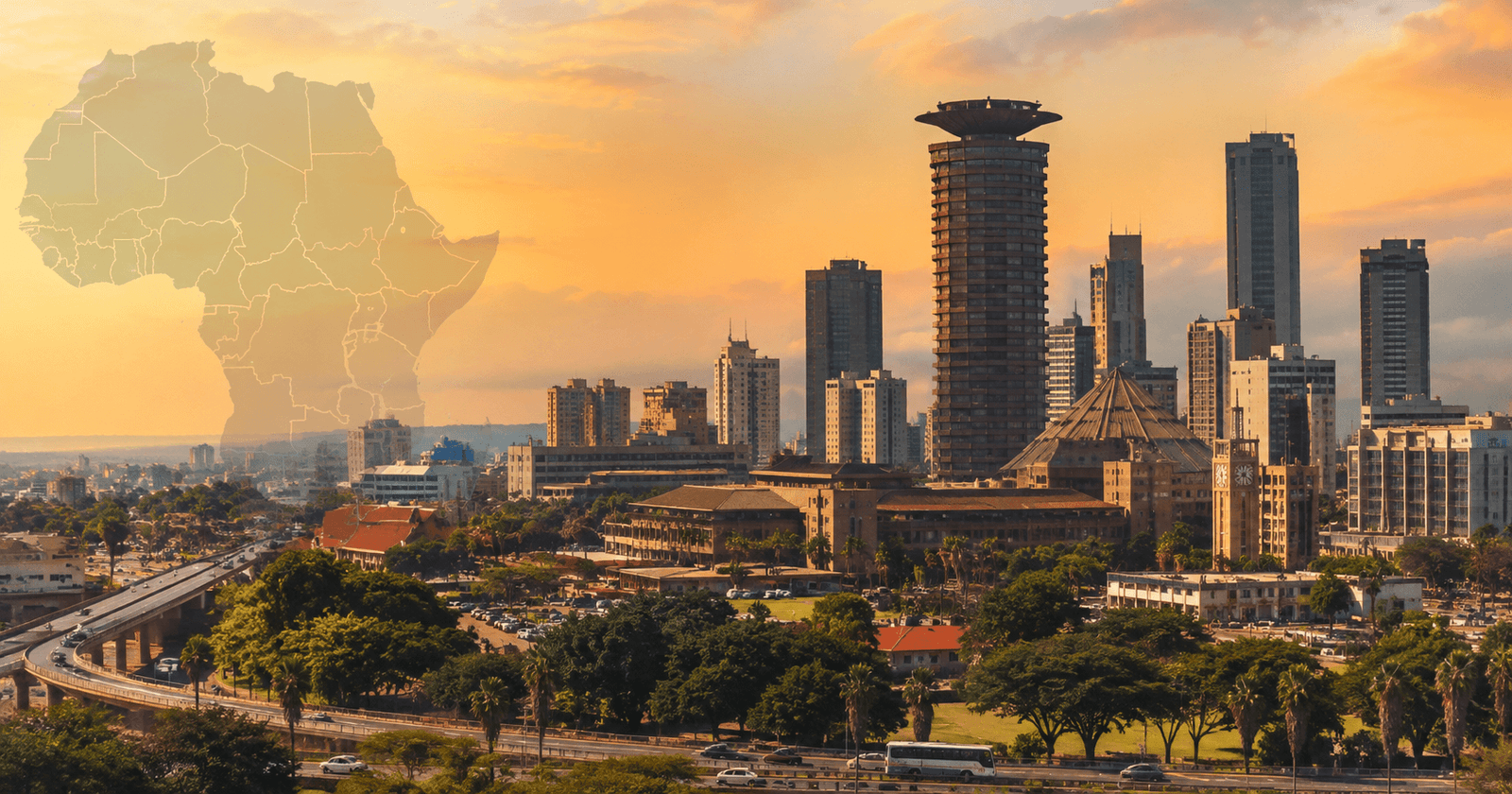

Africa is home to 54 countries, more than a billion people, and some of the fastest-growing economies and populations in the world, yet international coverage of the continent has historically been thinner than coverage of other regions. That is changing as Africa’s growing economic and geopolitical significance draws more sustained attention. Understanding the major storylines helps readers follow this coverage with more context.
A Young, Fast-Growing Population
Africa has the youngest population of any continent, with a large share of people under the age of 25. This demographic reality shapes nearly every aspect of coverage, from education and employment policy to the growth of digital industries aimed at young, tech-savvy consumers. Population growth also means African cities are expanding rapidly, creating both economic opportunity and significant infrastructure challenges that regularly appear in regional reporting.
Economic Growth and Digital Innovation
Several African economies have posted strong growth in recent years, driven in part by expanding digital and mobile technology sectors. Mobile banking, in particular, has grown rapidly across parts of the continent, in some cases leapfrogging traditional banking infrastructure entirely. Business coverage of Africa increasingly focuses on this kind of innovation, alongside more traditional stories about natural resource industries, agriculture, and the ongoing effort to diversify economies that have historically depended heavily on commodity exports.
Governance and Political Development
Political coverage of Africa spans a wide range of governance systems, from stable, long-established democracies to countries navigating more difficult political transitions. Election coverage, constitutional debates, and questions about the balance between central and regional governance are recurring themes, reflecting the fact that many African nations are still working through governance structures established relatively recently in historical terms, following independence movements in the mid-twentieth century.
Regional Partnerships and Global Relationships
African nations increasingly coordinate through regional and continental organizations aimed at boosting trade and political cooperation across borders. At the same time, major global powers have expanded their economic and diplomatic engagement with African countries, competing for influence through investment, infrastructure projects, and trade agreements. This growing international interest is one of the clearest signs of Africa’s rising importance in global affairs.
Moving Beyond a Single Narrative
One of the biggest challenges in African coverage is avoiding the trap of treating 54 diverse countries as a single, uniform story. Conditions in a rapidly growing coastal economy can look completely different from those in a landlocked nation facing political instability. Readers benefit from paying close attention to which specific country a story concerns, and from seeking out coverage that reflects the continent’s genuine economic and political diversity rather than relying on broad generalizations.
Why is Africa’s population growth significant for global news?
A young, rapidly growing population shapes labor markets, education needs, and consumer trends, all of which have implications not just for Africa but for the global economy as businesses look to emerging markets.
Why has mobile banking grown so quickly in parts of Africa?
In regions with limited traditional banking infrastructure, mobile technology has allowed many people to access financial services directly through phones, bypassing the need for physical bank branches.
Why are global powers increasing investment in Africa?
Africa’s growing markets, natural resources, and strategic importance have made the continent an increasing priority for international investment and diplomatic engagement.
Is it accurate to describe Africa as a single political or economic story?
No, the continent includes 54 countries with very different political systems, economies, and levels of development, so coverage is most accurate when it addresses specific countries rather than the continent as a whole.