





Election coverage in the United States never truly pauses, and the 2026 midterm cycle brings its own set of storylines, from control of Congress to closely watched state races. Understanding the structure of a midterm election year helps readers follow the coverage as it develops.
What Makes a Midterm Election Different
Midterm elections take place halfway through a president’s four-year term and determine control of Congress, along with numerous state and local offices. Unlike presidential election years, midterms tend to draw lower voter turnout, which can make outcomes more sensitive to which groups of voters are most motivated to participate. Historically, midterm elections have often served as a referendum on the sitting president’s performance, though the degree to which that pattern holds can vary from cycle to cycle.
Control of the House and Senate
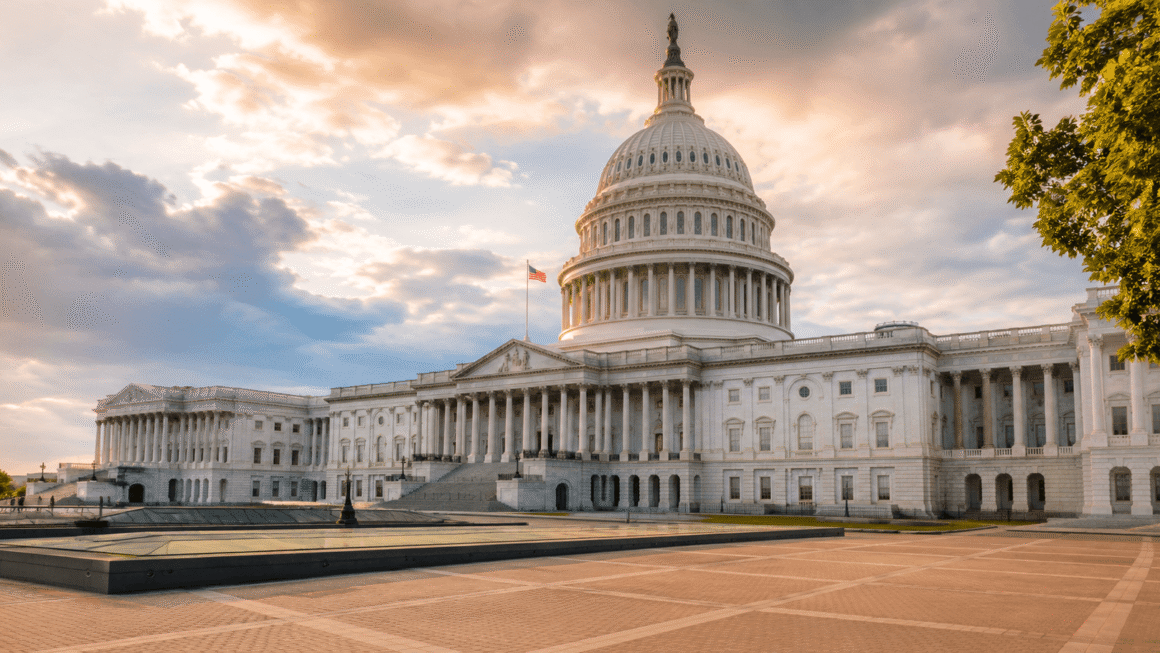
Because the entire House of Representatives and roughly a third of the Senate are up for election, midterm results can significantly reshape the balance of power in Congress. Coverage typically tracks competitive races in swing districts and states, since these contests are most likely to determine which party controls each chamber going into the second half of a presidential term.
Governor and State Legislative Races
Midterm cycles also include a significant number of state-level races, including governorships and state legislative seats, which carry major implications for policy areas primarily controlled at the state level, such as education, healthcare regulation, and, in the wake of the Dobbs decision, abortion policy. These races often receive less national attention than congressional contests but can have an outsized effect on the daily lives of state residents.
Key Issues Shaping the Campaign
Midterm campaigns tend to center on a mix of national and local concerns, often including the economy, healthcare, immigration, and public safety, alongside issues specific to individual states or districts. Coverage of candidate positions and campaign messaging on these issues gives voters a clearer sense of the practical policy stakes involved in a given race.
How to Follow Election Coverage Responsibly
As with any election cycle, readers benefit from tracking polling trends across multiple sources rather than reacting to a single survey, paying attention to official candidate and campaign statements, and verifying claims about voting procedures through official state election resources rather than unverified social media posts. Given how quickly campaign narratives can shift, following coverage from established, non-partisan sources helps maintain a clearer picture of the actual state of a race.
Why do midterm elections often go against the president’s party?
Midterms have historically tended to favor the party out of power, often reflecting voter dissatisfaction with the current administration, though this pattern does not hold in every election cycle.
How many Senate seats are typically up for election in a midterm?
Roughly a third of the Senate’s seats are contested in any given election cycle, since senators serve staggered six-year terms.
Why do state races matter as much as federal races in a midterm?
Many significant policy areas, including education and healthcare regulation, are controlled primarily at the state level, making governor and state legislative races highly consequential for residents.
Where can voters find reliable information about the 2026 elections?
Official state election websites and established, non-partisan news organizations are generally the most reliable sources for accurate voting procedures and verified race results.