

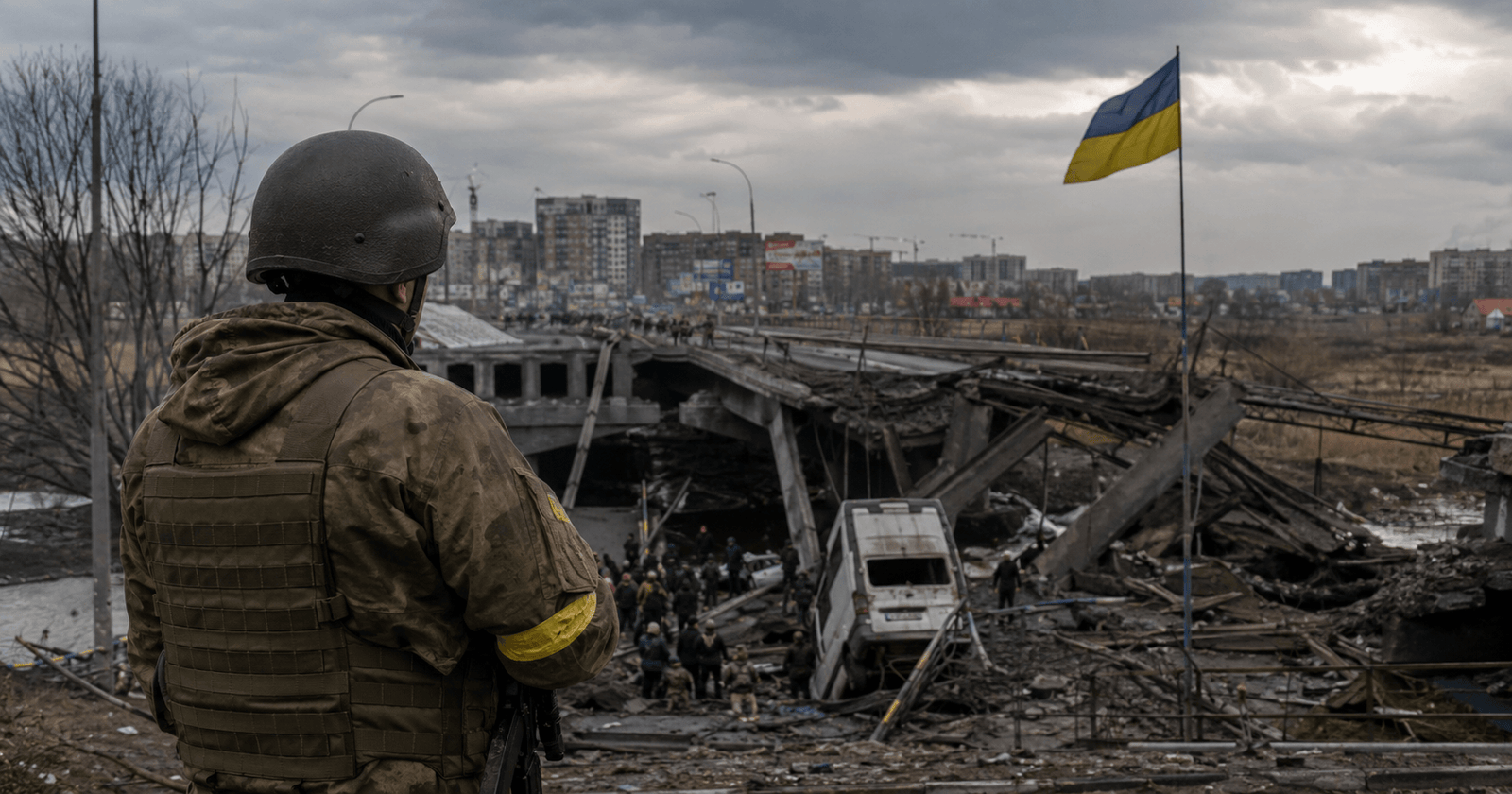

Russia’s full-scale invasion of Ukraine in February 2022 became one of the defining international stories of the decade, reshaping European security, global energy markets, and diplomatic alliances. Because the conflict has continued for years and touches so many areas of policy, understanding its major dimensions helps readers follow ongoing coverage more effectively.
How the Conflict Escalated
Tensions between Russia and Ukraine had simmered for years before the 2022 invasion, rooted in disputes over Ukraine’s political direction, its relationship with Western institutions, and Russia’s objections to Ukraine’s potential alignment with NATO and the European Union. The full-scale invasion marked a dramatic escalation from earlier, more limited conflict in eastern Ukraine, transforming a regional dispute into a war with major implications for the entire international system.
The Military and Humanitarian Dimensions
Coverage of the war tracks front-line developments, military strategy, and the significant humanitarian toll, including displacement of civilians and damage to infrastructure. Military aid from Western countries to Ukraine has been a consistent storyline, with coverage often focusing on what types of equipment and support are being provided, and how that assistance affects the balance of the conflict. Humanitarian reporting, meanwhile, focuses on the human cost of the war, including the experiences of displaced families and the challenges of rebuilding affected communities.
The Global Economic Fallout
The war disrupted global energy and food markets, given Russia and Ukraine’s significant roles in supplying oil, natural gas, and grain to international markets. Sanctions imposed on Russia by Western nations have reshaped global trade patterns, prompting Russia to deepen economic ties with other countries while Western economies adjusted their own energy and trade strategies. These economic ripple effects have been felt well beyond the immediate conflict zone, influencing prices and policy decisions around the world.
Diplomatic Efforts and the Search for a Resolution
Various diplomatic efforts have sought to negotiate an end to the fighting, though finding terms acceptable to both sides has proven difficult given the scale of territorial and security disputes involved. Coverage of diplomatic developments typically tracks the involvement of international mediators, proposed ceasefire terms, and the positions of key allies on both sides, since any lasting resolution will likely require significant international coordination.
Why the War Reshaped Global Security Thinking
Beyond its direct effects, the war prompted many countries to reassess their own defense postures and alliances, contributing to increased military spending across Europe and renewed debate about the future of international security arrangements. This broader shift in security thinking is likely to influence global politics well beyond the immediate resolution of the conflict itself.
When did the current phase of the Russia-Ukraine war begin?
Russia launched a full-scale invasion of Ukraine in February 2022, though tensions and more limited conflict in eastern Ukraine date back to 2014.
How has the war affected global energy prices?
The conflict disrupted established energy trade routes, particularly in Europe, contributing to price volatility and prompting many countries to diversify their energy sources.
Why has it been difficult to reach a diplomatic resolution?
Deep disagreements over territorial control, security guarantees, and long-term political arrangements have made it difficult for both sides to agree on terms acceptable to each.
How has the war affected security policy outside the immediate region?
Many countries, particularly in Europe, have increased defense spending and reevaluated their security strategies in response to the conflict, reflecting broader concerns about regional stability.