

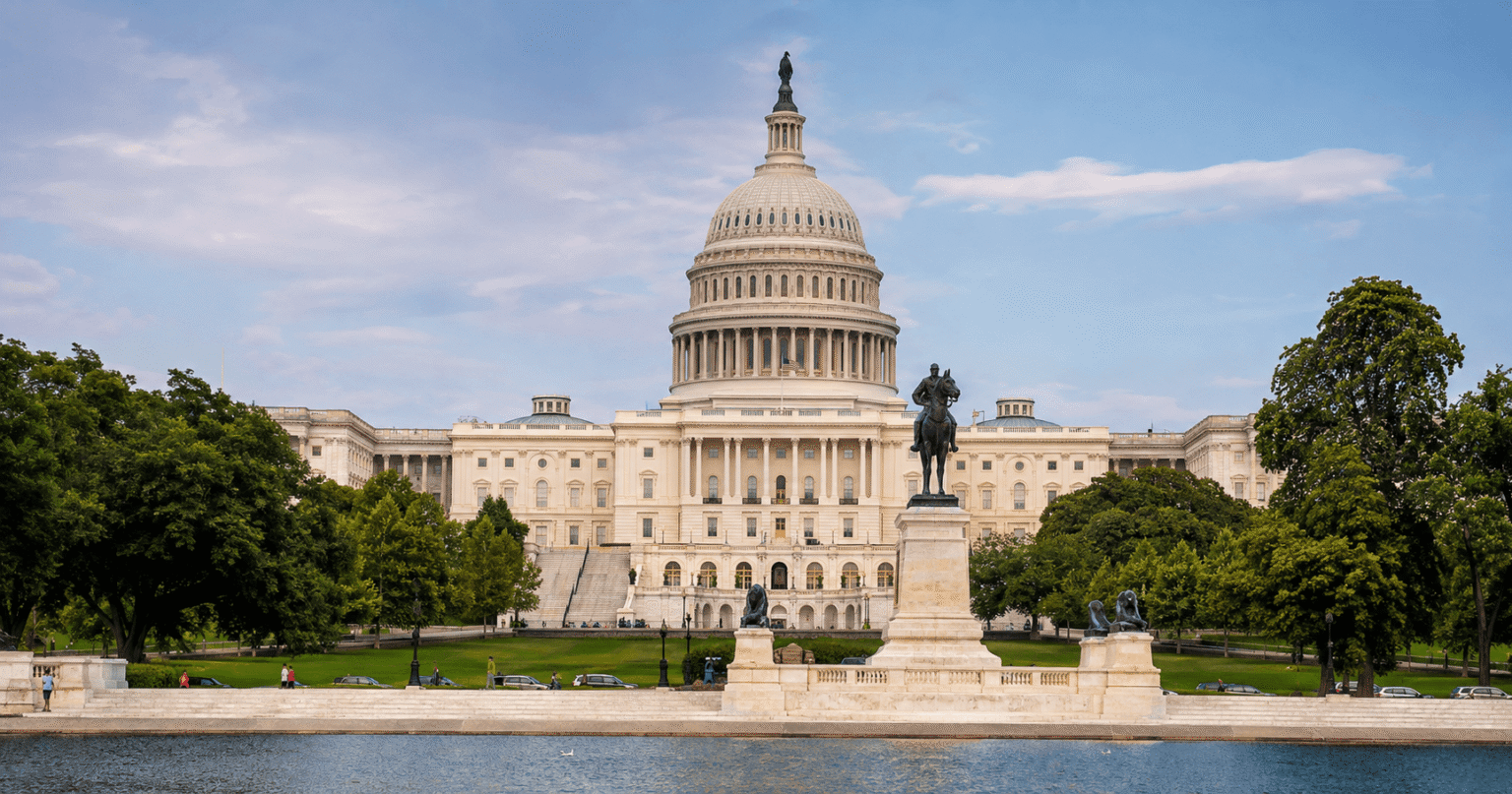

Political news can be difficult to follow if you do not have a clear picture of how the American system actually works. Between the White House, Congress, the Supreme Court, and a nonstop election cycle, it helps to understand the basic structure before trying to make sense of the daily headlines. This guide breaks down the main institutions and recurring storylines that shape U.S. political coverage.
The Three Branches, in Plain Terms
The U.S. government is built around three branches designed to check one another. The executive branch, led by the president and the White House staff, enforces laws and sets national policy priorities. The legislative branch, made up of the House of Representatives and the Senate in Congress, writes and passes laws, approves budgets, and can override or block presidential actions. The judicial branch, topped by the Supreme Court, interprets laws and the Constitution, and can strike down actions taken by the other two branches. Most major political stories involve some interaction, or conflict, between these three centers of power.
Why Congress Coverage Can Feel So Complicated
Congress is often the hardest branch to follow because it involves 535 elected members across two chambers, each with their own committees, procedures, and party leadership structures. Bills typically move through committees before reaching a full vote, and the Senate’s rules, including the use of the filibuster, mean that many pieces of legislation need broad bipartisan support to pass. Coverage of Congress tends to focus on high-profile votes, budget negotiations, and confirmation hearings for judges and top officials, since these moments often determine whether a president’s agenda can actually become law.
The White House and the Reach of Presidential Power
White House coverage tracks not only the president’s public statements and policy announcements, but also the actions of the executive branch’s many agencies, which implement regulations covering everything from the environment to workplace safety. Presidents can also act unilaterally through executive orders, though these can be challenged in court or reversed by a future administration, which is why so much coverage focuses on the durability of any given policy change rather than just the initial announcement.
The Supreme Court’s Growing Role in Political Coverage
The Supreme Court has increasingly become a central figure in political news, since its rulings can reshape entire areas of policy, from voting rules to regulatory authority. Because justices serve lifetime appointments, coverage of nominations and confirmation hearings tends to be intense, given that a single appointment can influence the court’s direction for decades. Readers following political news benefit from understanding not just what the court decided, but the legal reasoning behind a ruling, since that reasoning often signals how the court might approach related cases in the future.
Elections: The Engine of Political News
Election coverage never really stops in the U.S. system, since national, state, and local races are staggered throughout the calendar. Coverage typically ramps up around candidate announcements, primary contests within each party, fundraising totals, and polling trends, before shifting to the general election itself. Understanding the election calendar, including primary dates and the timing of the general election, helps readers anticipate which stories are likely to dominate the news cycle at any given point in the year.
Reading Polls and Political Data With a Critical Eye
Polling data is a regular feature of political coverage, but individual polls can vary based on methodology, sample size, and timing. Reputable polling organizations disclose their methodology and margin of error, and it is generally more reliable to look at trends across multiple polls, often summarized in polling averages, rather than reacting to any single survey. The same caution applies to other political data, such as fundraising figures or approval ratings, which are useful indicators but rarely tell the whole story on their own.
Frequently Asked Questions
Why does the U.S. have midterm elections?
Midterm elections occur halfway through a president’s four-year term and determine control of Congress, giving voters a chance to influence the balance of power without waiting for the next presidential election.
What is the difference between a primary and a general election?
A primary election determines which candidate will represent a political party, while the general election is the final vote where candidates from different parties compete for the office itself.
Why can the Senate block legislation that passes the House?
Both chambers must pass identical legislation for it to become law, and Senate rules, including the filibuster, often require a supermajority to advance a bill, making it harder to pass than in the House.
How can I follow political news without getting overwhelmed?
Focus on understanding the underlying institutions and processes first, then follow a small number of major, ongoing storylines rather than trying to track every individual news cycle.