


“Business ideas” is one of the most searched phrases in the world, and for good reason: more people are starting side hustles, freelance work, and small companies than ever before. The hard part is not finding an idea — it is finding one that actually fits your budget, your skills, and real market demand. This guide walks through dozens of proven business ideas by category, how to validate one before you spend a dollar, and the exact legal steps to make it official.
What Makes a Good Business Idea in 2026
Not every idea is worth building. Before you commit time or money, a good business idea should generally check most of these boxes:
- Real demand: People are already searching for, paying for, or complaining about the lack of this product or service.
- Low starting cost relative to your budget: You can test it without draining your savings.
- A repeatable process: You can deliver the product or service more than once without reinventing it every time.
- A clear first customer: You can picture exactly who buys this and why, not just a vague audience.
- Room to grow: The idea can expand from one client or product to many without a total rebuild.
How to Choose the Right Business Idea for You
The best business idea is not always the most popular one — it is the one that fits your situation. Ask yourself:
- What skills do I already have that people pay for?
- How much money can I afford to lose if this does not work?
- How many hours a week can I realistically commit?
- Do I want to work with people directly (services) or build something that runs without me (products, digital assets)?
- Am I solving a problem I have personally experienced, or one I have only read about?
Ideas built around your own frustration with a problem tend to succeed more often, because you already understand the customer better than anyone else does.
Best Low-Cost Business Ideas Under $500
These ideas need little more than a laptop, a phone, or basic tools you may already own.
- Freelance writing or editing: Businesses constantly need blog posts, product descriptions, and email copy.
- Virtual assistant services: Help small business owners with email, scheduling, and admin work remotely.
- Social media management: Run Instagram, TikTok, or Facebook pages for local businesses that do not have time.
- Pet sitting or dog walking: Low overhead, steady demand, and easy to start in your own neighborhood.
- Tutoring or test-prep coaching: Especially strong for math, English, coding, and standardized tests.
- Cleaning services: Homes and small offices both need regular cleaning, and startup costs are mostly your own time and basic supplies.
- Handmade goods on Etsy: Jewelry, candles, printables, and craft items can start with materials you already have.
- Photography for small businesses: Product photos, headshots, and local event coverage are always in demand.
- Resume and LinkedIn profile writing: A skill many job seekers will pay for, especially during hiring seasons.
- Local errand or delivery service: Grocery pickup, package drop-offs, or moving small items for elderly or busy clients.
Best Online and Remote Business Ideas
These ideas can be run entirely from a laptop, which also makes them a natural fit if you are considering working while traveling under a digital nomad visa.
- Freelance web design or development: Small businesses always need websites built, fixed, or updated.
- Online courses and coaching: Package your expertise into a course, cohort, or one-on-one coaching program.
- Affiliate content sites: Build a niche website or YouTube channel and earn commission recommending products.
- Print-on-demand stores: Sell custom-designed t-shirts, mugs, and posters without holding inventory.
- Email newsletter business: Build an audience around one topic and monetize through sponsorships or paid subscriptions.
- Bookkeeping and accounting services: Small businesses regularly outsource this instead of hiring in-house.
- Podcast production services: Editing, show notes, and distribution for creators who do not have time to do it themselves.
- SEO and content marketing consulting: Help small businesses get found on Google, the same way this article was built.
- Translation and localization services: Growing demand as more businesses sell across borders.
- Software-as-a-service micro-tools: Build one small tool that solves one specific, recurring problem for a niche audience.
Best Service-Based Business Ideas
- Landscaping and lawn care: Recurring seasonal income with relatively low equipment costs to start.
- Personal training or fitness coaching: Can start with clients at a local park before renting any space.
- Event planning: Weddings, corporate events, and birthday parties all need coordination.
- Home organizing and decluttering: A growing niche driven by minimalism and moving trends.
- Mobile car detailing: You go to the customer instead of them coming to a shop, which cuts overhead.
- Interior design consulting: Many homeowners want guidance but cannot afford a full design retainer.
- Elder care and companion services: Rising demand as populations age across most developed countries.
- Handyman or small home repair services: Consistent demand in nearly every neighborhood.
Best Product-Based and E-commerce Business Ideas
- Niche dropshipping stores: Sell a focused product category without holding inventory yourself.
- Subscription boxes: Curate recurring shipments around a specific interest, from coffee to skincare.
- Private label products: Put your own branding on an existing manufactured product.
- Local food or baked goods business: Farmers markets and local delivery apps make this easier to start small.
- Eco-friendly or sustainable products: Growing consumer demand for reusable and low-waste alternatives.
- Custom furniture or woodworking: Higher margins for buyers who want something unique, not mass-produced.
- Specialty food products: Sauces, spice blends, and baked goods with a strong personal story sell well online.
- Refurbished electronics or furniture resale: Buy undervalued items, restore them, and resell for a profit margin.
Side Hustle Ideas You Can Start While Employed
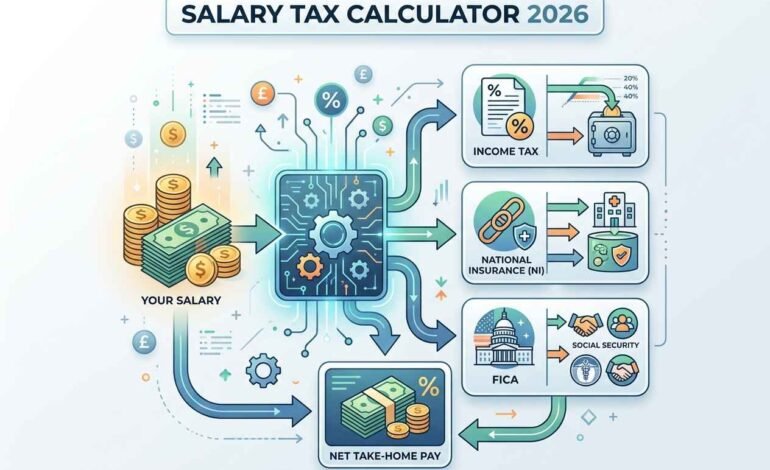
These work well if you want to test a business idea before leaving a full-time job, and pair naturally with knowing your exact after-tax take-home pay so you know how much runway you actually have.
- Weekend rideshare or delivery driving: Flexible hours around an existing schedule.
- Selling stock photography or design templates: Passive income built from work you create once.
- Renting out a spare room or parking space: Turns unused space into predictable monthly income.
- Freelance graphic design on evenings and weekends: Logos, social media graphics, and packaging design.
- Reselling thrifted or clearance items online: Low starting capital, quick learning curve.
- Consulting in your current industry: Offer paid advice in the field you already work in, outside your employer’s hours.
- Language tutoring online: Especially strong if you are bilingual or fluent in a widely studied language.
- Building and selling digital templates: Budget spreadsheets, resume templates, and planner designs sell repeatedly with no extra work per sale.
Business Ideas by Investment Level
Matching an idea to your actual budget matters more than picking the “best” idea on paper. Here is a rough guide to what fits where:
- Under $500: Freelance services, tutoring, pet sitting, virtual assistant work, social media management, and most digital services that only require your time and a laptop.
- $500 to $5,000: Small e-commerce stores, print-on-demand with paid ad testing, mobile detailing with basic equipment, and simple online courses with professional production.
- $5,000 to $25,000: Franchise units with lower entry costs, food trucks, small retail pop-ups, and service businesses that require licensed equipment or a work vehicle.
- $25,000 and up: Brick-and-mortar retail, full restaurant concepts, larger franchises, and manufacturing-based product businesses.
A useful rule: start at the lowest investment level that can still test your core idea, then reinvest profits to move up a tier rather than borrowing heavily before you have any paying customers.
Business Ideas for Specific Life Situations
The right idea often depends less on the industry and more on the constraints of your current life stage.
For Students
Tutoring, freelance writing, social media management for local businesses, and campus-based services (like laundry pickup or textbook resale) fit around class schedules and require almost no capital.
For Stay-at-Home Parents
Home-based childcare, virtual assistant work, Etsy shops, and tutoring allow flexible hours that can be built around a family schedule without a commute.
For Career Changers
Consulting in your previous industry is often the fastest path, since you already have the credibility and network that a brand-new founder would spend years building.
For Retirees
Consulting, coaching, craft businesses, and part-time local services work well for retirees who want supplemental income without the pace of a full-time company.
For Immigrants and Digital Nomads
Location-independent online businesses — freelancing, e-commerce, and consulting — are often the most practical starting point when you are also managing visa status or planning a move under a digital nomad visa, since income does not depend on being tied to one physical location.
How to Write a Simple One-Page Business Plan
You do not need a 40-page document to get started. A one-page plan should answer six questions clearly enough that a stranger could understand your business in under two minutes:
- Who is your customer? Be specific — not “everyone,” but a clear type of person or business.
- What problem are you solving for them? State it the way the customer would describe it, not in marketing language.
- What is your offer? The exact product or service, in one or two sentences.
- How will you reach customers? Name the one or two channels you will actually use first, not every possible channel.
- What will you charge? A specific price or pricing range, not “we’ll figure it out later.”
- What does success look like in 90 days? A concrete number, such as revenue or number of customers.
This exercise usually takes less than an hour and forces the kind of clarity that a longer, more formal plan often buries in detail.
How to Validate a Business Idea Before You Invest
- Talk to 10 potential customers before building anything. Ask about their current problem, not your solution.
- Check search demand for your product or service using free keyword tools to see if people are already looking for it.
- Look at existing competitors. Competition is usually a good sign that a market exists, not a reason to avoid it.
- Sell before you build. Take pre-orders, run a simple landing page, or offer the service manually before investing in tools or inventory.
- Start with a small, paid pilot. A handful of paying customers tells you more than a hundred people saying they “might” buy.
How to Legally Start Your Business
- Choose a business structure — sole proprietorship, LLC, partnership, or corporation — based on liability protection and tax treatment.
- Register your business name with your state, especially if you are operating under a name different from your own.
- Get a federal tax ID (EIN) if you plan to hire employees or open a business bank account. The IRS EIN application is free and usually takes minutes.
- Open a separate business bank account to keep personal and business finances apart from day one.
- Check local licenses and permits required for your specific industry and city.
- Set up basic bookkeeping before your first sale, not after your first tax season.
For a full walkthrough of every step, the U.S. Small Business Administration’s official Business Guide is free and regularly updated.
How to Fund Your Business Idea
- Bootstrapping: Funding the business yourself from savings or early revenue, which keeps full ownership and control.
- Friends and family loans: Fast to access, but should still be documented in writing to protect relationships.
- Small business loans: Bank and SBA-backed loans for businesses with a track record or solid business plan.
- Microloans and community lenders: Smaller loan amounts aimed at very early-stage or underserved entrepreneurs.
- Crowdfunding: Useful for product-based businesses that can show a working prototype or strong pre-launch story.
- Grants: Often industry-specific or targeted at particular groups of founders, and do not need to be repaid.
Free and Low-Cost Tools to Start Your Business
You do not need an expensive software stack to launch. Most early-stage businesses can run on a handful of free or low-cost tools:
- Website and landing pages: Free or low-cost website builders are enough for a simple one-page site until revenue justifies a custom build.
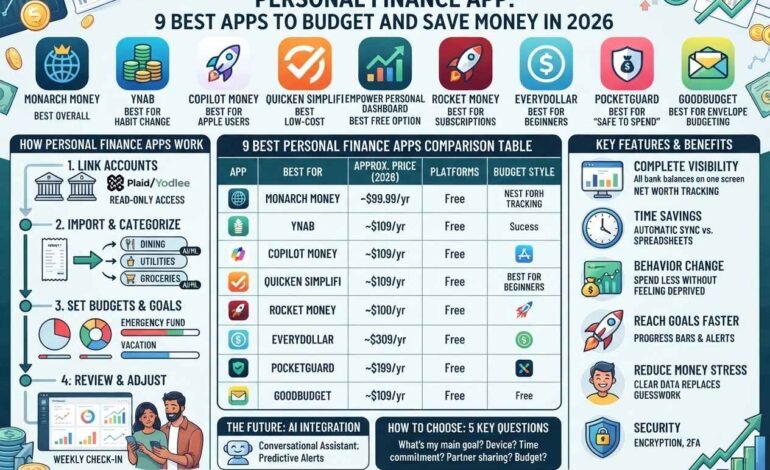
- Invoicing and bookkeeping: Free-tier invoicing tools and basic spreadsheet templates can handle your first year of transactions.
- Scheduling: Free booking tools remove the back-and-forth of manually scheduling clients or consultations.
- Payments: Most payment processors charge only a small percentage per transaction, with no upfront cost, so you only pay once you are actually earning.
- Design: Free design tools cover logos, social graphics, and basic marketing materials without hiring a designer early on.
- Email marketing: Most email platforms offer a free tier up to a certain number of subscribers, which is usually enough for the first several months.
The goal in the early stage is to spend money on things that directly bring in customers, and use free tools for everything else until the business proves it can sustain the upgrade.
Common Mistakes New Business Owners Make
- Building before validating. Spending months on a product nobody confirmed they would pay for.
- Underpricing out of fear. Pricing too low to compete often signals low quality instead of attracting more customers.
- Mixing personal and business finances. Makes taxes harder and hides whether the business is actually profitable.
- Trying to serve everyone. A narrow, well-defined audience is easier to market to than a broad, vague one.
- Ignoring cash flow. A business can be profitable on paper and still run out of cash if payments are delayed.
- Skipping the legal basics. Operating without the right registration or licenses can create bigger problems later.
- Waiting for the perfect logo or website. Polishing the brand before you have a single paying customer delays the only feedback that actually matters.
- Doing everything alone for too long. Trying to be the founder, marketer, accountant, and support team at once usually slows growth instead of saving money.
Business Categories Growing Fastest Right Now
While almost any well-run business can succeed, a few broad categories are seeing outsized demand heading into 2026:
- AI-assisted services: Businesses that help other small companies use AI tools for content, customer service, or operations — without the client needing to learn the technology themselves.
- Health and wellness coaching: Demand for personal trainers, nutrition coaches, and mental wellness services continues to grow as more people prioritize preventative health.
- Senior and elder care services: Aging populations across North America, Europe, and parts of Asia are driving steady, long-term demand for companion care, transportation, and home support.
- Sustainable and low-waste products: Reusable goods, refill stations, and eco-conscious packaging are appealing to a growing segment of environmentally aware shoppers.
- Pet services: Pet ownership has climbed steadily worldwide, and spending on pet care, grooming, and specialty food shows no sign of slowing down.
- Skills-based online education: Short, practical courses that teach a specific skill quickly tend to outperform broad, generic course topics.
None of these categories guarantee success on their own — the fundamentals covered earlier in this guide (validating demand, pricing correctly, and managing cash flow) still decide whether a business in a growing category actually survives its first year.
FAQs
What is the easiest business to start with no money?
Service-based ideas that only require your time, such as freelance writing, virtual assistant work, tutoring, or social media management, need the least upfront cash since you are selling a skill rather than a product.
Which business ideas are most profitable long term?
Businesses with recurring revenue — subscriptions, retainers, and service contracts — tend to be more stable and valuable long term than one-time sales, because income is predictable month to month.
Do I need a business plan before I start?
Not always a formal one. Early on, a simple one-page plan covering your customer, offer, and pricing is usually enough. A detailed plan becomes more important once you are seeking a loan or investor.
Should I start a business alone or with a partner?
It depends on the skills gap. A partner can help if they bring something you genuinely lack, such as technical skills or capital, but shared ownership should always be documented clearly from the start.
How long does it take for a new business to become profitable?
Timelines vary widely by industry, but many small service businesses can become profitable within the first few months, while product-based or inventory-heavy businesses often take longer to recover startup costs.
Can I run a business idea as a side hustle while working full time?
Yes, many of the ideas in this guide are designed to start that way. Just check your current employment contract for any conflict-of-interest or non-compete clauses first.
What business ideas have the lowest failure rate?
Service-based businesses built around a skill you already have tend to fail less often than product-based or trend-driven ideas, mainly because startup costs are lower and you can adjust your offer quickly based on real client feedback.
How do I know if a business idea is oversaturated?
A crowded market is not automatically a bad sign, since it usually confirms demand exists. Look instead at whether you can serve a narrower audience, offer better service, or compete on something other than price — speed, specialization, or a niche competitors are ignoring.
The gap between a business idea and an actual business is almost always action, not information. Pick one idea from this list that matches your budget, skills, and available time, talk to a handful of real potential customers this week, and treat the first version as a test rather than a finished product. The businesses that succeed are rarely the ones with the most original idea — they are the ones that started, sold something small, and adjusted based on what actually happened.