

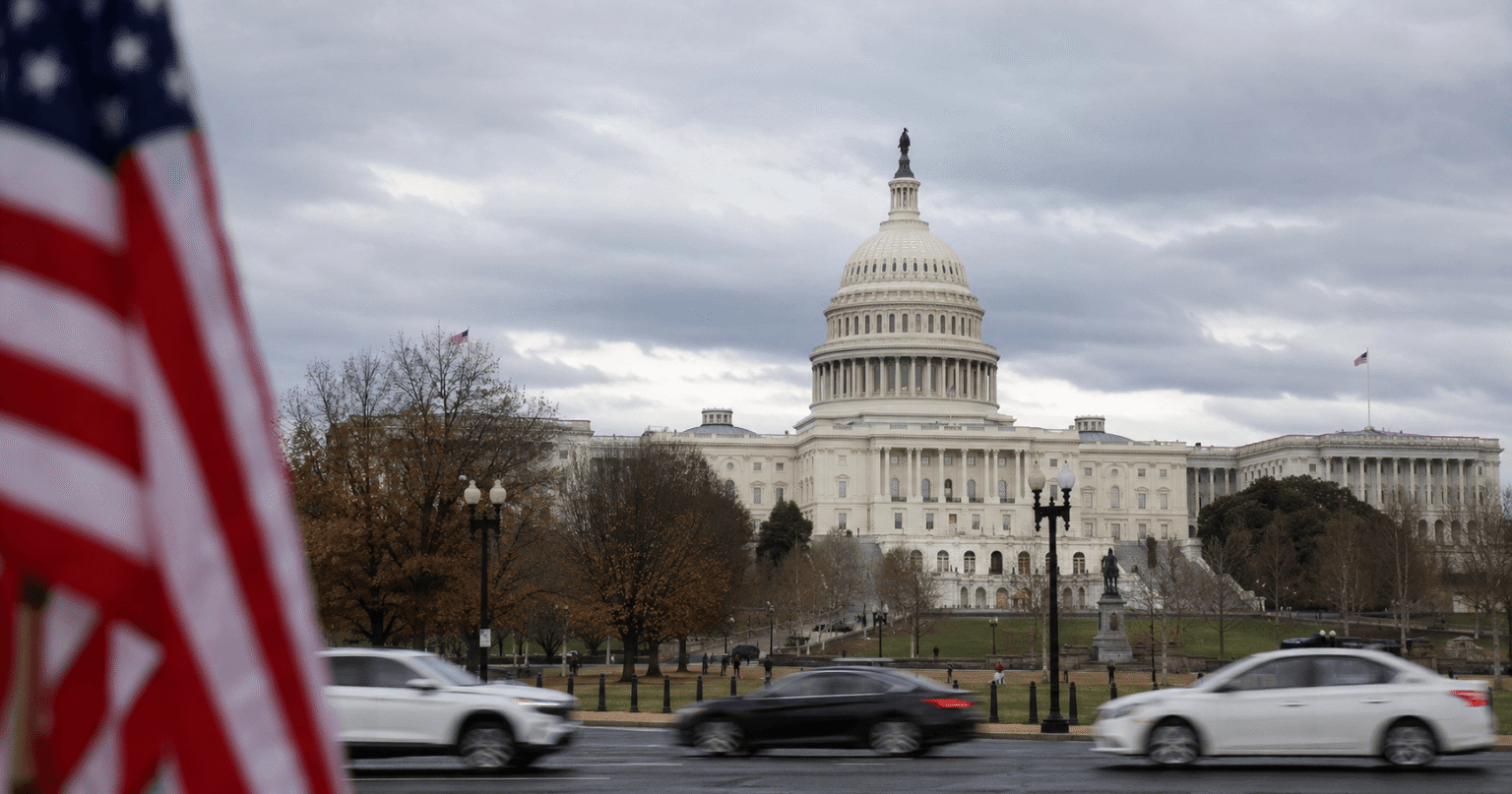

American news coverage spans a country of more than 330 million people, fifty states, and a federal system that divides power between national, state, and local governments. For readers trying to make sense of it all, U.S. news can feel like several different beats rolling into one: government policy, social issues, regional stories, and cultural shifts that often reflect the country’s deep diversity. Understanding how this coverage is organized makes it far easier to follow.
The Structure of U.S. News Coverage
Domestic American reporting typically separates into a few recurring themes. There is federal policy coverage, which follows the White House, Congress, and the Supreme Court as they debate and implement laws affecting the entire country. There is social-issue reporting, which tracks topics such as immigration, education, and healthcare that touch nearly every household. There is regional and state-level coverage, which reflects the fact that many major policy decisions, from education standards to criminal justice, are actually made at the state rather than the federal level. Finally, there is the ongoing coverage of demographic and cultural change, including shifting population patterns, generational differences, and evolving social attitudes.
Why Immigration Remains a Central U.S. Story
Few topics generate as much sustained coverage as immigration. The United States has historically been shaped by waves of immigration, and debates over how to manage borders, process asylum claims, and set legal immigration levels remain a defining feature of American political life. Coverage in this area tends to track legislative proposals, court rulings on immigration enforcement, and the human stories of communities affected by policy changes, since immigration policy has direct consequences for families, employers, and local economies across the country.
Education, Healthcare, and the Issues That Shape Daily Life
Education policy in the United States is largely decided at the state and local level, which is why school funding, curriculum standards, and access to higher education vary widely depending on where a family lives. National coverage tends to focus on broader trends, such as debates over student debt, school choice, and the long-term effects of shifts in how children are educated. Healthcare coverage similarly spans both national policy debates and very local stories about hospital access, insurance costs, and public health outcomes, since the U.S. healthcare system involves a mix of private insurers, employer-provided coverage, and government programs.
Weather, Transportation, and Everyday Infrastructure
Not all U.S. news is about political debate. Weather coverage, particularly around hurricanes, severe winter storms, wildfires, and flooding, plays a major role in domestic reporting because of the direct safety implications for affected communities. Transportation stories, from aviation safety to the state of roads, bridges, and public transit systems, reflect ongoing questions about how the country invests in the infrastructure that everyday life depends on. These stories may not dominate headlines the way political news does, but they often have a more immediate and personal impact on readers.
Social Change and Ongoing Debates
The United States continues to work through long-running debates over civil rights, including questions related to LGBTQ+ rights, reproductive rights, and racial and social equity. These topics tend to generate coverage that spans legal rulings, legislative action at both the state and federal level, and the lived experiences of the communities most affected. Because these issues are often deeply personal and politically contested, careful reporting tries to represent multiple perspectives while clearly documenting the legal and policy facts involved.
How to Read U.S. News Critically
Because the American media landscape includes outlets with a wide range of editorial perspectives, readers benefit from comparing coverage across multiple sources, especially on politically sensitive topics. It helps to distinguish between straight news reporting, which aims to document facts and events, and opinion or commentary, which is intended to argue a particular viewpoint. Paying attention to primary sources, such as official government statements, court documents, or published data, can also help readers form their own judgment rather than relying solely on secondhand interpretation.
Frequently Asked Questions
Why does so much U.S. news focus on Washington, D.C.?
Washington is home to the federal government, including Congress, the White House, and federal agencies, so major national policy decisions are made and announced there, which naturally draws heavy media attention.
Why do U.S. policies vary so much between states?
The United States uses a federal system that divides authority between national and state governments, giving states significant control over areas like education, criminal law, and healthcare regulation, which leads to different rules in different parts of the country.
How can I follow U.S. news without political bias?
Reading straight news reporting from multiple outlets across the political spectrum, checking primary documents when possible, and separating factual reporting from opinion writing are practical ways to build a more balanced understanding.
Why does weather coverage matter as much as political news?
Severe weather events can pose immediate safety risks and cause significant economic damage, so timely, accurate weather coverage plays a critical role in helping communities prepare and respond.