
The strikes follow attacks on commercial tankers and come after a months-long pause in direct hostilities between Washington and Tehran.
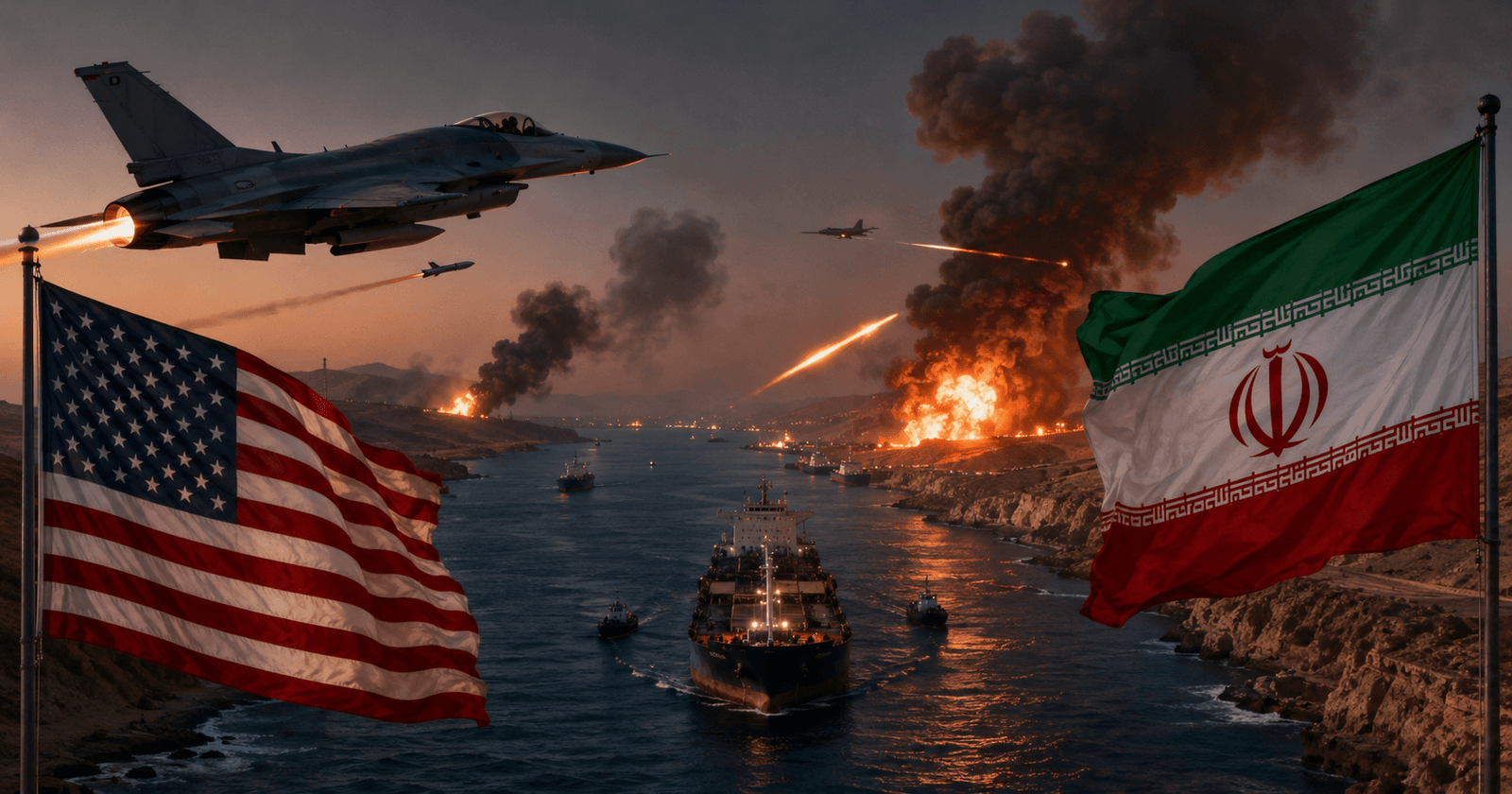
The United States military carried out a new round of strikes against Iranian targets on Tuesday, renewing hostilities in a conflict that has simmered for more than six months. US Central Command said the strikes targeted Islamic Revolutionary Guard Corps (IRGC) positions after commercial tankers came under attack in the Strait of Hormuz.
The action marks the first major exchange between the two countries in roughly a month and comes amid growing concern over the safety of one of the world’s most important oil shipping routes.
WHAT HAPPENED?
According to US Central Command, American forces began striking IRGC-linked targets around midday on Tuesday, following what the command described as attempted attacks by Iranian forces on commercial shipping in the Strait of Hormuz and on US personnel stationed in the region. Iranian state media reported hearing explosions in several southern cities and towns, including Bandar Abbas, Chabahar, Jask and Sirik, as well as on Qeshm Island along the northern side of the strait.
The strikes followed a weekend exchange of fire, the first of its kind since July, and came after two oil tankers were attacked while leaving the strait. President Donald Trump described the American operation as a “large and powerful” strike on Iranian targets, saying it was carried out in retaliation for Iran’s attempt to place additional sea mines in the waterway and for a missile attack aimed at a US base in Jordan earlier in the week.
Iran’s armed forces general staff said it would respond to the strikes, according to reporting from NBC News. Iran’s foreign ministry also alleged that a separate American airstrike on a private home in Kuhestak, in the southern Hormozgan province, killed or wounded more than 50 people who had gathered for a wedding celebration, though Iranian officials later said two people were confirmed killed in the strikes. This claim has not been independently verified.
WHAT OFFICIALS / SOURCES ARE SAYING
US Central Command said the operation targeted IRGC assets directly linked to recent attacks on shipping and American forces in the region. The command did not immediately disclose the number of targets struck or the military assets involved in the operation.
Iran’s Foreign Ministry spokesman said on social media that the strike on the home in Kuhestak came while families were gathered for a wedding celebration, describing the attack as a brutal act against civilians. Authorities in Jordan and the United Arab Emirates said Iranian weapons fired toward their territory were either intercepted or fell without causing damage.
CENTCOM separately dismissed an IRGC claim that it had used sea mines to strike a supertanker in the strait, calling the claim disinformation intended to intimidate regional shipping.
KEY FACTS
- Location: Strait of Hormuz and surrounding areas of southern Iran, including Bandar Abbas, Chabahar, Jask, Sirik and Qeshm Island
- Date: Strikes began around midday Eastern Time on Tuesday, September 1, 2026
- Trigger: Attacks on commercial tankers and an alleged Iranian missile strike on a US base in Jordan
- US response: Strikes on Islamic Revolutionary Guard Corps targets, described by President Trump as “large and powerful”
- Iranian response: Iran’s armed forces said they would retaliate; explosions reported in multiple southern Iranian cities
- Disputed claim: Iran alleges a US strike hit a wedding gathering in Kuhestak; Iranian officials cited two confirmed deaths
WHY THIS MATTERS
The Strait of Hormuz is one of the world’s most critical energy corridors, historically carrying about a fifth of global oil and liquefied natural gas supplies. Renewed fighting around the waterway threatens to further disrupt shipping traffic, which has already fallen sharply below pre-conflict levels. Financial markets reacted to the news, with oil prices rising following the strikes.
The escalation also raises the risk of a wider regional conflict involving US allies such as Jordan and the United Arab Emirates, both of which reported intercepting Iranian projectiles. Continued instability in the strait could affect global energy prices and supply chains for months to come.
BACKGROUND
The US and Iran have been engaged in intermittent hostilities for more than six months, with the Strait of Hormuz emerging as a central flashpoint. The US military recently completed an operation to clear sea mines from international shipping routes in the strait, and officials have said commercial vessel traffic remains well below normal levels. President Trump has repeatedly said the strait remains open, though the volume of ships transiting the waterway has fallen far short of pre-war averages.
WHAT HAPPENS NEXT?
Iran’s armed forces have indicated they intend to retaliate, raising the likelihood of further exchanges in the coming days. US officials, including Treasury Secretary Scott Bessent, have signaled plans to escalate economic sanctions on countries doing business with Iran, though specific details have not yet been released. Trump has warned that Iran would be “hit much harder” should it continue striking back.
LATEST UPDATE
The situation remains fluid, with both sides signaling further action is possible. Officials have not confirmed the full scope of damage or casualties from either side’s strikes, and further details are expected as the conflict continues to develop.