Trump Signs Bill Averting Government Shutdown Ahead of Midterm Elections

The continuing resolution funds federal agencies through December 11, pushing a larger spending battle until after November’s midterm elections.
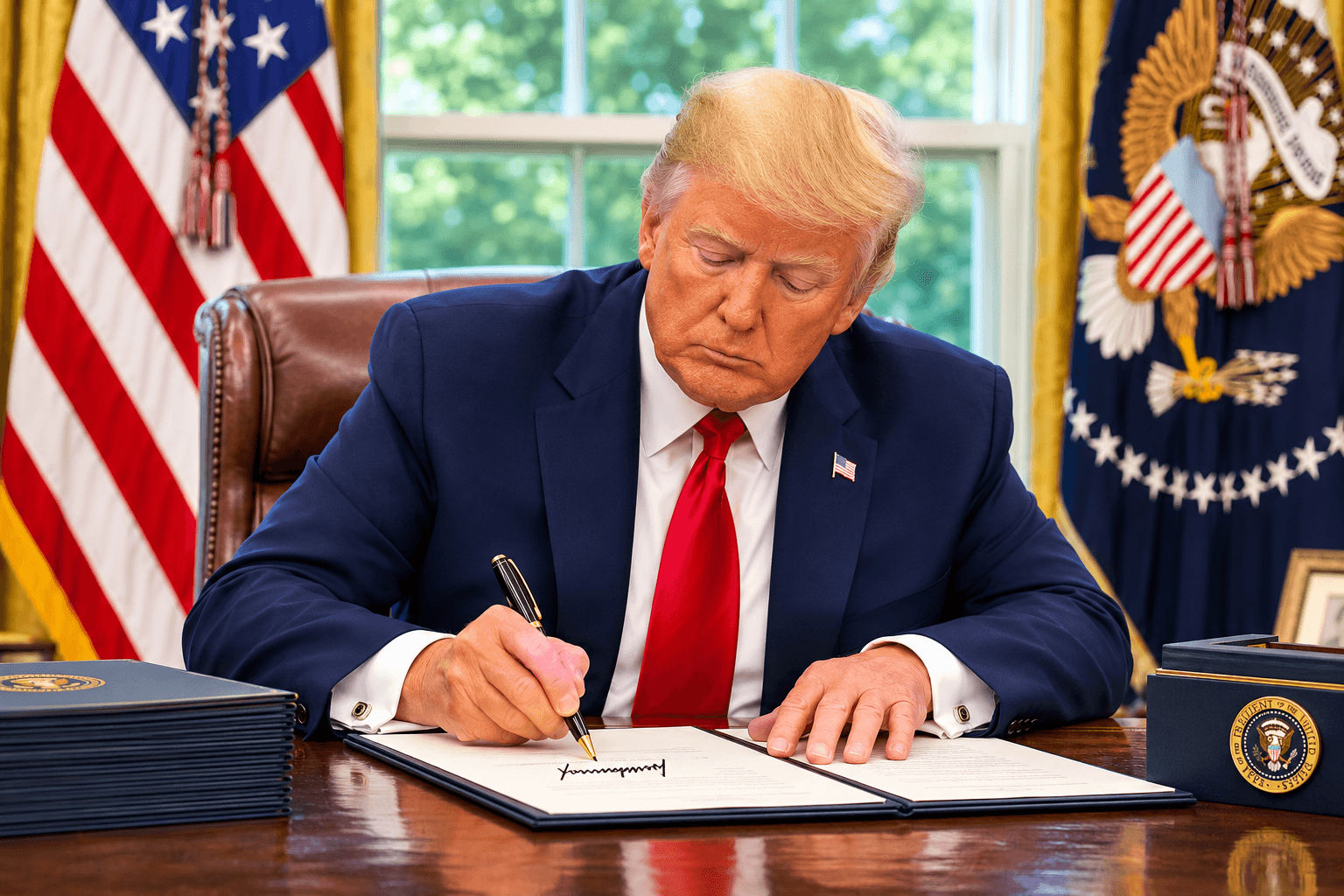
President Donald Trump has signed a short-term government funding bill into law, avoiding a shutdown just weeks before the November midterm elections. The continuing resolution, formally known as the Continuing Appropriations and Extensions Act, 2027, keeps federal agencies funded through December 11.
The bill passed both chambers of Congress with wide bipartisan margins after House Democrats dropped their earlier resistance, ending months of uncertainty over whether another shutdown fight would disrupt government operations ahead of the election.
WHAT HAPPENED?
The House of Representatives passed the continuing resolution on September 1 by a vote of 370-48, with 19 Republicans and 29 Democrats voting against it. The Senate had already advanced the measure by a wide margin the previous month, passing it 90-6. Trump signed the bill into law on the evening of September 2.
The legislation funds federal agencies through December 11, 2026, and extends authority for a range of programs, including surface transportation and veterans’ benefits. It also includes a provision restricting the White House’s ability to politicize the disbursement of federal grants and disaster relief funding, according to reporting from American Banker and National Mortgage News.
WHAT OFFICIALS / SOURCES ARE SAYING
The White House’s Rapid Response team announced the signing on social media, describing the legislation as providing “fiscal year 2027 appropriations to Federal agencies through December 11, 2026, for continuing projects and activities of the Federal Government.”
House Democratic Conference Chairman Pete Aguilar and Representative Rosa DeLauro both voiced support for the measure ahead of the vote, according to The Epoch Times, while some conservative lawmakers, including members of the House Freedom Caucus, expressed frustration over changes made to the bill in the Senate.
KEY FACTS
- Bill name: Continuing Appropriations and Extensions Act, 2027 (H.R. 6500)
- Funding period: Through December 11, 2026
- House vote: 370-48
- Senate vote: 90-6
- Signed into law: September 2, 2026
- Key provision: Extends transportation and veterans’ program authorities; restricts politicized grant disbursement
WHY THIS MATTERS
The bill removes the risk of a shutdown disrupting government services and financial markets in the critical weeks before the midterm elections. Programs that many Americans and businesses rely on, including crop insurance and development grants, will continue operating without interruption. However, the measure only delays a larger fight over full-year spending bills, which lawmakers must now negotiate before the new December deadline, setting up another high-stakes battle in the post-election “lame duck” session of Congress.
BACKGROUND
Government funding fights have been a recurring source of political tension in Washington. Last year, the federal government experienced a 43-day shutdown, and earlier this year the Department of Homeland Security was separately shut down for a period over immigration-related disagreements before reopening through a reconciliation bill. This history added pressure on lawmakers from both parties to avoid a repeat shutdown so close to a major election.
WHAT HAPPENS NEXT?
Congress now faces a compressed timeline to negotiate 12 full-year spending bills covering federal agencies through the end of fiscal year 2027, which began October 1. Lawmakers are expected to resume negotiations after the November midterms, with the December 11 deadline setting up what could be a contentious year-end spending battle.
LATEST UPDATE
The bill has been signed into law and federal agencies remain funded through December 11. Attention now turns to the broader appropriations process, which Congress must complete before the new deadline to avoid a shutdown during the holiday season.