
A Las Vegas jury has delivered the first-ever conviction in the three-decade-old case, finding Duane “Keffe D” Davis guilty of arranging the deadly ambush.
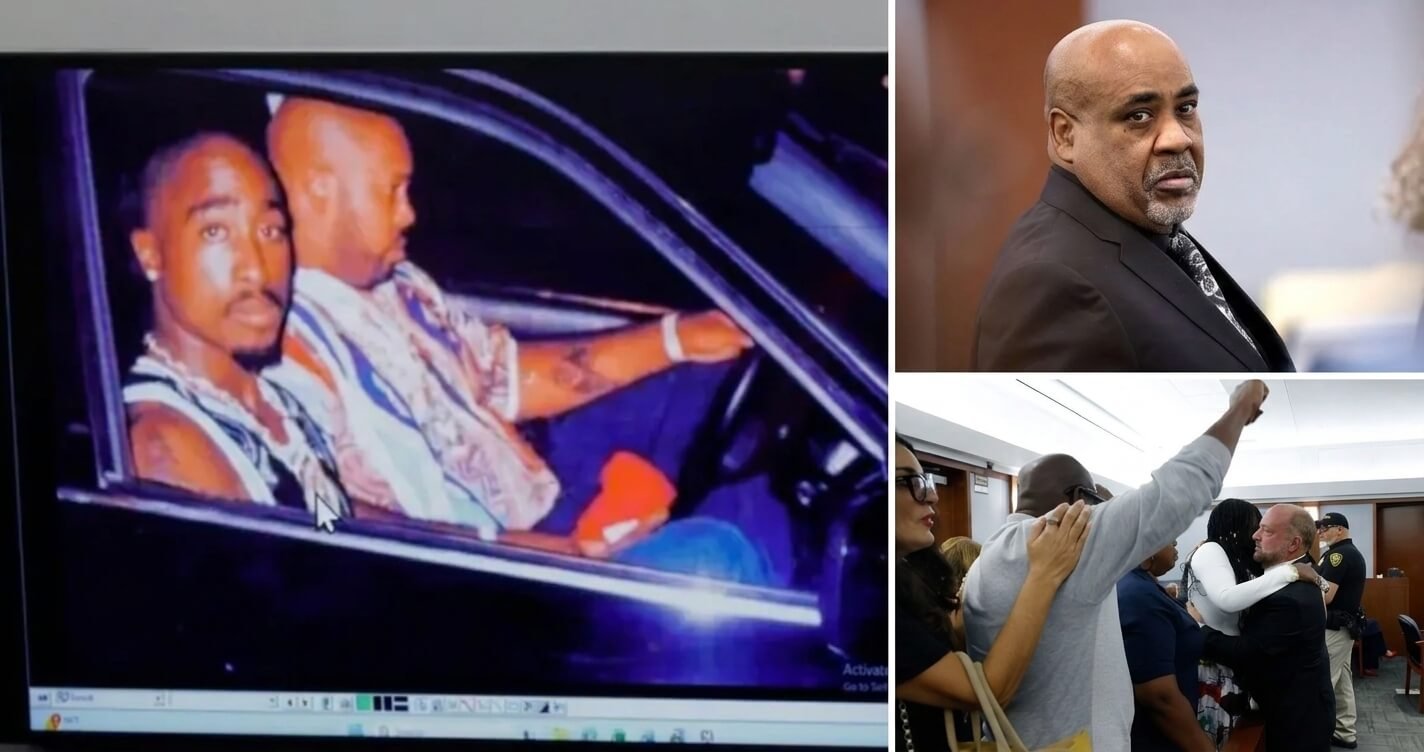
A Las Vegas jury has convicted former gang leader Duane “Keffe D” Davis of orchestrating the 1996 murder of rap icon Tupac Shakur, delivering the first conviction ever secured in a case that has puzzled investigators and fans for almost three decades. Davis, 63, was found guilty of first-degree murder with use of a deadly weapon in connection with the drive-by shooting that killed Shakur in Las Vegas on September 7, 1996.
Davis did not fire the fatal shots himself, but prosecutors successfully argued that he directed the attack and supplied the weapon used in the killing.
WHAT HAPPENED?
Shakur, one of hip-hop’s most influential and commercially successful artists, was 25 years old when he was gunned down at the height of his career. According to reporting cited in coverage of the trial, he has sold more than 75 million records worldwide.
Davis, a former leader of the South Side Compton Crips, was the only person still alive who had been riding in the vehicle from which the fatal shots were fired, and the only individual ever charged in connection with the killing. He was arrested in September 2023 following a police search of his Henderson, Nevada home, and pleaded not guilty that November.
The trial that led to Monday’s verdict lasted nearly two weeks and included testimony from numerous former investigators and law enforcement officials who had worked to solve the case over the years.
Central to the prosecution’s case was Davis’s own account of events. During a 2008 police interview connected to a separate investigation into the killing of rapper Notorious B.I.G. (Christopher Wallace), Davis admitted he had been present in the car during the shooting, though he denied pulling the trigger himself. He later expanded on his account in a 2019 memoir, Compton Street Legend, and in subsequent media interviews and documentaries.
Those public disclosures proved legally significant: they invalidated a prior agreement with authorities that had shielded Davis from criminal charges, allowing prosecutors to use his own statements against him at trial.
WHAT OFFICIALS / SOURCES ARE SAYING
Clark County prosecutors argued that Davis acted as a “shotcaller” for the Compton-based gang and sought retaliation after Shakur was involved in an altercation with Davis’s nephew, Orlando Anderson, whom prosecutors say fired the fatal shots.
In closing arguments, Chief Deputy District Attorney Binu Palal urged jurors to hold Davis to his own repeated public claims of involvement, noting that Davis had effectively admitted responsibility through his memoir, podcast appearances, documentaries and the 2008 police interview.
Reporting from the courtroom described Shakur’s family reacting emotionally as the verdict was announced, with relatives embracing and, according to one account, his sister crying and reaching toward someone seated behind her.
Davis, dressed in black, showed little visible reaction as the verdict was delivered and indicated through his defense that he intends to appeal.
KEY FACTS
- Location: Las Vegas, Nevada
- Date of the murder: September 7, 1996
- Date of conviction: Verdict delivered Monday (local reporting)
- Defendant: Duane “Keffe D” Davis, 63, former leader of the South Side Compton Crips
- Charge: First-degree murder with use of a deadly weapon
- Sentencing date: Davis is due to be sentenced on October 13, and faces a potential life sentence
- Alleged shooter: Davis’s nephew, Orlando Anderson, according to prosecutors
- Custody status: Davis has been ordered to remain in jail pending sentencing
WHY THIS MATTERS
The verdict closes a significant chapter in one of the most notorious unsolved cases in American music history. Shakur’s killing has long been tied to the broader East Coast–West Coast rap rivalry of the 1990s and gang tensions between the Bloods and Crips that ran through parts of the hip-hop industry at the time.
For the music industry and Shakur’s fanbase, the conviction offers a rare sense of resolution to a mystery that has fueled documentaries, books, podcasts and years of public speculation. It also marks a notable moment for law enforcement, demonstrating how cold cases can eventually be revived using a suspect’s own public statements as evidence.
BACKGROUND
Shakur was shot while riding in a car on the Las Vegas Strip on September 7, 1996, and died from his injuries days later. For years, no one was charged despite widespread belief within law enforcement and the hip-hop community about who was involved.
Davis’s own admissions, made initially under a limited-use agreement with police investigating Notorious B.I.G.’s unrelated murder, became public over time through his book and media appearances. Because those disclosures went beyond what had been protected under his earlier arrangement with authorities, courts ruled prosecutors could use his statements against him, paving the way for his 2023 arrest and subsequent trial.
WHAT HAPPENS NEXT?
Davis is scheduled to be sentenced on October 13, when he faces the possibility of a life sentence. His legal team has indicated plans to appeal the conviction, meaning the case may continue through the courts even after sentencing.
LATEST UPDATE
The case remains active as Davis’s sentencing approaches. His attorneys have signaled an appeal is likely, so further legal developments are expected in the weeks ahead.