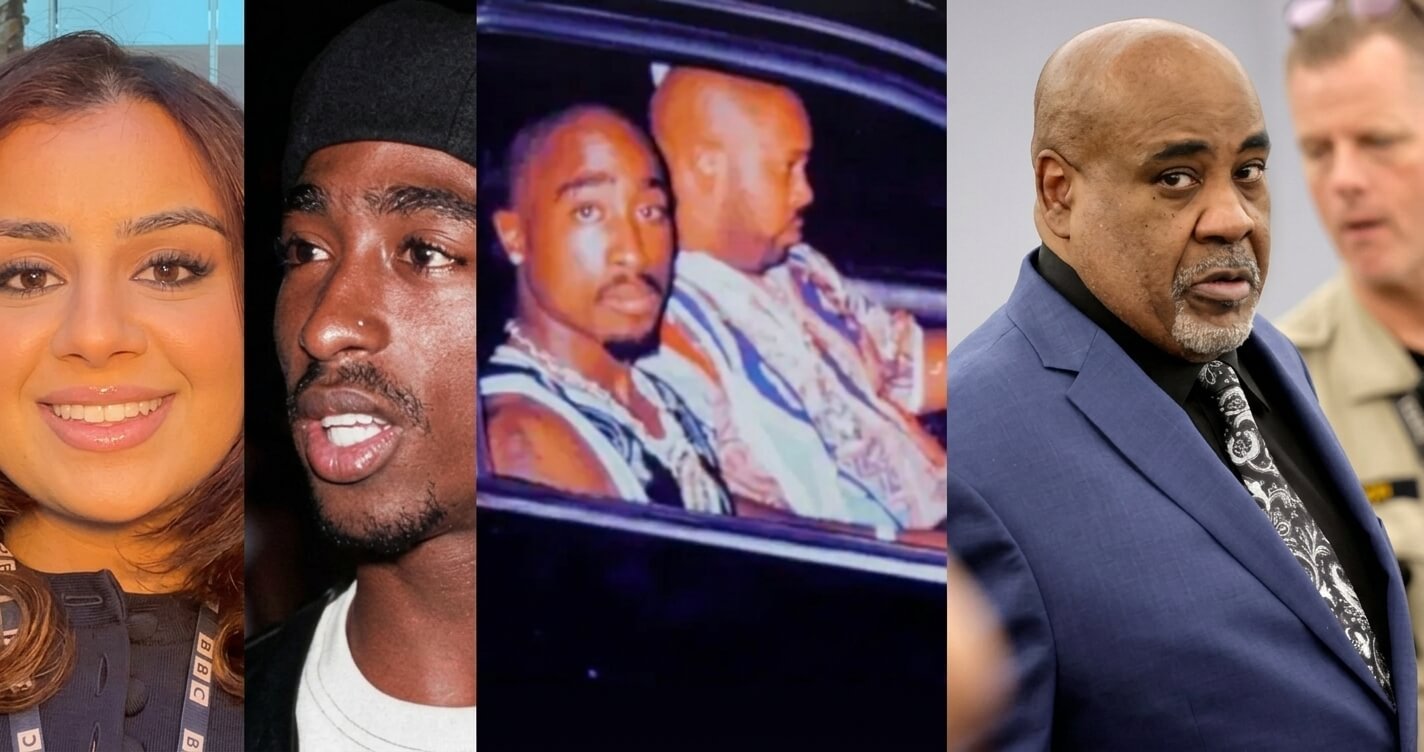

A Las Vegas jury convicted the 63-year-old former gang figure of first-degree murder, delivering the first conviction in the rapper’s nearly 30-year-old unsolved killing.
A Las Vegas jury has found Duane “Keffe D” Davis guilty of first-degree murder for orchestrating the 1996 killing of hip-hop icon Tupac Shakur. The verdict, delivered on Monday after less than three hours of deliberation, marks the first conviction in a case that had remained unsolved for nearly three decades.
Davis, 63, a former leader of the South Side Compton Crips, was accused of masterminding the drive-by shooting that killed Shakur near the Las Vegas Strip on September 7, 1996. He did not fire the shots himself but was convicted under Nevada law, which allows a person who assists in a murder to be held criminally responsible.
WHAT HAPPENED?
Shakur, then 25 years old, was shot while riding in a car after attending a boxing match in Las Vegas. He died from his injuries days later. For nearly 27 years, no one was charged in connection with his death, even as Davis himself began publicly describing his role in the killing in interviews, a memoir and a 2019 tell-all account.
Davis was arrested in September 2023 and indicted on a charge of murder with a deadly weapon with the intent to promote, further or assist a criminal gang. He pleaded not guilty at his arraignment that November and was held without bail while the case moved toward trial.
The trial itself ran for nearly two weeks, with jurors hearing from roughly two dozen prosecution witnesses, including former investigators and law enforcement officers, along with a small number of defense witnesses. Much of the prosecution’s case rested on Davis’s own past statements about the shooting, including police interviews and a memo he wrote years earlier.
Prosecutors told jurors that Davis obtained a firearm and provided it to someone riding in the back seat of a Cadillac, from which shots were fired at the car carrying Shakur and Death Row Records co-founder Marion “Suge” Knight, who was wounded in the attack. The state argued the shooting was retaliation after Shakur and members of his entourage assaulted Davis’s nephew, Orlando “Baby Lane” Anderson, in a casino lobby earlier that night.
Jurors deliberated for less than three hours before returning a unanimous guilty verdict. Davis stood beside his attorney as the decision was read and later sat with his hands clasped on the table as jurors were individually polled to confirm the verdict.
WHAT OFFICIALS / SOURCES ARE SAYING
Prosecutors argued during closing statements that Davis had effectively “went hunting” for Shakur and Knight on the night of the shooting, framing him as the shot-caller behind the attack, according to reporting from CBS News.
Defense attorney Michael Sanft pushed back on the state’s case, telling jurors that prosecutors were relying largely on Davis’s own alleged confessions and that there was little independent evidence to support them. He urged jurors to return a not-guilty verdict, calling it the only outcome that made sense given the gap of three decades between the killing and the charges.
Following the verdict, prosecutors indicated that a related gang-enhancement component of the charge would be dismissed for logistical reasons involving witnesses, according to CBS News.
The Associated Press reported that Shakur’s sister, Sekyiwa “Set” Shakur, cried in the courtroom as the verdict was announced, while Davis’s son covered his face with his hand.
KEY FACTS
- Location: Las Vegas, Nevada (shooting occurred near the Las Vegas Strip)
- Date of shooting: September 7, 1996
- Date of verdict: Monday, August 31, 2026
- Defendant: Duane “Keffe D” Davis, 63, former South Side Compton Crips figure
- Charge: First-degree murder with a deadly weapon with intent to promote, further or assist a criminal gang
- Verdict: Guilty, reached unanimously after under three hours of deliberation
- Sentencing date: October 13, 2026, before District Judge Carli Kierny
- Possible sentence: Life in prison
- Defendant’s status: Ordered to remain in custody; has indicated intent to appeal
WHY THIS MATTERS
The verdict closes out one of the most enduring mysteries in American music history. Tupac Shakur is widely regarded as one of the most influential rappers of all time, with five No. 1 albums, six Grammy nominations, and a 2017 induction into the Rock & Roll Hall of Fame. His unsolved murder has fueled decades of speculation, documentaries and conspiracy theories within hip-hop culture and beyond.
For the Shakur family, the conviction represents a measure of legal closure after nearly 30 years without accountability for his death. For the broader true-crime and entertainment communities, the case’s resolution ends a rare instance of a defendant’s own public statements eventually becoming the basis for prosecution.
BACKGROUND
Shakur’s killing has long been linked by investigators and commentators to a broader rivalry between East Coast and West Coast factions of the hip-hop industry during the mid-1990s, a period that also saw the unsolved murder of rapper The Notorious B.I.G. six months later. Prosecutors have said the Las Vegas shooting stemmed from tensions between gang associates on the West Coast, including Davis, amid this wider “gangsta rap” rivalry.
Davis was long known publicly as someone with firsthand knowledge of the shooting, having ridden in the car from which the fatal shots were fired. He avoided prosecution for years, even as he described his involvement in interviews and a memoir. Investigators renewed their focus on him after a July 2023 search of a Henderson, Nevada home, which led to his arrest that September.
WHAT HAPPENS NEXT?
Davis is scheduled to be sentenced on October 13, 2026, and faces a possible life sentence. He has indicated he intends to appeal the conviction. Further court proceedings related to sentencing and any appeal are expected in the coming months.
LATEST UPDATE
The situation remains ongoing. Davis remains in custody ahead of his October sentencing, and further legal developments — including a possible appeal — are expected as the case moves toward its final resolution.