









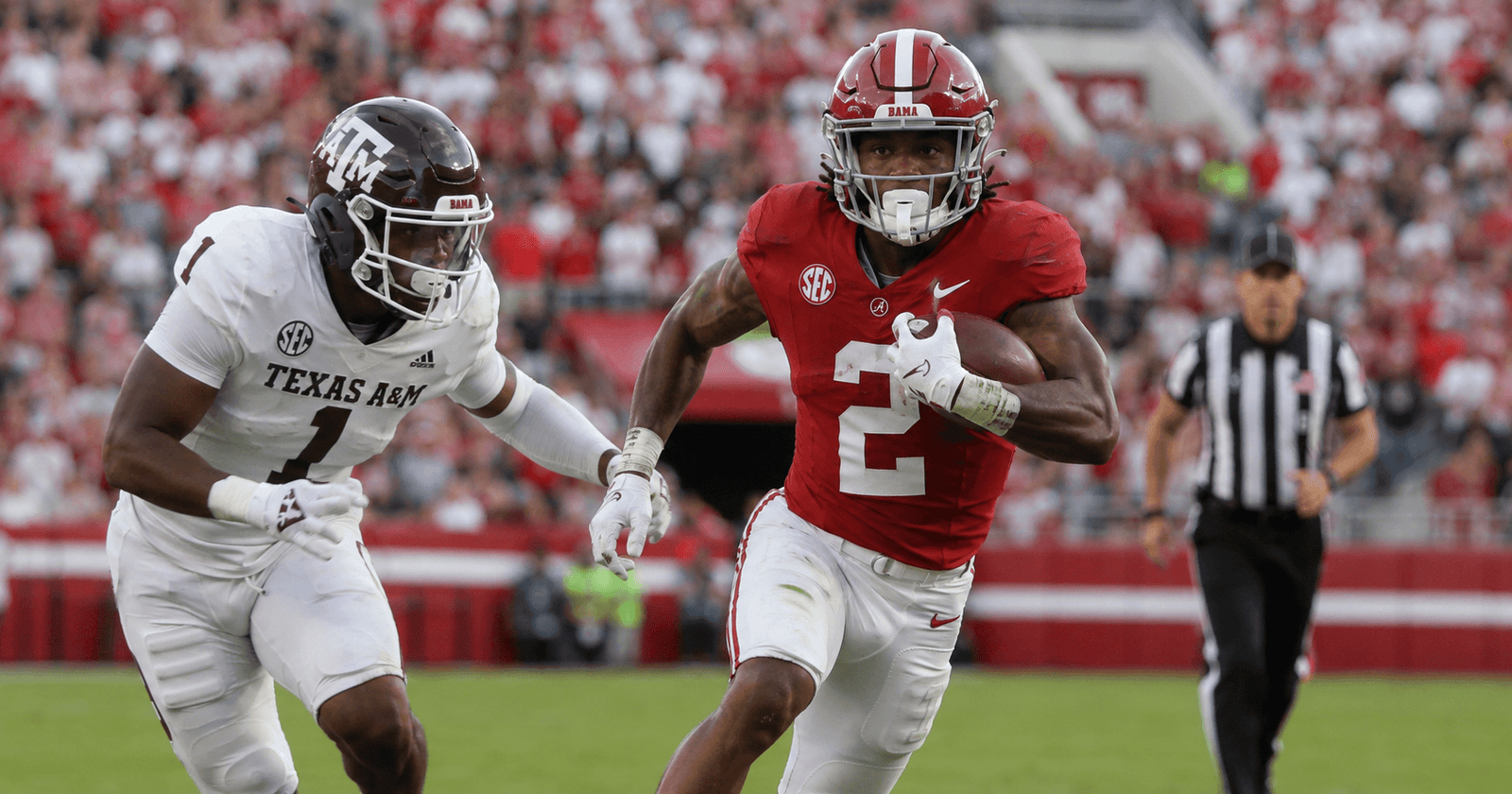
College football occupies a distinctive place in American sports culture, combining regional loyalty, decades-old rivalries, and a competitive structure unlike any professional league. Understanding how conferences, rankings, and the postseason fit together makes weekly coverage far easier to follow.
Conferences: The Backbone of College Football
Unlike professional leagues with a single unified structure, college football is organized around conferences, groups of schools that compete against one another as part of a broader regular-season schedule. Conference realignment has become a significant storyline in recent years, as schools switch conferences in pursuit of better competition, media exposure, and revenue opportunities, reshaping traditional rivalries and regional groupings in the process.
Why Weekly Rankings Matter So Much
Because college football lacks a single unified schedule connecting every team, rankings play an outsized role in determining which programs are viewed as legitimate championship contenders. Weekly poll movement is closely watched, since a team’s ranking can influence everything from national television exposure to its standing in the race for a spot in the postseason playoff.
The Postseason and Playoff System
College football’s postseason structure has evolved significantly, moving toward an expanded playoff format designed to give more teams a legitimate path to a national championship. Coverage of playoff selection typically examines strength of schedule, quality wins, and overall team performance, since selection committees weigh a range of factors beyond just win-loss record when determining playoff participants.
Recruiting and Roster Building
Recruiting high school talent remains central to building a competitive college football program, and coverage of recruiting classes and commitments generates significant offseason attention. In recent years, the growth of name, image, and likeness compensation for college athletes has added a new dimension to recruiting and roster retention, changing how programs compete for and keep top talent.
Rivalries and Regional Traditions
Many of college football’s most-watched games involve long-standing rivalries between schools, often tied to regional identity and decades of shared history. These rivalry games frequently draw significant attention regardless of either team’s ranking in a given season, reflecting how much regional and institutional loyalty shapes fan engagement with the sport.
Why does conference realignment matter so much in college football?
Conference membership affects a team’s competition, media exposure, and revenue, making realignment decisions significant for a program’s long-term competitiveness and traditional rivalries.
How does the playoff selection committee decide which teams qualify?
The committee considers factors including overall record, strength of schedule, and quality of wins, rather than relying on win-loss record alone.
What is name, image, and likeness compensation?
It refers to rules allowing college athletes to earn compensation for endorsements and their personal brand, which has significantly changed recruiting and roster retention dynamics.
Why do rivalry games matter even when neither team is highly ranked?
Rivalry games are often rooted in regional identity and long-standing tradition, drawing significant fan interest independent of either team’s national ranking in a given season.