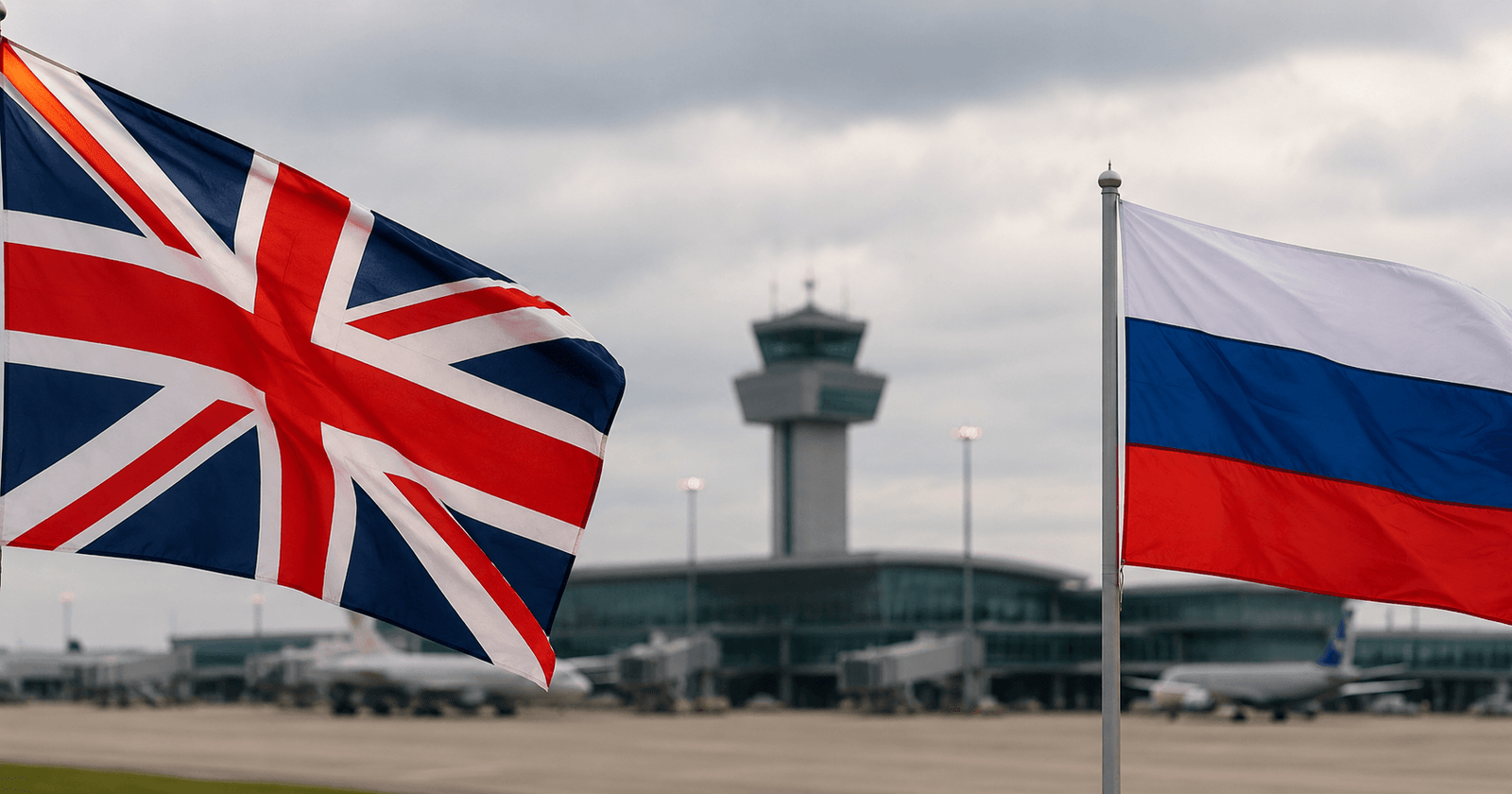

Britain joined a wave of European condemnation of Russia after Germany formally blamed Moscow for a failed explosive drone attack at Leipzig/Halle Airport.
Britain’s Foreign Office summoned Russia’s most senior diplomat in the UK on Thursday to formally condemn a failed drone attack at Leipzig/Halle Airport in Germany, which Berlin has blamed on Moscow. The move follows a wave of similar condemnations from European governments after German authorities concluded that Russia was behind the incident.
The drone, carrying explosives, was discovered near a Ukrainian cargo aircraft at the airport in early August and was defused by a police bomb squad before it could detonate.
WHAT HAPPENED?
German Interior Minister Alexander Dobrindt announced on September 1 that a nearly month-long investigation had concluded Russia was responsible for the drone incident. He said the drone’s configuration, components, explosives and detonator matched patterns previously linked to Russian hybrid operations connected to the war in Ukraine.
In response, Germany ordered the closure of the Russian consulate in Bonn, effective September 18, and announced the closure of the Russian House cultural center in Berlin, along with tighter entry controls for Russian nationals. Germany also raised its national threat level from “general” to “high.”
Britain’s Foreign Office summoned the Russian Charge d’Affaires — the country’s most senior diplomat in London in the absence of a full ambassador — describing the incident as an “egregious and reckless attack,” according to a spokeswoman for Prime Minister Andy Burnham.
Russian President Vladimir Putin rejected the accusations, calling Germany’s response a “grave mistake” and accusing Berlin of fabricating evidence to distract from domestic political troubles. Russia’s foreign ministry said it would “mirror” Germany’s actions, in line with its long-standing practice of matching diplomatic expulsions.
WHAT OFFICIALS / SOURCES ARE SAYING
Dobrindt told reporters that “the police investigations, the pattern and intelligence findings prove a Russian responsibility for the attempted attack at Leipzig airport.”
EU foreign policy chief Kaja Kallas said the bloc was facing “state-sponsored terrorism” and warned Europe was dealing with an escalating pattern of hybrid attacks, adding that the EU was preparing further sanctions against Russia.
Polish Foreign Minister Radoslaw Sikorski said, “We do not seek conflict with Russia, but Russia seems to be at hybrid war with us.”
Russia’s ambassador to Berlin dismissed the allegations as a “hastily concocted provocation.”
KEY FACTS
- Incident date: Early August 2026, near a Ukrainian cargo aircraft at Leipzig/Halle Airport, Germany
- German accusation announced: September 1, 2026
- UK response: Russian Charge d’Affaires summoned to the Foreign Office on September 3
- German measures: Closure of Russian consulate in Bonn (effective September 18); closure of Russian House cultural center in Berlin; raised national threat level to “high”
- International reaction: Statements of solidarity from France, Poland, Italy, the UK and Sweden; EU considering further sanctions
WHY THIS MATTERS
The incident adds to a growing pattern of what European officials describe as Russian hybrid warfare targeting infrastructure linked to support for Ukraine. Leipzig/Halle is one of Europe’s largest air-freight hubs and a regular transit point for aircraft carrying military equipment to Ukraine, making the airport a strategically significant target. The coordinated European response signals rising concern that such incidents could escalate tensions between Russia and NATO member states.
BACKGROUND
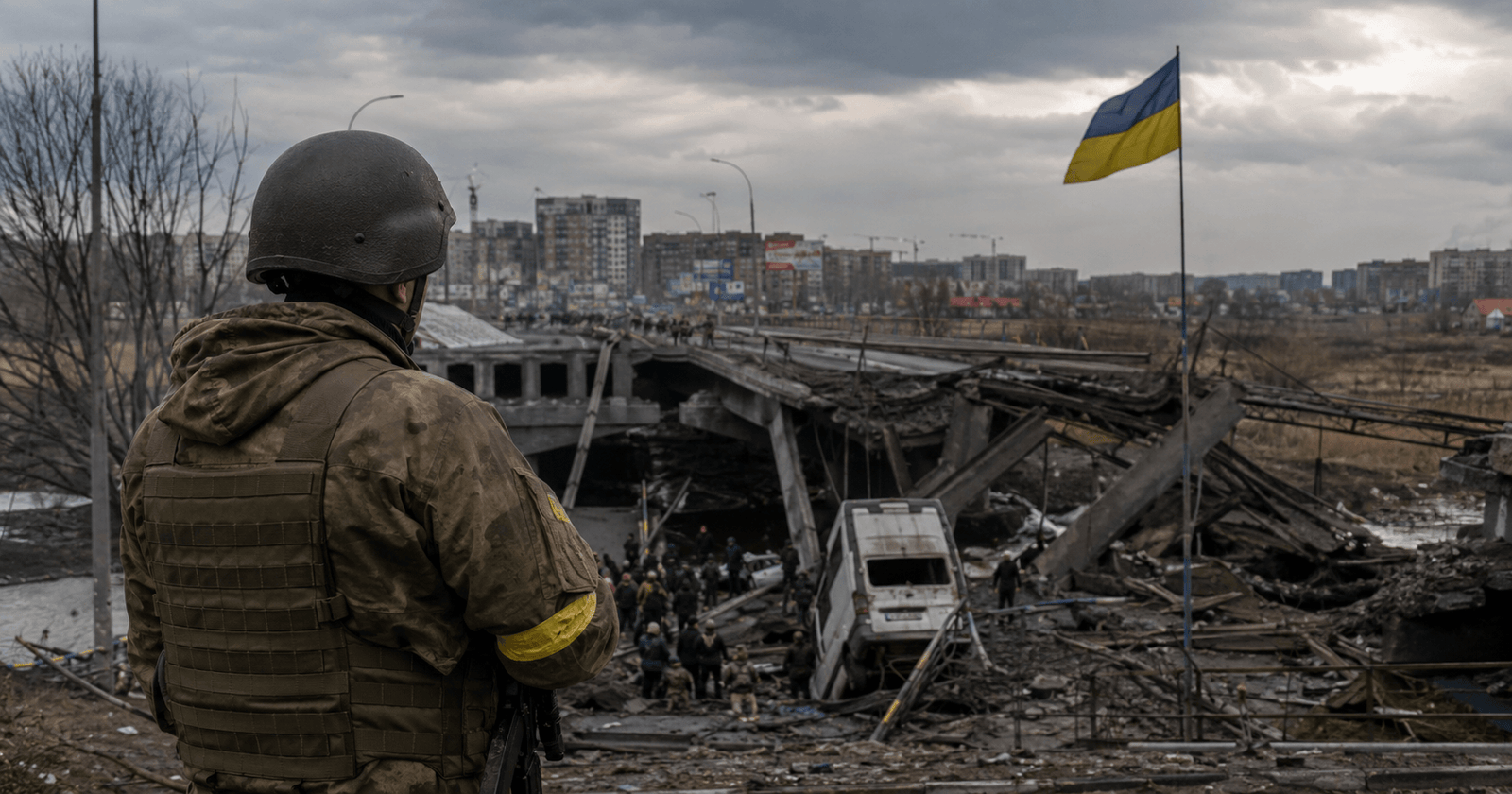
The incident occurred against the backdrop of Russia’s ongoing war in Ukraine, which has continued for more than four years. Western officials have repeatedly accused Moscow of running a broader campaign of sabotage and disruption across Europe aimed at undermining political support for Ukraine. German security officials had previously warned that hybrid attacks targeting the country were becoming a near-daily occurrence.
WHAT HAPPENS NEXT?
The European Commission is expected to consider further sanctions against Russia in the coming weeks. Germany’s closure of the Russian consulate in Bonn is scheduled to take effect on September 18, and further diplomatic measures from other European countries may follow as investigations continue.
LATEST UPDATE
As of September 4, Russia has indicated it will respond to Germany’s measures with reciprocal diplomatic action, in keeping with its established pattern of matching expulsions. Further developments are expected as European governments continue to coordinate their response.