
Lawmakers voted overwhelmingly to extend federal funding through December 11, removing the threat of a shutdown as they head into the final stretch of the midterm election campaign.
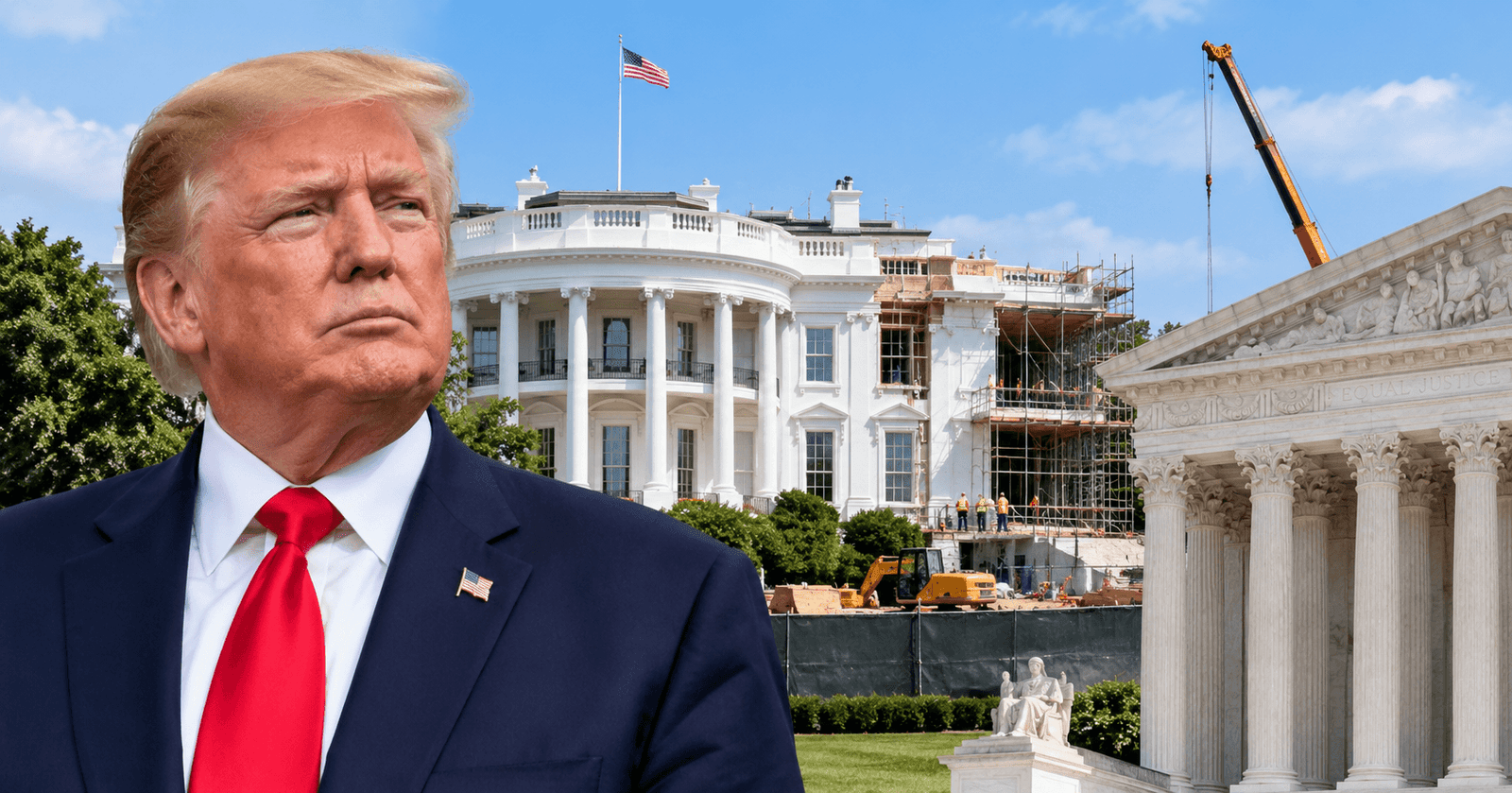
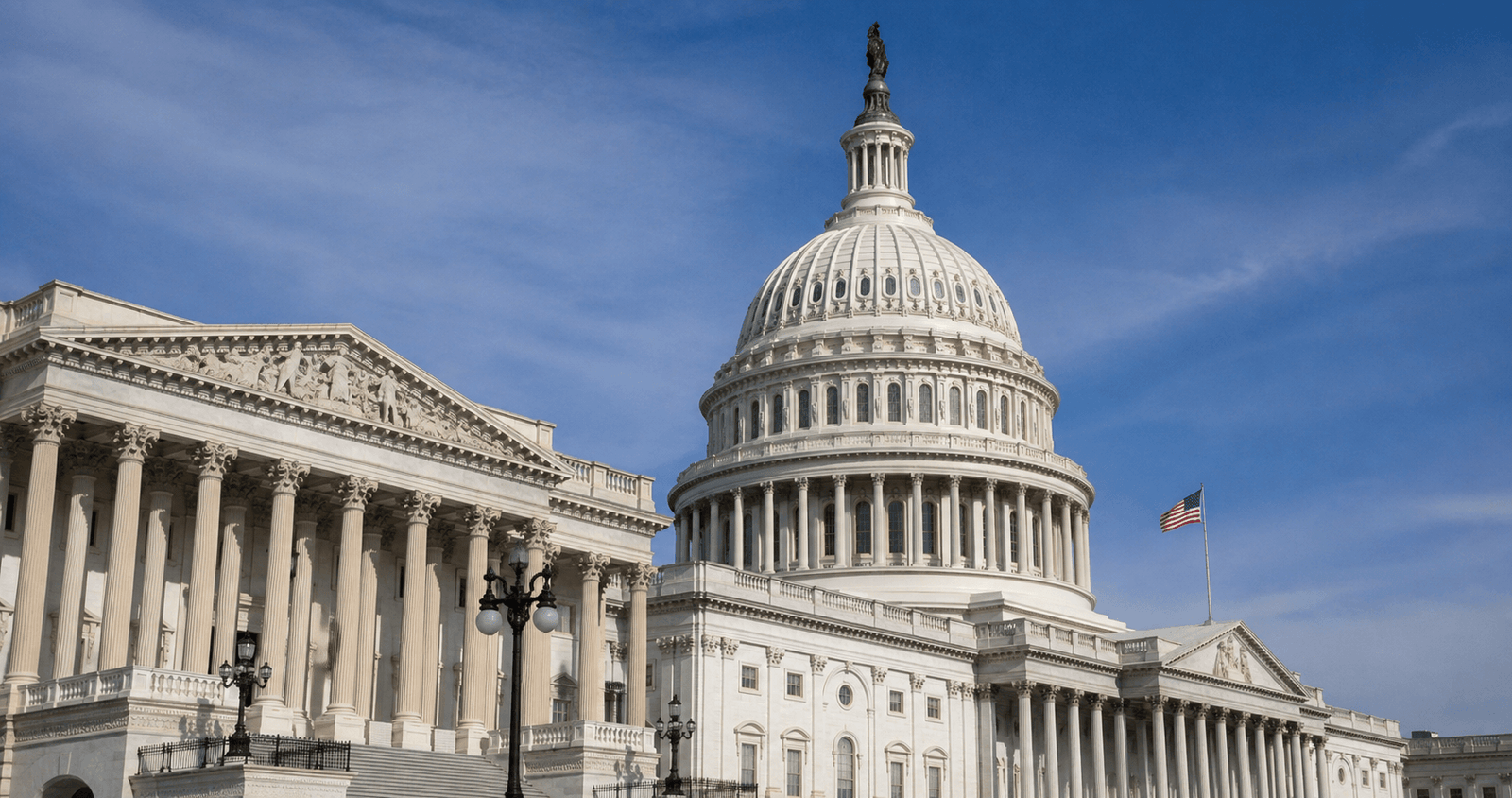
The US House of Representatives has passed a short-term government funding bill, clearing the way to avoid a federal shutdown that had been set to begin when funding expired at the end of September. The measure, approved in Washington on Tuesday by a wide bipartisan margin, keeps federal agencies funded through December 11 and now heads to President Donald Trump for his signature.
The vote takes a major legislative and political risk off the table for lawmakers just weeks before the November midterm elections, which will decide control of both chambers of Congress.
WHAT HAPPENED?
The House approved the continuing resolution by a vote of 370 to 48, with only 19 Republicans and 29 Democrats voting against it. The Senate had already passed the same measure by a wide margin in early August, before lawmakers left Washington for their summer recess.
Without action, existing government funding was due to lapse after September 30, when the new federal fiscal year begins. Under normal circumstances, Congress is supposed to pass twelve separate annual spending bills covering areas such as defense, homeland security, energy and housing. Lawmakers have not finished that full slate of bills for the 2027 fiscal year, so leaders instead turned to a stopgap measure, known as a continuing resolution, that keeps spending largely at current levels while negotiations continue.
The bill’s passage is notable both for its timing, coming weeks ahead of the funding deadline, and for its bipartisan support, a contrast to a Congress that has already seen two lengthy shutdowns over the past year.
WHAT OFFICIALS / SOURCES ARE SAYING
House Appropriations Committee Chair Tom Cole said lawmakers still hope to finish the full set of annual spending bills before the end of the year, though he acknowledged that outcome is uncertain. He pointed to disagreements with Senate Democrats as a key obstacle to finishing that work.
Rep. Rosa DeLauro, the senior Democrat on the House Appropriations Committee, urged her party’s members to support the bill, arguing it represented an improved version compared with an earlier measure that had passed the House largely along party lines.
Lawmakers from both parties have said they were eager to avoid a funding fight coinciding with their campaign travel, since the House is scheduled to be out of session for most of October so members can campaign in their home districts.
KEY FACTS
- Location: Washington, D.C.
- Date: House vote held Tuesday, September 1, 2026
- Vote count: 370 to 48 in the House; the Senate had already passed the measure in early August
- Funding period: Extends government funding through December 11, 2026
- Latest development: The bill now goes to President Trump, who is expected to sign it into law
WHY THIS MATTERS
A government shutdown just weeks before a midterm election would have carried significant political risk for both parties, potentially disrupting federal services, delaying paychecks for service members and federal workers, and dominating campaign coverage. By resolving the funding question early, lawmakers have avoided that scenario, at least temporarily.
The move also matters economically: continued funding avoids disruption to federal agencies and programs at a time when the national debt has already crossed $40 trillion and affordability remains a major concern for voters heading into the election.
BACKGROUND
This Congress has already experienced two of the longest government shutdowns in US history within the past year. One 43-day shutdown was driven by a dispute over expiring health insurance subsidies, while a separate 76-day shutdown affecting the Department of Homeland Security centered on efforts to limit the tactics used by federal immigration enforcement officers. Given that recent history, both parties had strong incentives to avoid a third shutdown fight so close to an election.
WHAT HAPPENS NEXT?
President Trump is expected to sign the funding measure into law before the current funding period lapses. Lawmakers will then return to negotiating the twelve full-year appropriations bills, with the new December 11 deadline setting up another round of spending negotiations after the midterm elections, when the balance of power in Congress will be clearer.
LATEST UPDATE
The bill was sent to the White House following Tuesday’s House vote, and the funding fight is not expected to resurface until closer to the new December deadline, after voters go to the polls in November.
This is a developing policy story and figures may be updated as the bill is signed into law and further budget negotiations proceed.