Why Modi Urged Putin to End the Ukraine War — And Whether Moscow Is Listening

The Indian prime minister renewed his call for peace during talks with the Russian leader in Kyrgyzstan, but Moscow’s response suggests little has changed in its approach to the conflict.
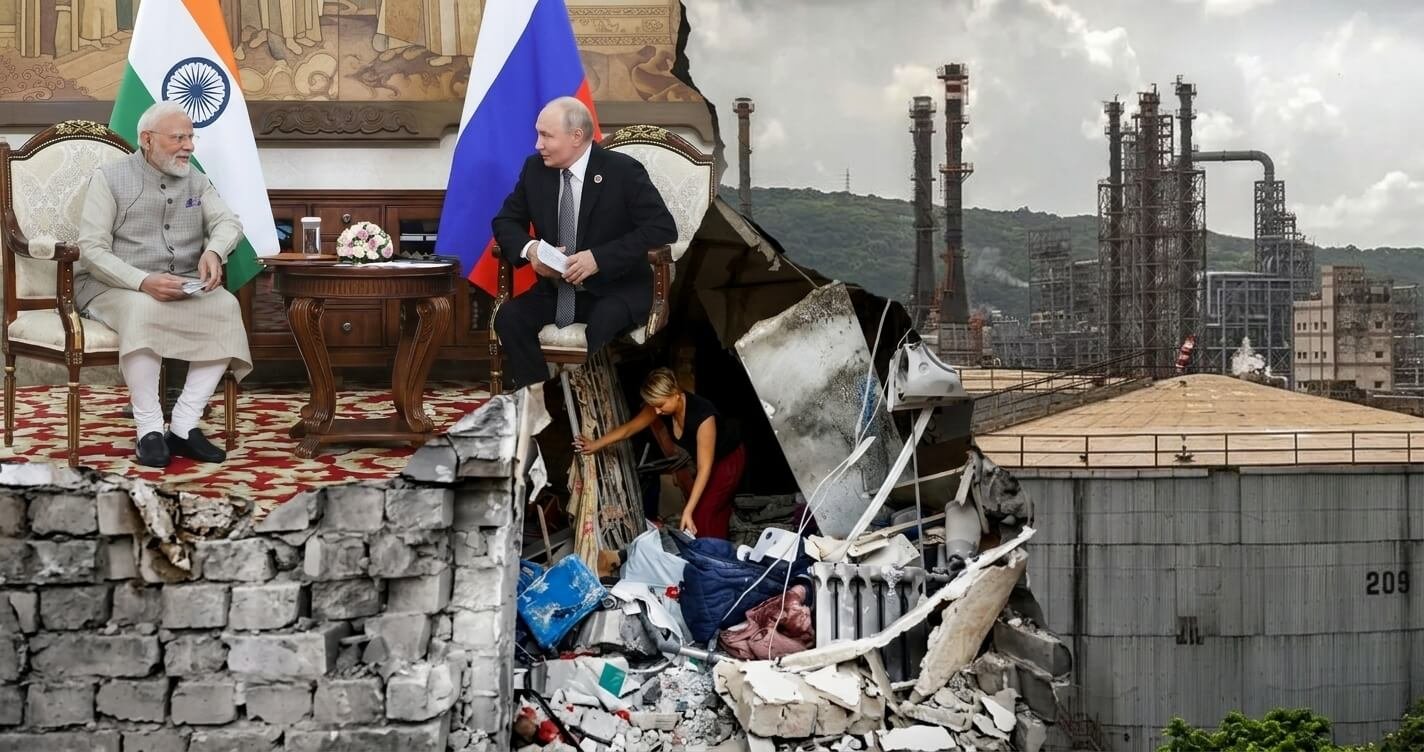
Indian Prime Minister Narendra Modi used a meeting with Russian President Vladimir Putin on Monday to call once again for an end to the war in Ukraine. The two leaders met on the sidelines of the Shanghai Cooperation Organisation (SCO) summit in Bishkek, Kyrgyzstan.
Modi told Putin that continued fighting was setting humanity back, and that steps toward peace offered renewed hope. It was the latest in a series of similar appeals Modi has made to the Russian leader since the full-scale invasion of Ukraine began in 2022.
WHAT HAPPENED?
Modi and Putin held talks at the start of the SCO summit, where Modi addressed the Ukraine conflict directly. He said that every day the war continued represented a setback for humanity, while every step toward peace brought renewed hope, and that the world needed to move from endless conflict toward a genuine end to hostilities.
Modi also referred to India’s broader position, noting that New Delhi has consistently backed peace initiatives related to the conflict and would continue to do so going forward.
Putin’s reply was notably brief. According to state media, he thanked Modi and said Russia was “moving forward along this path,” without offering specifics on how or when the fighting might stop.
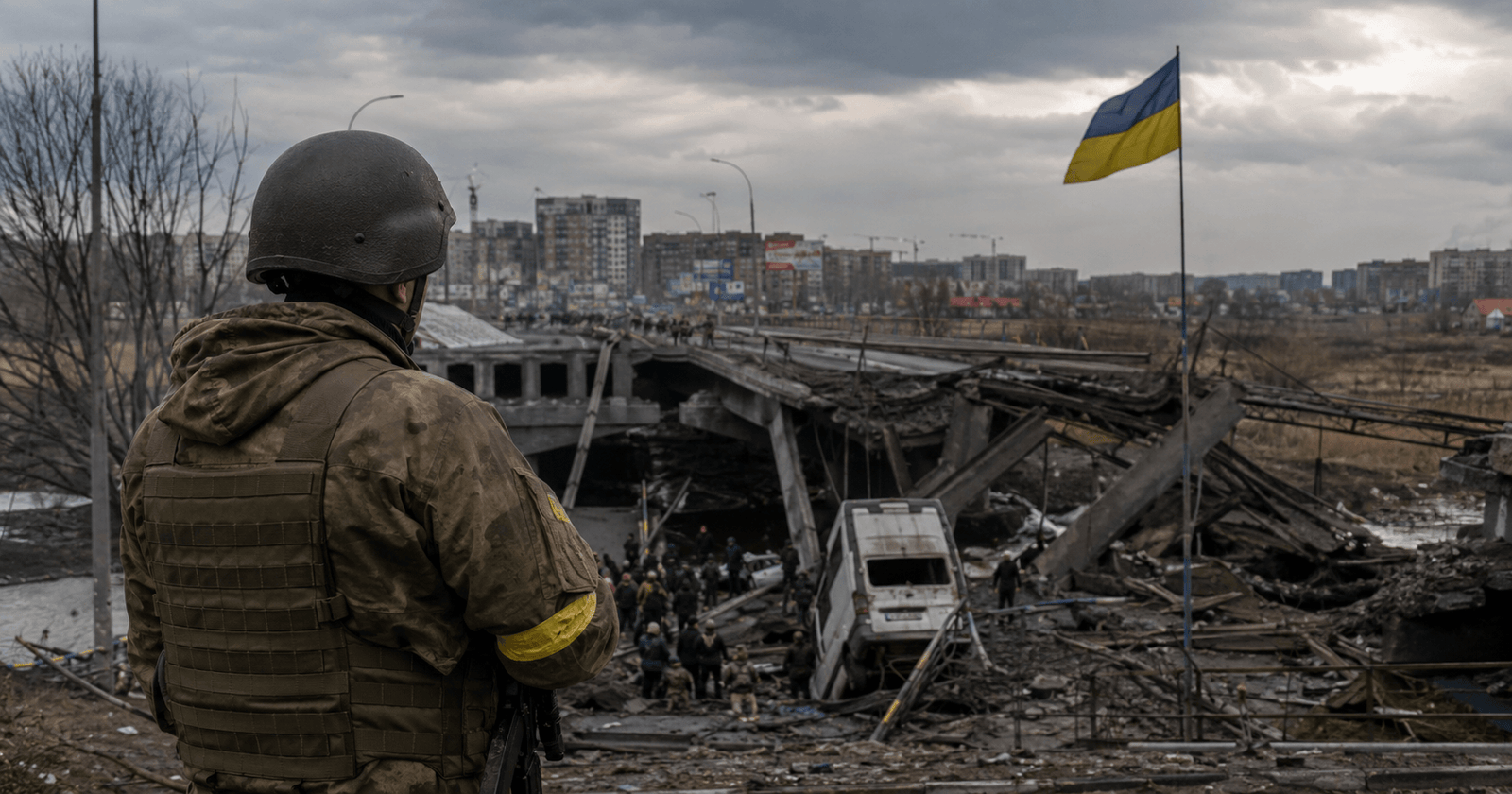
The exchange came as Russia’s defence ministry confirmed plans for further large-scale strikes on Ukraine’s energy infrastructure heading into the autumn and winter months, when Ukraine has previously faced its most difficult periods of the war.
WHAT OFFICIALS / SOURCES ARE SAYING
Modi framed his appeal in humanitarian terms, arguing that the conflict was harming humanity as a whole and that India would keep supporting efforts to reach peace.
Putin’s response, relayed through Russian state media, was polite but non-committal, thanking Modi without addressing the substance of his request.
The Kremlin has previously said that Russia is prepared to end the war only on its own terms, including a Ukrainian withdrawal from Russian-occupied territory, primarily in the Donbas region.
India’s Ministry of External Affairs has separately said that Modi reiterated support for existing initiatives aimed at addressing the conflict and stressed the need to speed up a cessation of hostilities and reach a lasting settlement.
KEY FACTS
- Location: Bishkek, Kyrgyzstan, on the sidelines of the Shanghai Cooperation Organisation summit
- Date: Talks took place on Monday, August 31, 2026
- Key figures: Indian Prime Minister Narendra Modi and Russian President Vladimir Putin
- Modi’s message: Called for a shift from prolonged war to a full cessation of hostilities
- Putin’s response: Thanked Modi and said Russia was “moving forward” on that path, without further detail
- Context: India remains one of the largest buyers of discounted Russian oil since Western sanctions were imposed
WHY THIS MATTERS
Modi’s comments carry weight because of India’s economic relationship with Russia. New Delhi has become one of the top purchasers of Russian crude oil since Western nations curtailed their imports following the 2022 invasion, giving India some degree of leverage — even as it has avoided direct criticism of Moscow.
The appeal also comes amid rising trade pressure from Washington. U.S. lawmakers have been advancing legislation that could impose steep tariffs on countries that continue buying large volumes of Russian oil, a category that includes India and China. That economic backdrop adds a layer of urgency to Modi’s public statements, even though India has stopped short of shifting its broader foreign policy stance on the war.
For Ukraine and its Western allies, the exchange is unlikely to bring immediate relief. Russia has continued to signal plans for renewed strikes on Ukrainian infrastructure as colder weather approaches, suggesting no near-term change in military strategy despite the diplomatic overture.
BACKGROUND
Modi has repeatedly urged restraint since Russia’s invasion of Ukraine began in February 2022. Early in the conflict, he told Putin publicly that the present era was not one for war, a remark that drew international attention at the time as a rare, if mild, rebuke from a close Russian partner.
Despite these periodic appeals, India has maintained a policy of neutrality throughout the war, avoiding formal condemnation of Russia while also engaging with Ukraine and Western partners. This balancing act has allowed India to keep strong ties with Moscow — including continued arms and energy purchases — while positioning itself as a potential voice for de-escalation.
Modi is not the only leader to have made such a public appeal. Roughly five weeks before this latest meeting, Kazakhstan’s president suggested Putin freeze the conflict and return to negotiations, a call that similarly produced no visible shift in Russian policy.
WHAT HAPPENS NEXT?
There is no indication that Modi’s latest appeal will alter Russia’s approach to the war. Putin’s measured, noncommittal response mirrors his reaction to previous international calls for peace, and the Kremlin continues to insist any resolution must come on its own terms.
Russia’s defence ministry has signalled further strikes on Ukrainian energy infrastructure are expected as autumn and winter approach, which officials and analysts have described as likely to pose renewed challenges for Ukraine’s power grid and civilian population.
Meanwhile, trade tensions between the United States and countries purchasing Russian oil — including India — are expected to remain a factor in the weeks ahead as related legislation moves through the U.S. Congress.
LATEST UPDATE
As of Tuesday, the situation remains unchanged: Modi has renewed his call for peace, but Putin has given no firm commitment beyond a general statement of intent. The war in Ukraine continues, and further developments are expected as both diplomatic and military activity continue in the coming weeks.