Nepal Flood Death Toll Nears 1,000 as Rescuers Race to Reach Workers Trapped in Mud-Filled Tunnels

Hundreds of hydropower workers remain unaccounted for at flood-hit tunnel sites along the Trishuli river, as officials in Nepal and China confirm a combined death toll surpassing 1,000.
The combined death toll from last week’s catastrophic flash floods and glacier-triggered landslide in Nepal and China has climbed past 1,000, as rescue teams press on with efforts to reach hundreds of workers believed trapped inside mud-filled hydropower tunnels along the Trishuli river.
Officials say more than 4,000 people remain unaccounted for across both countries nearly a week after the disaster struck on August 26, with hopes fading for many of those still missing.
WHAT HAPPENED?
The disaster began on Wednesday, August 26, when a glacier collapse triggered a landslide and flash flooding along the Nepal-China border, devastating communities and infrastructure downstream on the Trishuli river.
The floodwaters and mud swept through roads, bridges, homes and a cluster of hydropower construction sites, burying several facilities in thick sediment. A major section of the Pasang Lhamu highway was washed away, cutting off Nepal’s Rasuwa district from the neighbouring Nuwakot area, while Nepal’s weather forecasting equipment in Rasuwa was also destroyed.
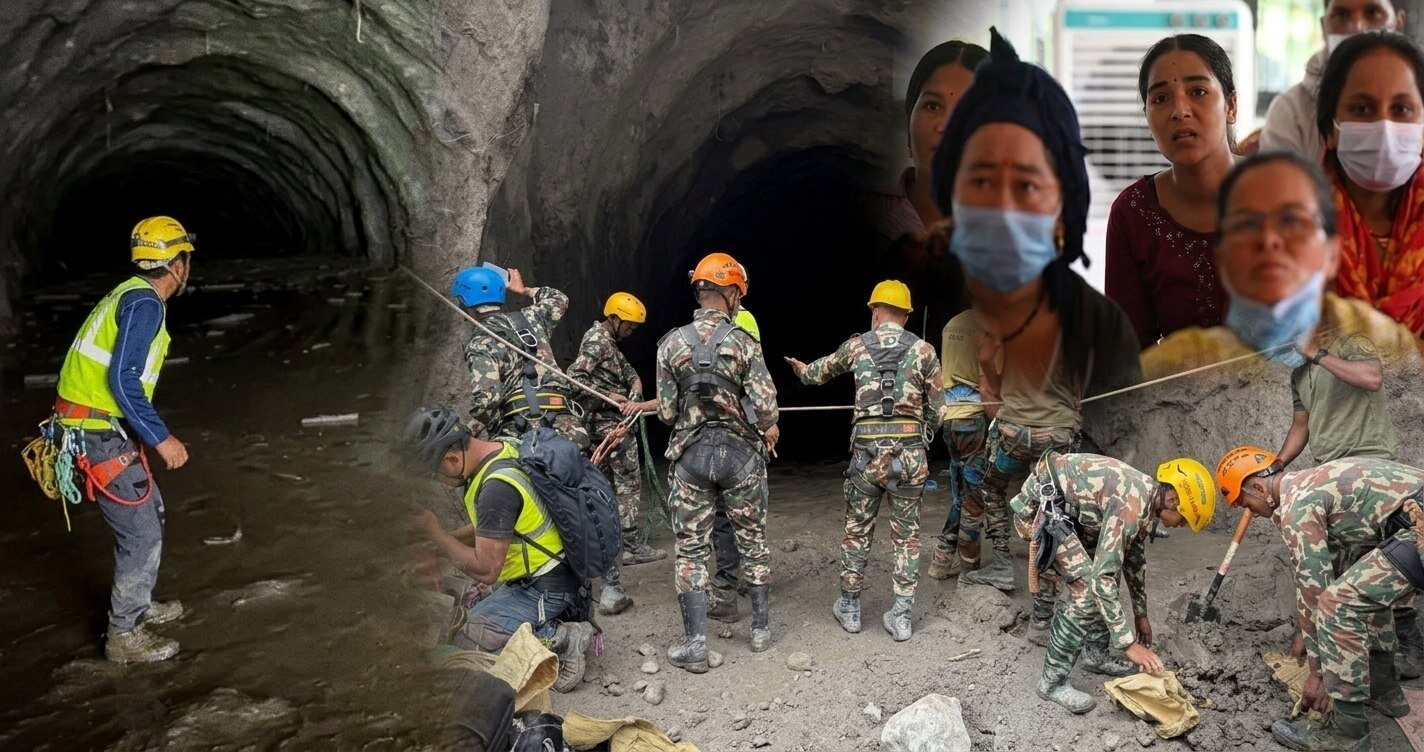
By the following weekend, attention had turned to a dozen hydropower projects in the Rasuwa and Nuwakot districts, where an estimated 900 workers were unaccounted for. Rescue officials believe roughly 500 of them may be trapped inside the massive tunnels that are used to divert water for power generation — structures large enough, according to one geoscientist, to drive trucks through.
At the Trishuli-3 project, crews worked to descend roughly 15 metres into a tunnel in search of survivors, according to Nepal’s army. At the Upper Trishuli-1 site, at least 576 workers were reported missing, with around 300 believed trapped in the project’s tunnel. At the Rasuwagadhi Hydropower Project, 93 people were reported missing, though rescue crews said they had so far found no signs of anyone present.
According to Nepal’s National Disaster Risk Reduction and Management Authority, confirmed deaths in the country had reached 939, with 1,473 people injured and 3,925 still missing. Authorities say the difficult, mountainous terrain — where roads, bridges and communication lines were destroyed — has made an accurate count difficult to compile.
Rescue teams have also reported progress: Nepal’s disaster-response agency said more than 7,500 people had been rescued since the flooding began.
WHAT OFFICIALS / SOURCES ARE SAYING
Nepal’s Minister of Energy, Water Resources and Irrigation, Biraj Bhakta Shrestha, described the effort to reach workers trapped at the Trishuli hydropower sites as the government’s “highest priority,” saying rescue teams were working through hazardous conditions and coordinating additional personnel and equipment.
Mohan Kumar Dangi, president of Nepal’s Independent Power Producers’ Association, said authorities had received varying estimates of how many workers remained trapped, and confirmed that foreign rescue teams were assisting Nepali crews.
Geoscientist Jakob Steiner of the University of Graz said the tunnels were large enough for workers to have taken shelter safely inside, and that rescuers believed they had managed to pump oxygen to some of those trapped.
The BBC reported that rescue teams detonated a controlled explosion in an attempt to reach workers trapped in one of the tunnels, underlining the scale of the debris blocking access.
The U.S. State Department said an estimated 80 to 85 Americans were among those unaccounted for, though a department spokesperson said several had since been evacuated safely and no American deaths had been officially confirmed.
KEY FACTS
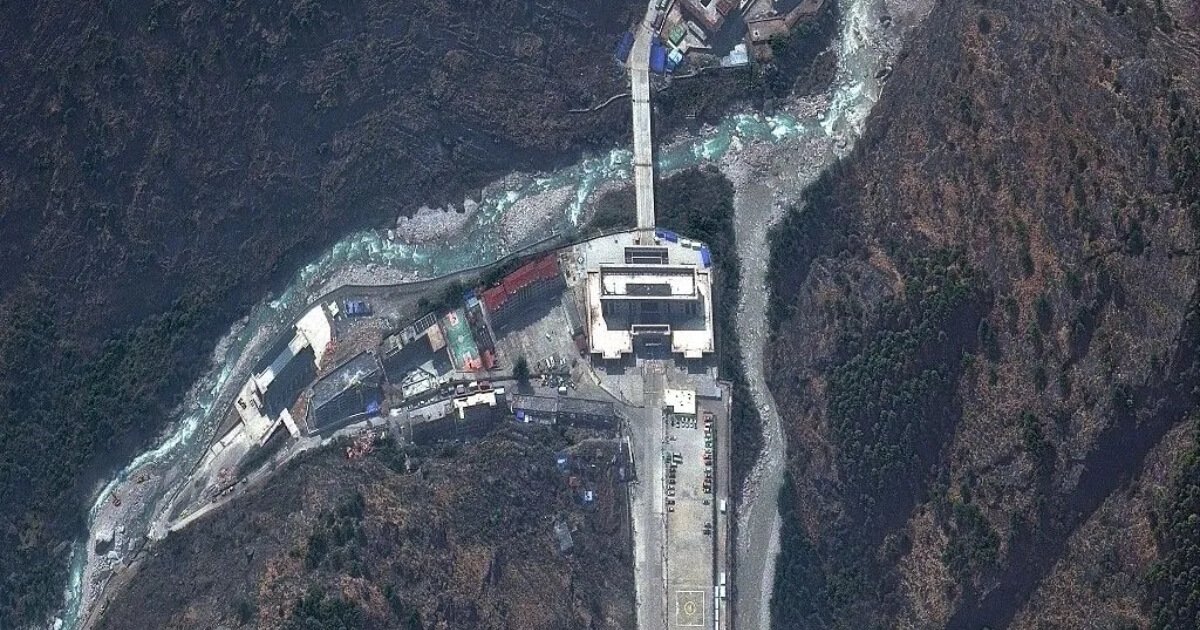
- Location: Rasuwa and Nuwakot districts, Nepal, along the Trishuli river; also affecting the Gyirong Port area on the China side of the border
- Date of disaster: Wednesday, August 26, 2026
- Combined death toll: Surpassed 1,000 across Nepal and China
- Confirmed deaths in Nepal: 939, with 1,473 injured, according to Nepal’s disaster authority
- People missing: More than 4,000 across both countries
- Workers unaccounted for at hydropower sites: About 900, across 12 damaged projects
- Workers believed trapped in tunnels: Roughly 500
- People rescued so far: More than 7,500, according to Nepali authorities
- Latest development: Rescue crews continuing to bore into and clear tunnels at the Trishuli-3A, 3B and Upper Trishuli-1 sites
WHY THIS MATTERS
The disaster represents one of the deadliest flood-related events in the region in recent years, with the death toll continuing to climb as search efforts progress.
The scale of destruction at Nepal’s hydropower facilities also carries economic consequences: officials say the affected plants supply electricity to tens of thousands of people, and workers at damaged stations have said they hope facilities are not rebuilt so close to the river.
The disaster has additionally strained diplomatic and consular resources, given the number of foreign nationals — including dozens of Americans — reported missing, and has prompted international rescue teams to assist Nepali authorities.
BACKGROUND
Nepal’s Himalayan terrain has long made the country vulnerable to glacier-related hazards, flash flooding and landslides, particularly during and after the monsoon season. The Trishuli river basin, where much of the current disaster unfolded, is also home to a concentration of hydropower infrastructure that supplies electricity across the region.
The scale of last week’s glacier collapse and subsequent flooding overwhelmed local infrastructure, destroying roads, bridges and communication networks that would normally support rescue operations, and complicating access to the remote hydropower sites where the worst of the tunnel-related casualties are feared.
WHAT HAPPENS NEXT?
Rescue crews are expected to continue efforts to clear debris and access the remaining tunnels at the Trishuli hydropower sites in the coming days, though officials have acknowledged that the chances of finding survivors are diminishing nearly a week after the disaster.
Authorities in Chitwan district are continuing mass burial operations for unidentified victims at a site in Devghat forest, retaining DNA samples and identification records so families may later confirm the identities of loved ones.
Further updates on the confirmed death toll and missing-persons count are expected as recovery operations continue and communication is restored to the more remote flood-affected areas.
LATEST UPDATE
As of September 1, the combined death toll in Nepal and China has passed 1,000, with more than 4,000 people still missing. The situation remains ongoing, and further details are expected as officials continue search, rescue and recovery operations at the flooded hydropower tunnel sites.