









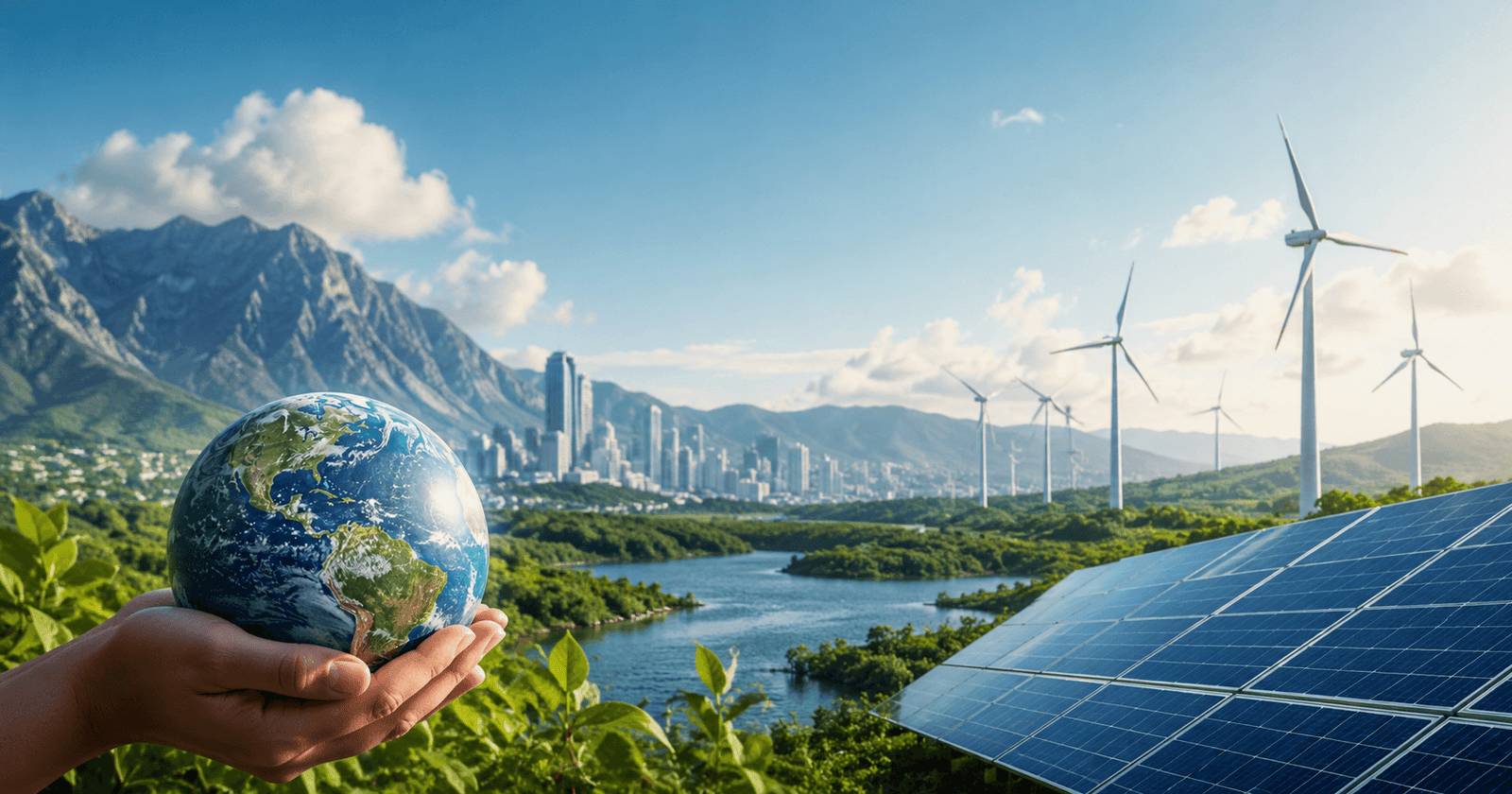
Climate coverage spans a wide range of scientific research, from long-term temperature trends to the technologies being developed in response to environmental change. Understanding how this coverage is organized helps readers separate rigorous scientific findings from the broader policy debates that often accompany them.
Tracking Long-Term Climate Trends
Climate scientists study long-term patterns in temperature, precipitation, and other environmental indicators, distinguishing these broader trends from short-term weather variability. Coverage of climate research typically emphasizes this distinction, explaining how scientists use decades of data to identify meaningful patterns rather than drawing conclusions from any single weather event or season.
Ecosystem and Biodiversity Research
Environmental research increasingly examines how changing conditions affect ecosystems and species populations, from shifting migration patterns to changes in habitat availability. This research often connects to broader conservation efforts, providing scientific context for policy discussions about how to protect vulnerable ecosystems and species facing environmental pressures.
Renewable Energy and Technological Solutions
Coverage of climate science frequently intersects with reporting on renewable energy technology, including advances in solar, wind, and energy storage systems. This research and development coverage tracks both technological progress and the practical challenges of scaling new energy technologies to meaningfully affect broader energy systems.
Climate Adaptation and Resilience Research
Beyond efforts to address the underlying causes of environmental change, significant research focuses on adaptation, studying how communities and infrastructure can become more resilient to changing conditions. This includes research into flood-resistant infrastructure, drought-resistant agriculture, and other practical measures designed to help communities manage environmental challenges.
How Climate Research Connects to Policy Coverage
Climate science often intersects with political and business reporting, since research findings frequently inform policy debates and corporate decision-making around emissions and sustainability. Careful science coverage distinguishes between the underlying research findings, which reflect scientific consensus-building processes, and the separate political debates about how governments and industries should respond to that research.
Frequently Asked Questions
Why do scientists study climate trends over decades rather than individual seasons?
Long-term data helps distinguish meaningful climate patterns from normal short-term weather variability, which can fluctuate significantly from year to year.
How does climate research connect to renewable energy coverage?
Research into environmental change often informs and motivates the development of renewable energy technologies, making the two topics closely connected in ongoing scientific coverage.
What is climate adaptation research?
It focuses on how communities and infrastructure can become more resilient to changing environmental conditions, complementing research aimed at addressing underlying causes.
Why is it important to distinguish scientific research from policy debate?
Scientific findings and policy responses involve different processes, and separating the two helps readers evaluate research on its own merits, independent of political debate over appropriate responses.