
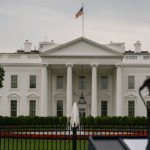

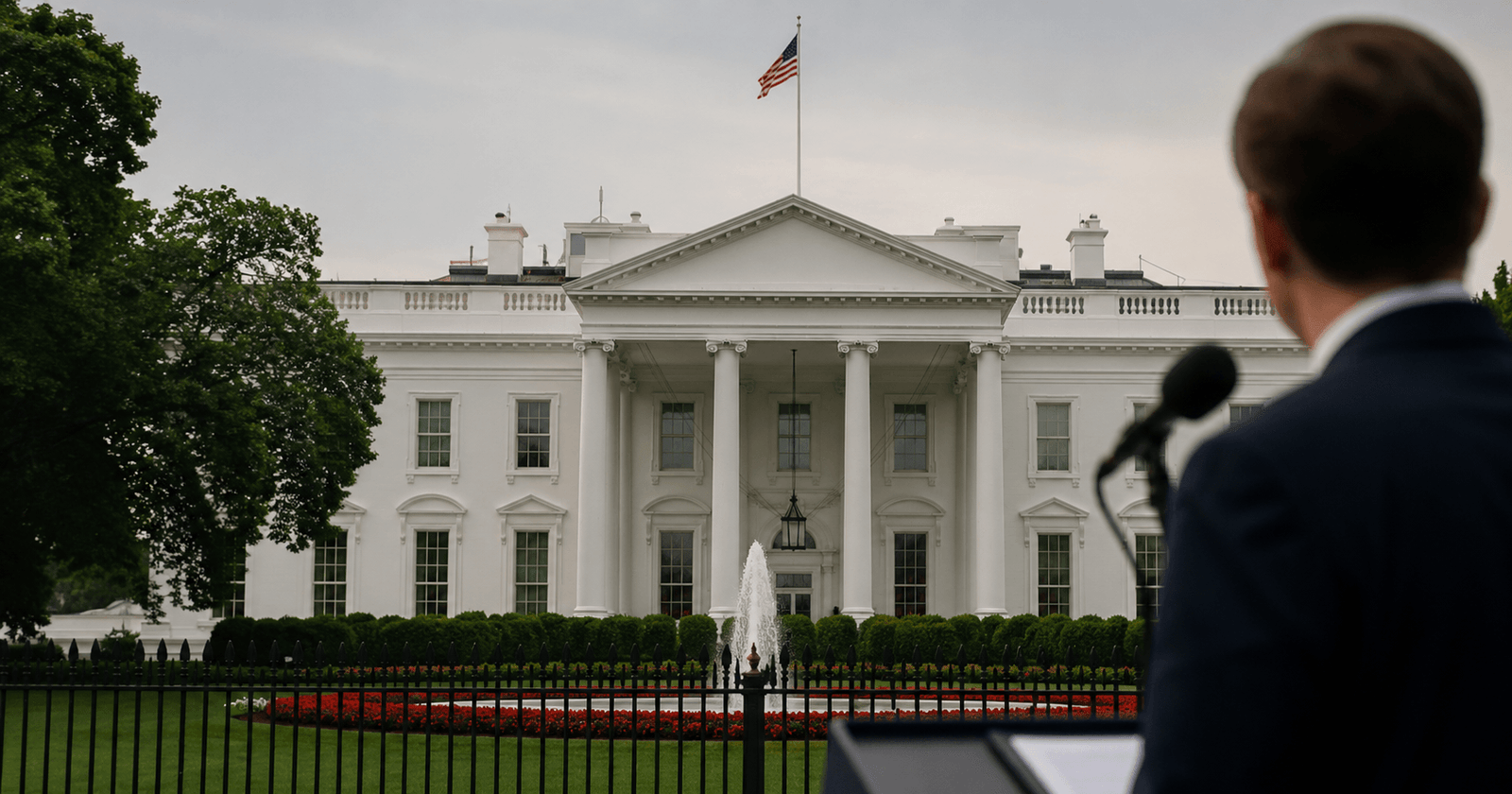
The White House sits at the center of American executive power, serving as both the president’s residence and the operational hub for the administration’s policy agenda. Coverage of the White House goes well beyond the president alone, encompassing a large staff and a network of federal agencies that translate campaign promises and policy priorities into government action.
The President and the Executive Staff
While the president is the most visible figure in executive branch coverage, a large team of advisers, from the chief of staff to policy specialists in areas like the economy and national security, shapes day-to-day decision-making. Coverage of internal White House dynamics, including staff appointments and departures, often signals broader shifts in an administration’s priorities or approach to governing.
Executive Orders and Their Limits
Presidents can act unilaterally through executive orders, which direct federal agencies on how to implement or prioritize existing law. These orders can move quickly and often generate significant news coverage, but they also face real limits, since they can be challenged in court or reversed by a future administration. Coverage typically tracks not just the announcement of a new order, but its legal durability and practical implementation across federal agencies.
The Federal Agencies Behind the Headlines
Much of the executive branch’s actual policy work happens within federal agencies, which write and enforce regulations covering areas from workplace safety to environmental protection. White House coverage often intersects with agency-specific reporting, since presidential priorities are frequently implemented through the regulatory decisions these agencies make rather than through headline-grabbing announcements alone.
Press Briefings and Public Communication
The White House press briefing room serves as a primary venue for official communication between the administration and the public, with press secretaries fielding questions from journalists on behalf of the president. Coverage of these briefings, along with direct presidential statements, provides a window into how an administration frames its own policy decisions and responds to developing news.
How White House Coverage Connects to Other Political News
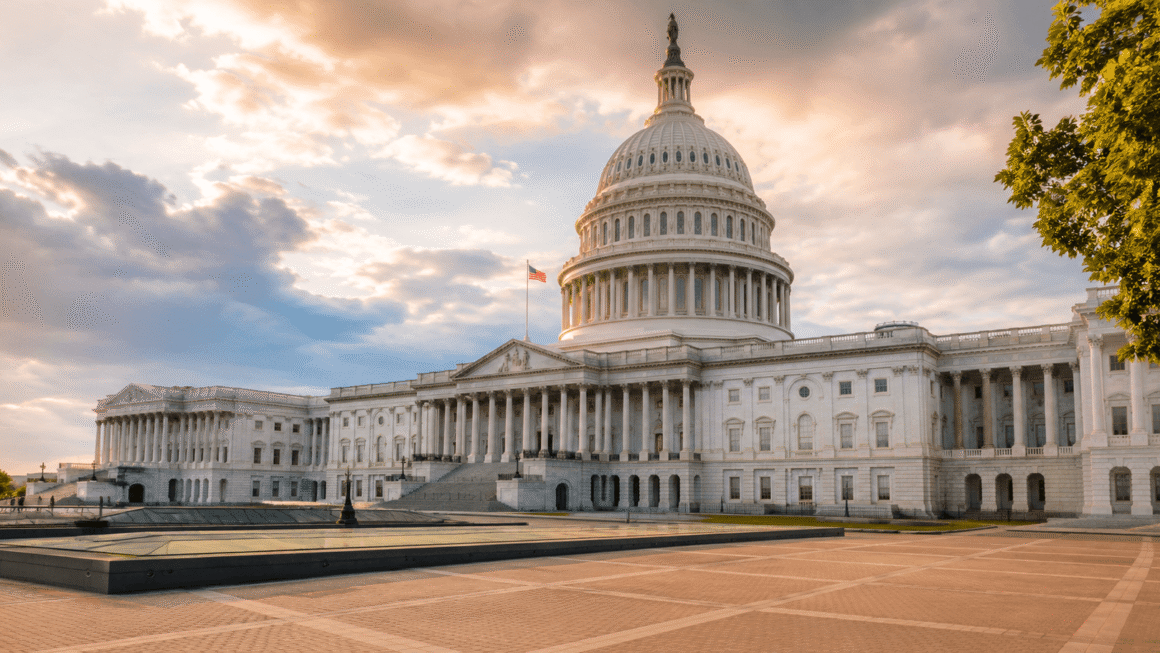
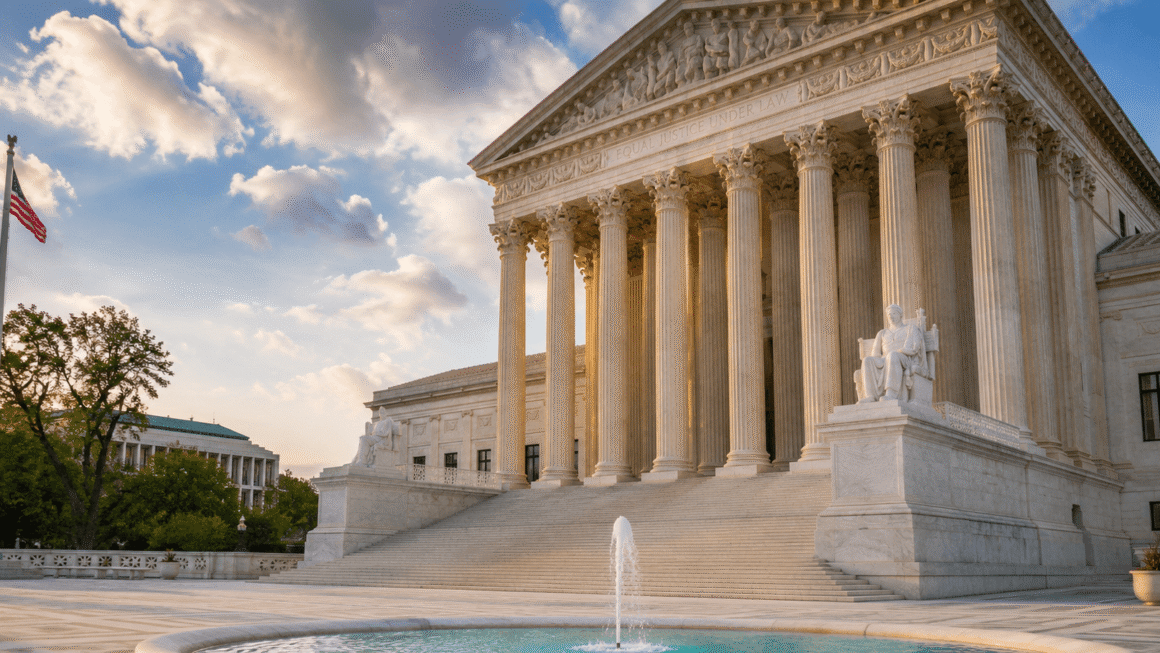
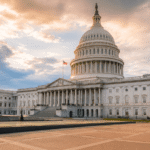
White House news rarely stands alone. It regularly intersects with coverage of Congress, since major policy initiatives typically require legislative action, and with the courts, since executive actions can face legal challenges. Understanding these connections helps readers see White House coverage as part of a broader, interconnected political system rather than an isolated stream of announcements.
What is the difference between an executive order and a law?
An executive order directs how federal agencies implement existing law and does not require congressional approval, while a law must pass both chambers of Congress and generally carries more permanent legal authority.
Why can executive orders be reversed so easily?
Because they rely on presidential authority rather than legislation, a new president can often modify or revoke a predecessor’s executive orders without needing congressional action.
Who runs the day-to-day operations of the White House?
The chief of staff typically oversees daily operations and coordinates the broader executive staff, working closely with the president to manage priorities and decision-making.
Why does agency-level policy matter as much as presidential announcements?
Many policy changes are implemented through detailed agency regulations rather than headline announcements, meaning the practical effect of a policy often depends on how agencies carry it out.