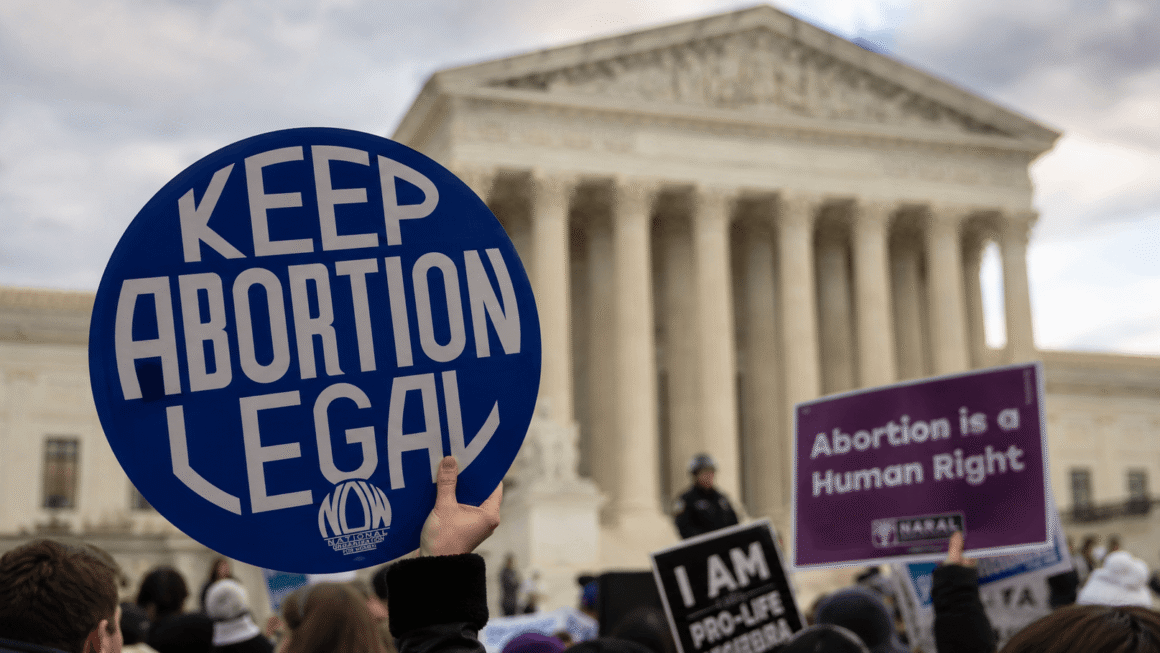




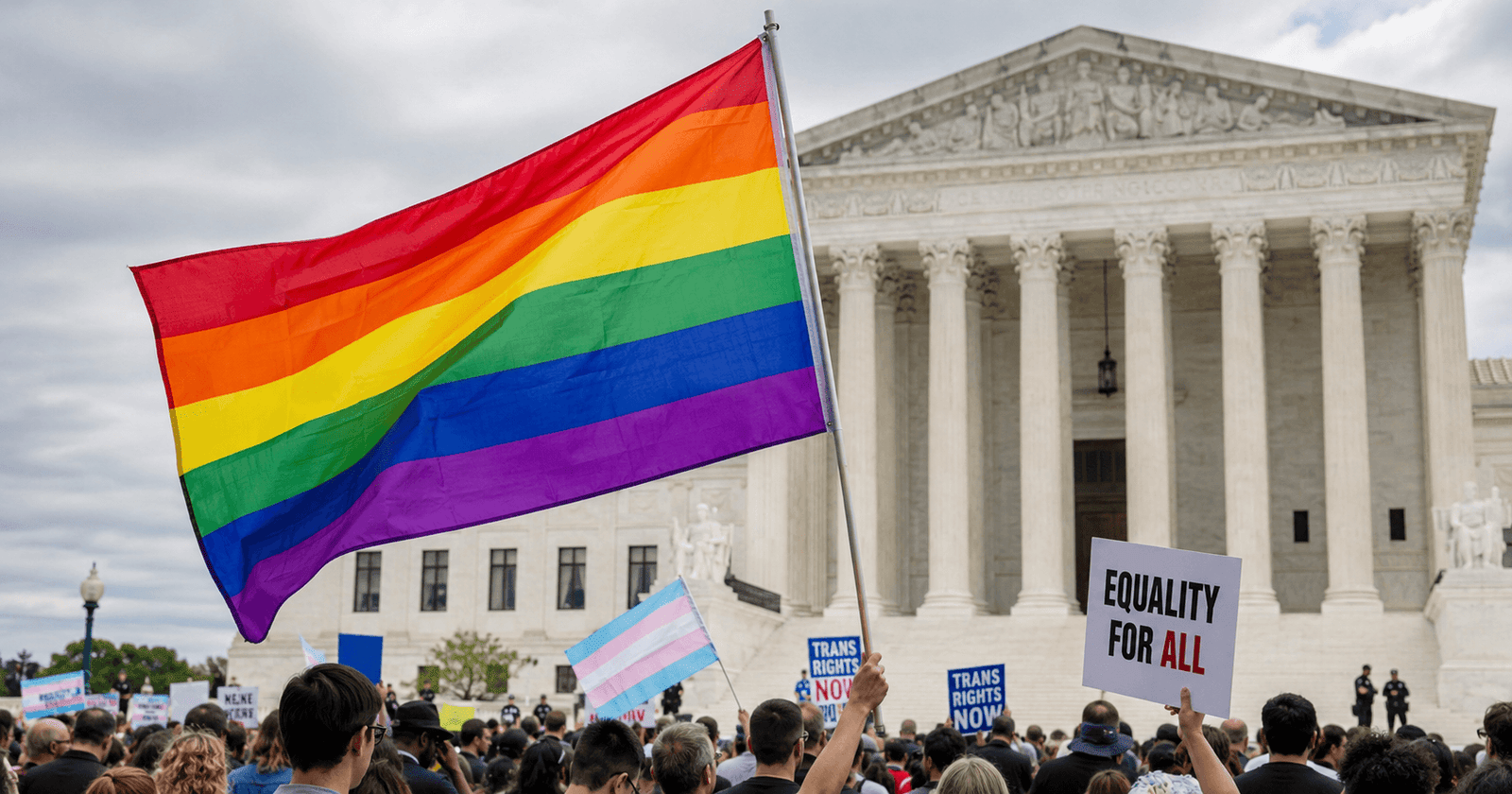
LGBTQ+ rights have been among the most closely watched civil rights topics in the United States over the past two decades, marked by significant legal changes alongside continued political and social debate. Understanding the legal landscape and the recurring themes in this coverage helps readers follow ongoing developments more clearly.
A Rapidly Evolving Legal Landscape
Legal protections and recognitions for LGBTQ+ individuals have changed substantially in recent decades, including major court rulings and legislative changes affecting marriage rights, employment protections, and anti-discrimination laws. Because many of these protections vary by state, coverage in this area often requires distinguishing between federal law, state law, and the practical realities individuals face depending on where they live.
Workplace and Housing Protections
Anti-discrimination protections related to employment, housing, and public accommodations have been a significant focus of both legislative action and litigation. Coverage in this area tracks how courts and lawmakers interpret existing civil rights laws as they apply to sexual orientation and gender identity, since these interpretations directly affect the practical protections available to LGBTQ+ individuals in daily life.
Debates Over Transgender Rights and Policy
Policy debates specifically concerning transgender individuals, including issues related to healthcare access, school policies, and legal identity documents, have become an increasingly prominent and contested part of this coverage. These debates often play out at the state legislative level, with different states adopting significantly different approaches, making this one of the more legally fragmented areas of LGBTQ+ rights coverage.
Public Opinion and Cultural Shifts
Coverage of LGBTQ+ issues often includes polling and research examining shifting public attitudes over time, which can provide useful context for understanding why certain policy debates gain traction at particular moments. Cultural representation in media, business practices around inclusion, and shifts in public visibility for LGBTQ+ individuals are also regularly covered as part of the broader social landscape surrounding these issues.
How to Follow This Coverage With Nuance
Because LGBTQ+ rights coverage spans legal, political, and deeply personal dimensions, careful reporting distinguishes between changes in law, shifts in public opinion, and the lived experiences of LGBTQ+ individuals and families. Readers benefit from following coverage that clearly identifies which level of government or legal system a given development applies to, given how significantly protections and policies can vary by location.
Do LGBTQ+ legal protections vary by state?
Yes, while some protections exist at the federal level, many specific policies, particularly those related to healthcare, education, and identity documents, vary significantly from state to state.
Why has transgender policy become such a significant political topic?
A range of specific policy questions, including healthcare access and school-related rules, has generated substantial legislative activity at the state level in recent years, keeping the topic prominent in political coverage.
How has public opinion on LGBTQ+ issues changed over time?
Long-term polling generally shows shifting attitudes over recent decades, though views can differ significantly depending on the specific issue and the population surveyed.
Why is it important to distinguish federal and state LGBTQ+ policy?
Because protections and restrictions can differ significantly by location, understanding which level of government a policy applies to is essential for accurately understanding its real-world effect.