

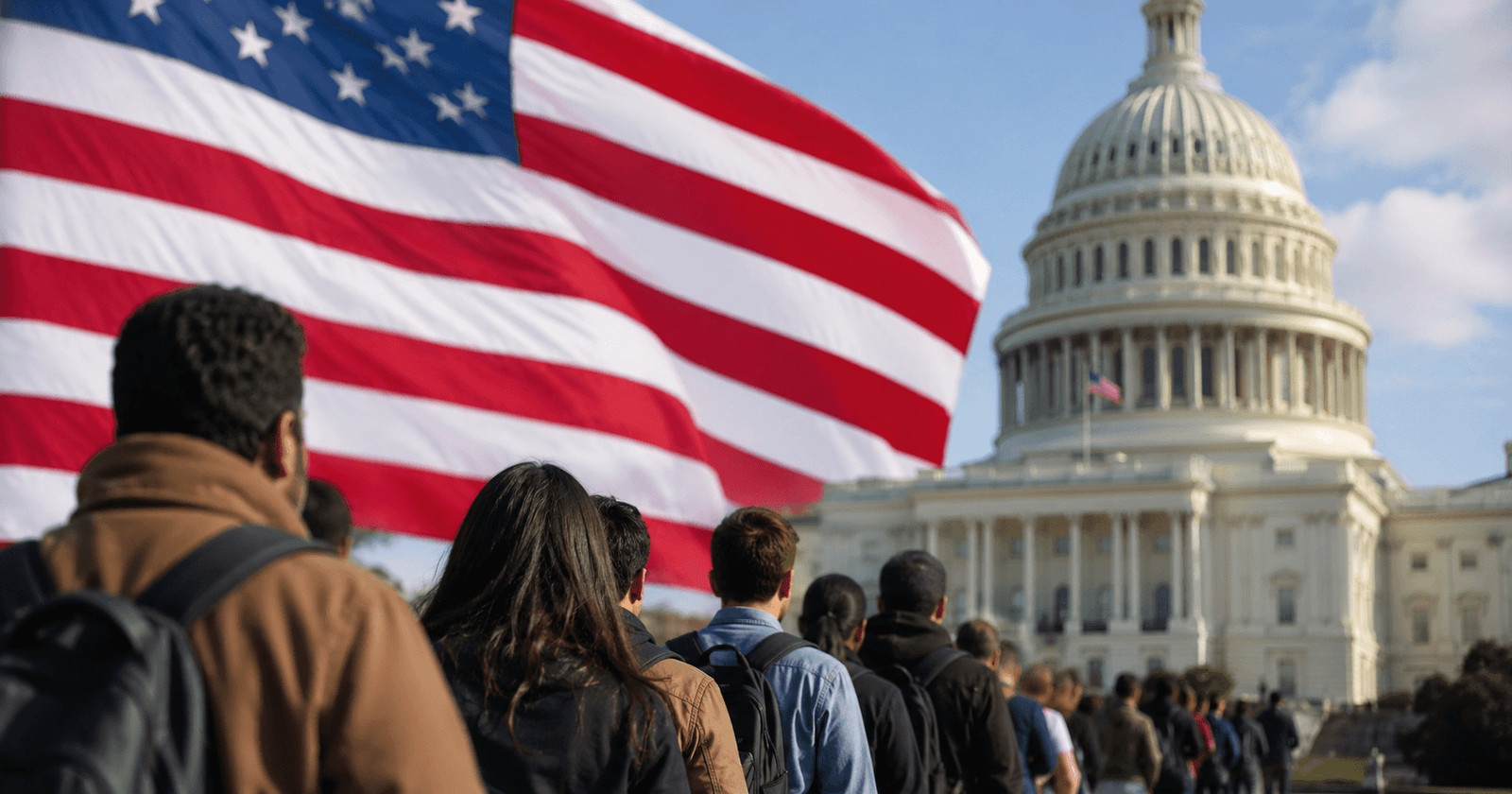

Few issues generate as much sustained political debate in the United States as immigration. From border security to legal pathways to citizenship, immigration policy touches millions of lives and remains one of the most consistently covered domestic stories. Understanding the basic framework behind U.S. immigration policy makes it easier to follow the ongoing debate.
The Building Blocks of U.S. Immigration Law
U.S. immigration policy operates through several distinct systems, including family-based immigration, employment-based visas, refugee and asylum programs, and enforcement at and beyond the border. Each system has its own rules, backlogs, and eligibility requirements, which is why immigration coverage often needs to specify which particular pathway or program a story is actually discussing, since developments in one area do not necessarily affect the others.
Border Security and Enforcement
Coverage of border security tracks policy changes affecting how the government manages entry at official crossings, responds to unauthorized crossings, and enforces immigration law within the country’s interior. This area of policy is often the most politically contested, with debates centering on the balance between enforcement resources, humanitarian considerations, and the practical challenges of managing a long, complex border.
Asylum and Refugee Policy
Asylum seekers and refugees follow a different legal pathway than other immigrants, based on claims of persecution or fear of harm in their home country. Coverage of this area typically follows changes to processing procedures, court rulings affecting asylum eligibility, and the conditions in countries driving people to seek protection elsewhere. Because asylum claims must be evaluated individually, backlogs in processing are a recurring theme in coverage of this system.
Legal Immigration and Visa Programs
Beyond enforcement and asylum, much immigration coverage involves the legal pathways used by millions of people to live and work in the United States, including family sponsorship and employment-based visas. Debates in this area often focus on annual visa caps, processing times, and proposals to adjust the system to better match labor market needs, particularly in industries that rely heavily on immigrant labor.
The Human and Economic Dimensions
Immigration policy affects far more than government statistics. Coverage often includes the personal stories of immigrant families navigating a complex legal system, as well as the broader economic effects of immigration on local labor markets, housing, and public services in communities across the country. Because these effects can vary significantly by region, national policy debates are frequently informed by very localized stories.
What is the difference between asylum and refugee status?
Refugees apply for protection from outside the United States, while asylum seekers request the same protection after arriving in or reaching the country’s border.
Why does immigration policy remain so politically contested?
The issue involves competing priorities around security, economic impact, and humanitarian considerations, which different political coalitions weigh differently, making broad consensus difficult to achieve.
Why do visa backlogs happen?
Annual caps on certain visa categories, combined with high demand, can create years-long waiting periods for some applicants, particularly in family-based and certain employment-based categories.
How does immigration affect local economies?
Effects vary by region and industry, with immigrant labor playing a significant role in certain sectors, while also contributing to broader debates about housing and public service demand in some communities.